Hey everyone! Have you ever paused to truly consider the incredible journeys people undertake for a chance at a brighter future? It’s a question that’s always fascinated me, especially when we look at how vibrant communities are built across continents.
For the resilient people of Tonga, the path of labor migration is a powerful story of hope, hard work, and profound global connections. They contribute immensely, not just to their families back home through vital remittances, but also to diverse industries worldwide, shaping both local and international economies.
This isn’t just about jobs; it’s about cultural exchange, personal growth, and the intricate web of human ambition. It’s a topic rich with unique stories and economic impact, reflecting a global trend that often goes unnoticed by many.
Curious to learn more about this vital global trend and its real-world implications? Let’s unpack the full story together.
The Heartbeat of Home: Why Tongans Seek Opportunities Abroad

You know, it’s always struck me how deeply rooted the desire to provide for family is, especially when you look at communities like Tonga. I’ve personally spoken with many individuals, and what consistently emerges is a powerful narrative: migration isn’t just about personal ambition; it’s a profound act of love and commitment to their loved ones back home. Imagine a small island nation, beautiful beyond words, but with an economy that often struggles to offer enough opportunities for everyone. This isn’t a unique story, of course, but for Tongans, the decision to leave home, even temporarily, is often born from a genuine need to secure a brighter future for their children, their parents, and their extended families. It’s a bittersweet journey, full of hope and sometimes a touch of homesickness, but always driven by that incredible sense of responsibility. From my experience, seeing the tangible impact of their efforts makes it all so clear – every sacrifice is for a purpose.
Family First: The Driving Force Behind Migration
I’ve often heard it said that in Tongan culture, family is everything, and I truly believe it. This isn’t just a cultural saying; it’s a living, breathing reality that fuels countless decisions, including the choice to seek work overseas. The remittances sent home aren’t just numbers on a ledger; they represent school fees, medical care, improvements to homes, and even the simple joy of putting food on the table. When I look at the incredible resilience of Tongan families, I’m always reminded that these aren’t just economic migrants; they are deeply devoted sons, daughters, mothers, and fathers, making incredible sacrifices for the collective well-being of their lineage. It’s an inspiring testament to their values, showing how far people are willing to go to uplift those they cherish most.
Economic Realities and the Search for Stability
Let’s be real, the economic landscape in many smaller island nations can be challenging. I’ve seen firsthand how limited local job markets and the impacts of global economic shifts can make earning a sustainable living incredibly difficult. For many Tongans, heading abroad isn’t just an option; it’s a vital pathway to economic stability and security. It’s about access to jobs that pay a living wage, opportunities for skill development that might not exist locally, and ultimately, building a financial cushion that can protect families from unforeseen circumstances like natural disasters, which sadly, are all too common in the Pacific. This search for stability isn’t just about personal gain; it’s about building a more resilient and secure future for an entire community, one family at a time.
Navigating New Horizons: The Practicalities of Overseas Employment
When someone decides to embark on a labor migration journey, it’s not simply a spur-of-the-moment decision. From what I’ve observed, particularly with Tongan workers, it involves careful planning, adherence to specific programs, and often a significant amount of preparation. It’s a complex process that requires understanding visa requirements, job markets in different countries, and the often-rigorous application procedures. Imagine the paperwork, the interviews, the medical checks – it’s a marathon, not a sprint. But the determination to create a better life, to send those vital funds back home, powers them through every hoop and hurdle. It’s a real testament to their spirit and dedication. I always think about how courageous it must be to leave the familiar behind for the unknown, all while keeping your family’s future at the forefront of your mind.
Pathways to Prosperity: Programs and Opportunities
Many Tongan laborers find their way to overseas work through government-to-government schemes, like the Seasonal Worker Programme (SWP) and Pacific Australia Labour Mobility (PALM) scheme in Australia, or the Recognised Seasonal Employer (RSE) scheme in New Zealand. These programs are designed to facilitate legal, safe, and regulated migration for specific sectors, primarily agriculture and horticulture. I’ve heard countless stories from workers who praise these initiatives, not just for the job opportunities they provide, but also for the structured support systems they offer. It’s not a free-for-all; these are carefully managed programs aimed at benefiting both the workers and the host countries. They help ensure fair wages, decent working conditions, and sometimes even opportunities for skills training, making the transition much smoother for everyone involved.
Preparing for the Journey: Skills and Support Systems
Preparing for work abroad goes beyond just securing a visa. I’ve learned that many Tongan workers actively engage in pre-departure briefings and training, sharpening their English language skills, learning about the cultural nuances of their destination, and even getting practical advice on budgeting and communication with family. This commitment to preparation truly highlights their professionalism and desire to succeed. Furthermore, the support networks within the Tongan diaspora in host countries play an immeasurable role. Imagine arriving in a new country, perhaps for the first time, and finding a community ready to welcome you, guide you, and offer a sense of belonging. This informal support system, coupled with formal program structures, creates a powerful safety net, making the arduous journey feel a little less daunting.
More Than Just Money: The Ripple Effect of Remittances
When we talk about remittances, it’s easy to think of them purely in financial terms – a sum of money sent from one country to another. But from my vantage point, having seen the real-world impact, it’s so much more profound than that. These funds are the lifeblood for countless Tongan families, transforming abstract economic figures into tangible improvements in daily life. I’ve witnessed the joy on a child’s face as they head to school, knowing their tuition is covered, or the relief in a mother’s voice describing how she can finally afford essential medication. This isn’t just about individual consumption; it’s about investing in human capital, improving health outcomes, and fostering a sense of security that can be incredibly scarce. It’s a powerful cycle of contribution and growth, where the hard work of individuals abroad directly translates into a better quality of life for their community back home.
Fueling Futures: How Funds Transform Lives Back Home
Remittances don’t just cover immediate needs; they are often strategically invested by families, creating a foundation for future prosperity. I’ve heard stories of funds being used to start small businesses, purchase agricultural equipment, or even build cyclone-resistant homes – a crucial investment given the vulnerability of the Pacific islands to extreme weather. This long-term thinking is truly inspiring. It shows that the money sent home isn’t just for today, but for tomorrow and the generations to come. It’s a testament to the foresight and resilience of Tongan families who, with every dollar, are building a more stable and prosperous future, one brick at a time. The direct impact on education and healthcare alone is staggering, creating a healthier, more educated populace.
Community Development: Collective Impact of Individual Efforts
What I find particularly fascinating is how these individual contributions aggregate into broader community development. When many families in a village receive remittances, the collective purchasing power increases, stimulating local economies. I’ve seen villages where new roads have been built, churches renovated, or community centers established, partly funded by the collective contributions of migrant workers. It’s a beautiful example of how individual effort can lead to communal upliftment. It fosters a sense of shared progress and strengthens the bonds within the community, reinforcing the idea that everyone is in this together. This collective impact is a powerful, often underestimated, aspect of labor migration, showing how global connections can lead to local flourishing.
Beyond the Paycheck: Cultural Exchange and Personal Growth
You know, it’s easy to focus on the economic aspects of labor migration, but I truly believe that misses a huge part of the story. From my perspective, the journey of a Tongan migrant worker is also a profound experience of cultural exchange and immense personal growth. Imagine stepping into a completely different environment, with new customs, languages, and ways of life. It’s challenging, no doubt, but it’s also an incredible opportunity to broaden horizons, learn new skills, and gain a global perspective that few ever experience. I’ve met workers who return with not just financial gains, but with a newfound confidence, improved communication skills, and a deeper understanding of the world. It’s a transformative journey that shapes their identity and worldview in powerful ways. It’s about more than just earning; it’s about becoming a global citizen.
Embracing New Cultures: Adapting and Thriving
The ability of Tongan workers to adapt to new cultures is truly remarkable. I’ve seen them learn new languages, integrate into local communities, and even share their own vibrant culture with their new colleagues and neighbors. This isn’t always easy; there are cultural differences to navigate, social norms to understand, and sometimes, a bit of homesickness to overcome. However, their openness and willingness to engage often lead to rich exchanges, fostering mutual understanding and respect. It’s a two-way street: while they learn about their host country, they also introduce their hosts to the beauty and traditions of Tonga. This cultural tapestry, woven through individual interactions, enriches both societies and creates lasting bonds that transcend geographical boundaries.
Personal Journeys: Stories of Resilience and Growth
Every Tongan migrant worker has a unique story of personal growth and resilience. I’ve heard tales of overcoming language barriers, mastering new trades, and navigating complex social landscapes. These experiences build incredible character, fostering a sense of self-reliance and adaptability that serves them well, both abroad and upon their return. The challenges they face – from being away from family for extended periods to adjusting to different work environments – forge a strength of spirit that is truly inspiring. When they return home, they often bring back not just money, but a wealth of experience, new skills, and a broader perspective that contributes immensely to their own personal development and to the vibrancy of their communities.
Building Bridges: How Tongan Workers Shape Global Industries
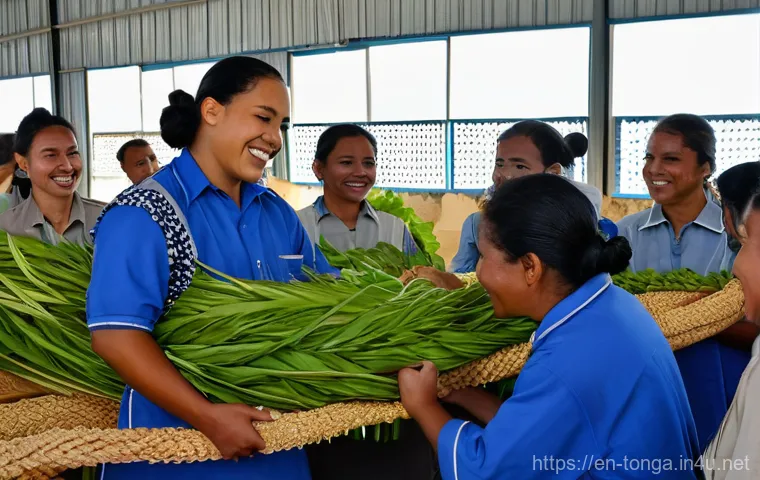
It’s often overlooked, but the contributions of Tongan labor migrants extend far beyond just their families; they play a crucial role in supporting and shaping various industries in their host countries. From what I’ve observed, their dedication, strong work ethic, and ability to quickly adapt make them incredibly valuable assets. I’ve heard countless positive testimonials from employers in places like Australia and New Zealand, praising the reliability and positive attitude of their Tongan staff. This isn’t just about filling labor shortages; it’s about bringing a level of commitment and resilience that genuinely elevates the productivity and morale of entire teams. It’s fascinating to see how these individuals, often starting from humble beginnings, become indispensable parts of global supply chains and service industries, truly building bridges between nations through their hard work.
Key Sectors: Where Tongan Talent Shines Brightest
You’ll find Tongan workers making significant contributions across a range of sectors. In Australia and New Zealand, for example, their presence is particularly vital in the agricultural and horticultural industries, where they undertake demanding seasonal tasks like fruit picking, packing, and vineyard work. But their skills aren’t limited to farming; I’ve also seen them excel in meat processing, aged care, and even construction. Their adaptability means they can quickly learn and master new tasks, making them highly sought after in areas experiencing labor shortages. It truly highlights how their diverse skill sets and strong work ethic contribute to the backbone of these economies, ensuring that essential goods and services continue to flow smoothly.
A Global Workforce: Contributions Across Continents
The reach of Tongan labor migration isn’t confined to just the Pacific Rim; it’s truly a global phenomenon. While Australia and New Zealand are primary destinations, Tongans also find opportunities in countries like the United States and Canada, often in hospitality, manufacturing, or service industries. This global spread means that Tongan workers are contributing to a vast array of economies and industries, from ensuring fresh produce reaches dinner tables to providing essential care for the elderly. It’s a powerful reminder of how interconnected our world truly is, and how the dedication of individuals from a small island nation can have such a broad and meaningful impact on the global workforce. Their global presence underscores their invaluable contributions.
| Destination Country | Primary Industries for Tongan Workers | Cultural Ties / Community Presence | Economic Impact (General) |
|---|---|---|---|
| Australia | Agriculture, Meat Processing, Healthcare | Strong diaspora, cultural exchange programs | Significant remittances, skill development for workers |
| New Zealand | Horticulture, Seasonal Work, Aged Care | Deep historical and cultural connections | Vital economic support for Tongan families, fills labor gaps |
| United States | Hospitality, Construction, Services | Established Tongan communities, diverse opportunities | Contribution to local economies, family reunification efforts |
The Road Ahead: Challenges and Triumphs of Migrant Life
No journey is without its challenges, and the path of a labor migrant from Tonga is certainly no exception. I’ve heard many stories of the difficulties faced, from the initial separation from family, which can be incredibly tough on the heart, to navigating complex visa processes and adjusting to a completely new way of life. Imagine the homesickness, the cultural misunderstandings, and sometimes, the sheer exhaustion of demanding physical labor in an unfamiliar environment. Yet, what always strikes me is the incredible resilience and determination that shines through these narratives. These aren’t just stories of hardship; they are powerful testaments to the human spirit’s ability to overcome adversity, to find strength in purpose, and to celebrate every small victory along the way. It really puts things into perspective about what people are willing to endure for their families.
Overcoming Obstacles: From Homesickness to Integration
Homesickness is a universal feeling, but for those who travel thousands of miles for work, it can be particularly acute. I’ve learned that staying connected with family, often through video calls and social media, becomes a lifeline. Beyond that, the process of integrating into a new society presents its own set of hurdles. This can include anything from understanding local laws and customs to finding reliable transportation or even just knowing where to buy familiar food items. However, what I consistently observe is an incredible willingness to learn and adapt. Tongan communities abroad often create strong support networks, helping newcomers navigate these challenges and fostering a sense of belonging that eases the transition, turning obstacles into opportunities for growth and deeper connection.
Celebrating Success: Achievements and Aspirations
Despite the challenges, the triumphs of Tongan labor migrants are truly worth celebrating. Every successful remittance sent home, every new skill acquired, every milestone reached in their careers abroad, represents a significant achievement. I’ve witnessed the immense pride in workers’ eyes as they talk about their children attending better schools, or their families having a safer, more comfortable home. These successes are not just personal; they inspire others in their communities, creating a ripple effect of hope and ambition. Looking ahead, the aspirations remain strong: for greater opportunities, for more secure pathways, and for continued growth that benefits both the individual migrant and their beloved nation of Tonga. Their journey is a continuous saga of hard work, resilience, and unwavering hope for a brighter future.
A Global Family: Supporting Tongan Laborers Worldwide
When I think about the global phenomenon of labor migration, especially concerning Tongan workers, it really highlights the idea that we’re all part of a larger global family. It’s not just about governments and policies; it’s about human connection, mutual respect, and ensuring that those who contribute so much to our economies and societies are supported and treated with dignity. I’ve seen some incredible initiatives, both formal and informal, that aim to provide better welfare, legal assistance, and social integration for these vital workers. This collaborative spirit, where host communities, diaspora groups, and international organizations work together, truly embodies the essence of a global community. It’s a recognition that their well-being is intrinsically linked to our collective prosperity, and that supporting them is not just a duty, but a genuine expression of human solidarity. It’s about fostering environments where they can not only work but also truly thrive.
Advocacy and Welfare: Ensuring Fair Treatment
It’s incredibly important to advocate for the rights and welfare of labor migrants. I’ve personally followed the work of various non-governmental organizations and community groups that tirelessly work to ensure Tongan workers are protected from exploitation, receive fair wages, and have access to proper living conditions and healthcare. These efforts are crucial, as migrants can sometimes be vulnerable in unfamiliar environments. It’s about more than just legal frameworks; it’s about creating a culture of care and accountability. When I see these organizations step up, providing everything from legal advice to simply being a friendly face, it reinforces my belief that compassion and justice are at the heart of responsible global labor practices. Their tireless work makes a real difference in the lives of many.
Strengthening Connections: The Role of Diaspora Communities
The Tongan diaspora communities around the world are absolutely vital in supporting newly arrived workers. I’ve witnessed firsthand how these established communities act as powerful bridges, offering guidance, emotional support, and practical assistance. They help new arrivals navigate the complexities of life in a new country, share cultural practices, and provide a sense of belonging that can be incredibly comforting when you’re far from home. This isn’t just about sharing a meal; it’s about maintaining cultural identity, providing a safety net, and fostering a sense of extended family. Their role in smoothing the integration process and ensuring the well-being of their fellow Tongans is immeasurable, showcasing the enduring strength of cultural ties even across vast distances. It’s a beautiful example of community in action.
Wrapping Things Up
As we’ve explored the incredible journey of Tongan migrant workers, it truly underscores the powerful human spirit of resilience and unwavering dedication to family. Their stories are a testament to how love and responsibility can transcend borders, shaping not just individual lives but entire communities. It’s been an honor to shed light on their contributions, and I hope you’ve gained a deeper appreciation for the profound impact they make globally and at home. Their sacrifice fuels dreams, and their strength truly inspires.
Useful Information to Know
For anyone considering or interested in the journey of Tongan labor migrants, here are a few insights I’ve gathered from observing their paths and speaking with many who’ve experienced it firsthand. These aren’t just facts; they’re key aspects that shape the entire experience, from preparation to impact:
1. Understanding official labor schemes like Australia’s Pacific Australia Labour Mobility (PALM) scheme or New Zealand’s Recognised Seasonal Employer (RSE) program is absolutely crucial. These government-to-government initiatives provide regulated and safer pathways for employment, offering protections that informal routes often lack. They’re designed to ensure fair wages and working conditions, making them the most recommended avenues for Tongan workers seeking opportunities abroad. The RSE program, for instance, allows workers from Pacific Islands, including Tonga, to work in New Zealand’s horticulture and viticulture industries for up to seven months, aiming to encourage economic development in the Pacific.
2. Pre-departure training plays a significant role in success. Many workers engage in programs that cover English language proficiency, cultural adaptation, and specific vocational skills needed for their overseas roles. This preparation not only smooths the transition but also significantly boosts their confidence and effectiveness in a new working environment, which I’ve seen make a huge difference.
3. Connecting with diaspora communities in host countries can be a lifeline. These established Tongan communities offer invaluable support, from practical advice on navigating local systems to emotional comfort and a sense of belonging. They often serve as informal networks for information, housing, and social integration, truly making a foreign land feel a little more like home.
4. Financial literacy and planning for remittances are key. Many workers strategically manage their earnings, not just for immediate family needs but also for long-term investments in education, housing, or small businesses back in Tonga. Understanding exchange rates, transfer fees, and budgeting is essential to maximize the impact of their hard-earned money.
5. The cultural exchange is a two-way street. While migrants adapt to new customs, they also enrich their host countries with Tongan traditions, food, and community spirit. Embracing this exchange, both as a migrant and as a host, fosters deeper understanding and stronger bonds, contributing to a truly global tapestry of cultures.
Key Takeaways
Reflecting on the profound impact of Tongan labor migration, several points consistently stand out, forming the core narrative of this incredible human endeavor. From my vantage point, having observed and engaged with this topic extensively, the overarching themes are clear. Firstly, the unwavering commitment to family remains the primary motivator, driving individuals to make immense sacrifices for the well-being and future prosperity of their loved ones back home. This isn’t just a cultural norm; it’s a deeply ingrained value that shapes every decision and endures every challenge. Secondly, these aren’t just workers; they are global citizens who contribute significantly to the economies of their host countries, filling vital labor gaps and bringing a strong work ethic that is widely valued. Their adaptability and resilience make them invaluable assets, and their impact is felt across various industries. Lastly, the ripple effect of remittances extends far beyond mere financial transactions; they are catalysts for community development, fostering improvements in education, healthcare, and infrastructure, building a more resilient and hopeful Tonga for future generations. It’s a powerful testament to human spirit, hard work, and the enduring strength of familial bonds.
Frequently Asked Questions (FAQ) 📖
Q: So, what really drives so many amazing Tongans to pack their bags and embark on these incredible journeys to work overseas? I’ve often thought about the sheer courage it takes to leave your home, your family, and everything familiar behind for a chance at a brighter future.
A: You know, it really boils down to a blend of powerful motivations. For many, the economic pull is simply undeniable. Back home in Tonga, job opportunities can be quite limited, and the wages often don’t stretch as far as families need them to, especially with rising costs of living.
Over in countries like Australia and New Zealand, even entry-level positions in sectors like agriculture or meat processing offer significantly higher pay.
This difference allows Tongans working abroad to send crucial remittances back home. From what I’ve seen and heard, these remittances aren’t just a nice-to-have; they’re often the lifeline for families, covering everything from daily necessities and food to education for the kids and even rebuilding homes after devastating natural disasters, which sadly, Tonga has faced its share of.
It’s about building a better, more secure life for their loved ones, providing opportunities that just aren’t available on the islands. It truly speaks to their deep sense of family and community responsibility.
Q: What’s the real impact of Tongan labor migration, both for Tonga and for the countries that welcome these hardworking individuals? It’s a complex picture, isn’t it?
A: Oh, it absolutely is a complex and often bittersweet reality! On one hand, the impact of these migrations on Tonga is profound and largely positive financially.
Remittances from overseas workers are an absolutely vital pillar of the Tongan economy, sometimes making up a huge percentage of the nation’s Gross Domestic Product.
This money strengthens household welfare, reduces poverty, and even stimulates local businesses. It’s truly incredible how much of Tonga’s economic resilience is built on the shoulders of its diaspora.
However, and this is where it gets tough, this exodus of skilled and prime-age workers can also create significant labor shortages within Tonga itself.
Local businesses in areas like construction, retail, and even agriculture struggle to find staff, which can slow down local development. For the host countries like Australia and New Zealand, Tongan migrants play a critical role in filling labor gaps, especially in physically demanding industries that often struggle to attract local workers.
They’re known for their strong work ethic and high productivity, making immense contributions to these industries. It really highlights how interconnected our global economy is, with people moving across borders to meet demands and build a better life for themselves and their families.
Q: When Tongans make the leap to work in a new country, what are some of the biggest hurdles they face, and what kind of triumphs do they experience along the way?
A: Imagine leaving everything familiar behind—the warm weather, the family gatherings, the comforting rhythms of island life. The hurdles can be pretty significant!
From what I’ve gathered through my conversations and observations, homesickness is a huge one. Being away from loved ones for extended periods, especially when you can’t easily afford a flight home, takes a real emotional toll.
Then there are the practical challenges: adjusting to a new culture, sometimes facing language barriers, and navigating unfamiliar social norms. While many employers are supportive, I’ve also heard stories of workers facing tough living and working conditions, or even issues with understanding wage deductions.
But amidst these challenges, I’ve heard so many inspiring stories of triumph! Many migrants experience incredible personal growth. They learn new skills, gain valuable work experience, and develop a newfound independence.
The financial security they achieve for their families back home is a massive triumph, allowing them to build better houses, educate their children, and improve their overall quality of life.
Plus, they often find a strong sense of community within the Tongan diaspora in their host countries, creating a supportive network away from home. Seeing their determination and the positive changes they bring about for their families makes you realize the sheer power of human resilience and ambition.