Exploring the rich cultures of Tonga and the broader Polynesian region reveals fascinating similarities and unique distinctions shaped by centuries of tradition and island life.
While both share common threads like language roots and oceanic navigation skills, each boasts its own customs, art forms, and social structures that reflect their individual histories.
Understanding these cultural nuances offers a deeper appreciation for the vibrant heritage that continues to thrive across the Pacific. Whether it’s through dance, storytelling, or community values, the diversity within Polynesia is truly captivating.
Let’s dive in and uncover what makes Tonga and Polynesia culturally distinct and interconnected. I’ll guide you through the details with clarity and insight!
Distinctive Traditions and Social Norms
Role of Chiefs and Social Hierarchy
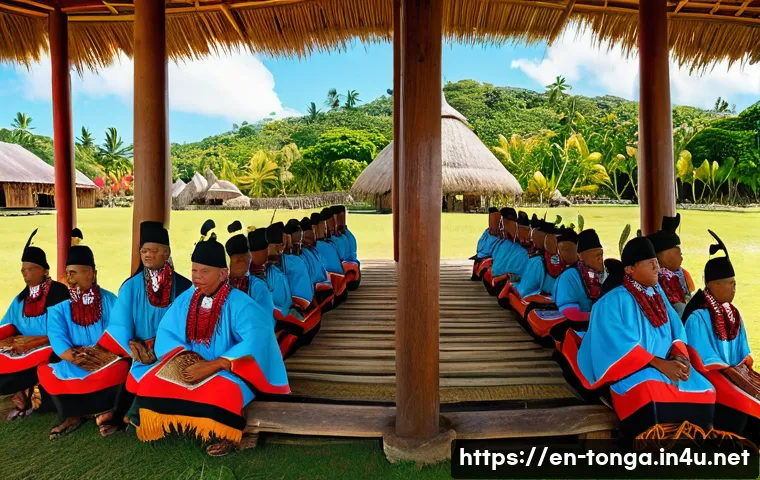
In Tonga, the chiefly system is deeply entrenched, with the King and noble chiefs holding significant authority not just politically but also culturally.
The social hierarchy is rigid and respected, with clear expectations for behavior and community roles tied to one’s rank. Polynesian societies, while sharing respect for leadership, often exhibit more fluid social structures.
For example, in Samoa, chiefly titles (matai) are important but more accessible to the community members, and leadership can be more collective. Experiencing this firsthand in Tonga, I noticed how ceremonies around chiefs are formal and solemn, emphasizing respect and tradition.
This contrasts with other Polynesian islands where communal gatherings feel more egalitarian, though still honoring their leaders profoundly.
Marriage Customs and Family Bonds
Family and kinship are core to both Tongan and broader Polynesian cultures, but their expressions differ. Tongans place heavy emphasis on arranged marriages within clans to strengthen alliances, and extended family obligations often dictate social life.
Polynesian islands like Tahiti or Hawaii emphasize more romantic courtship rituals, though family ties remain pivotal. From conversations with locals, I learned that Tongans tend to have larger family networks living close together, creating strong support systems.
Polynesian families, while close-knit, sometimes blend traditional and modern approaches, reflecting the influence of globalization and tourism.
Gender Roles and Community Expectations
Gender roles in Tonga are traditionally well-defined; men often take on leadership and breadwinning duties, while women manage the household and are central to cultural ceremonies like kava drinking and dance performances.
Polynesian islands vary widely: in some, women have prominent roles in politics and spiritual leadership, while in others, traditional roles persist strongly.
Through attending cultural events, I observed that Tongan women’s participation in rituals carries a dignified grace, symbolizing continuity of heritage.
Meanwhile, in places like New Zealand’s Maori communities, gender roles can be more fluid, reflecting evolving societal values.
Artistic Expressions and Cultural Identity
Dance and Music as Storytelling Tools
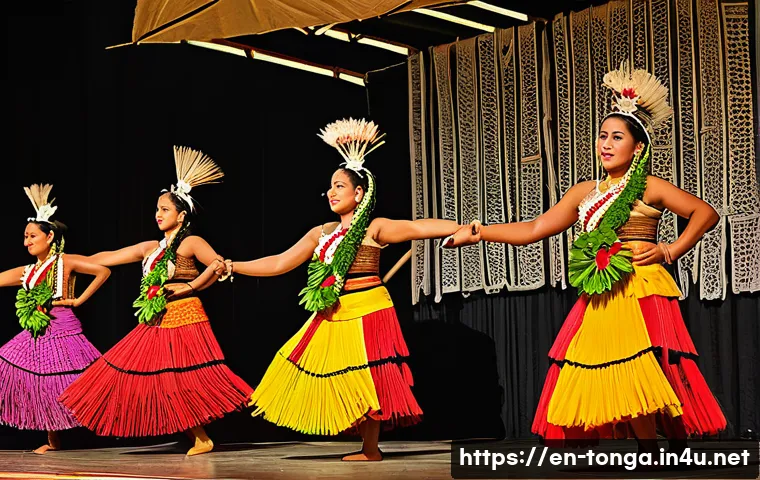
Dance in Tonga is a powerful medium of storytelling, with performances like the lakalaka involving synchronized movements and poetic chants that recount history and honor chiefs.
This is somewhat mirrored across Polynesia, but each island group adds its own flavor. For instance, the Hawaiian hula combines graceful gestures with melodic chants to convey legends, while Maori haka involve vigorous movements and vocalizations expressing strength and unity.
I once attended a Tongan festival where the energy of the dancers and the emotional depth of their songs left a lasting impression, showing how art serves as a living archive of cultural memory.
Visual Arts and Craftsmanship
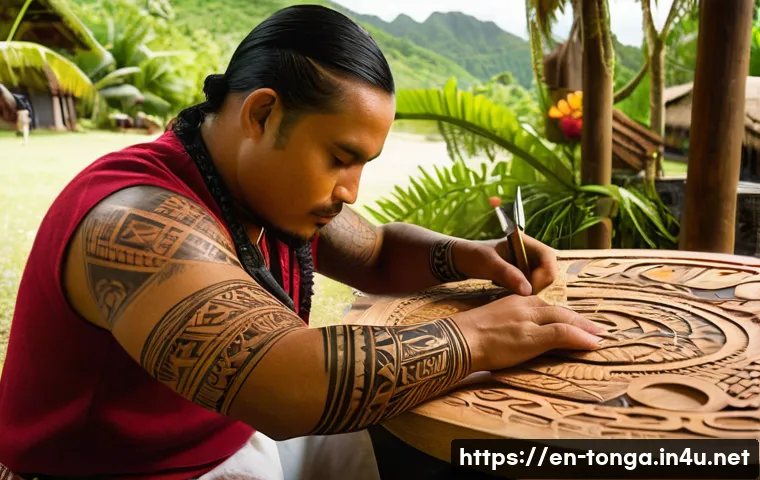
Tattooing is a significant art form in many Polynesian cultures, but Tonga is unique in its styles and meanings. Tongan tatau often symbolize family lineage and social status, with intricate geometric patterns.
Across Polynesia, tattoos carry spiritual significance and rites of passage, but the designs and application methods vary widely. I had the chance to see a master tattoo artist in Tonga explaining how each symbol connects to personal and communal identity, a tradition passed down through generations.
Similarly, wood carving and weaving in Tonga reveal both utility and artistry, reflecting island life’s close relationship with nature.
Language and Oral Traditions
The Tongan language belongs to the Polynesian language family, sharing roots with Samoan, Maori, and Hawaiian languages. Despite this, it retains unique vocabulary and pronunciation that create a distinct identity.
Oral traditions, such as storytelling and chants, are vital to preserving history and cultural values. Polynesian cultures broadly rely on oral transmission, but the content and style differ.
For example, the Tongan fale (meeting houses) serve as cultural hubs for storytelling, while in other islands, oral history may be linked to navigation or genealogy.
Having listened to elders recount stories in Tonga, I was struck by the emotional resonance and the role these narratives play in community cohesion.
Maritime Heritage and Navigational Expertise
Traditional Seafaring Techniques
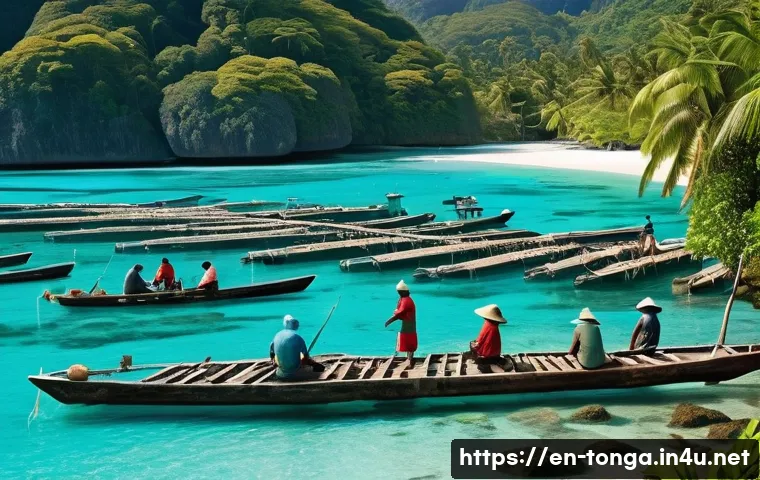
One of the most fascinating aspects of Polynesian culture is the mastery of ocean navigation, and Tonga is no exception. Tongans historically used stars, wave patterns, and bird flight paths to voyage across vast distances without modern instruments.
This skill is a shared heritage throughout Polynesia, but each island group developed nuanced techniques adapted to their environment. During a sailing expedition in Tonga, I was amazed at how knowledge of the sea was integrated into daily life and survival, passed orally and through practice.
Polynesian navigators remain revered as keepers of ancient wisdom, their methods inspiring modern voyages reconnecting with ancestral routes.
Boat Design and Usage
Tongan canoes, or vaka, are uniquely designed for stability and speed, often featuring double hulls. This design differs slightly from other Polynesian vessels, such as the single-hulled wa’a in Hawaii or the outrigger canoes in Samoa.
The construction of these boats involves deep understanding of materials and ocean conditions, reflecting a blend of innovation and tradition. I had the privilege to watch local craftsmen build a vaka, appreciating the communal effort and respect for natural resources.
These vessels remain symbols of cultural pride and practical tools for fishing and transportation.
Modern Revival of Navigational Arts
In recent years, there’s been a resurgence of interest in traditional Polynesian navigation, with cultural groups organizing training and voyages. Tonga participates in this movement, helping to preserve and celebrate maritime heritage.
I attended a workshop where young Tongans learned star navigation, blending ancient techniques with modern science. This revival not only strengthens cultural identity but also promotes environmental stewardship of the Pacific Ocean, fostering a sense of responsibility toward ancestral waters.
Religious Beliefs and Spiritual Practices
Christianity’s Influence and Traditional Beliefs
Christianity has profoundly shaped Tongan society, introduced in the 19th century and now central to daily life and governance. However, traditional beliefs and customs often coexist alongside Christian practices, creating a unique spiritual landscape.
Polynesian islands similarly experienced missionary influence, but the degree of integration varies. In Tonga, church attendance and Sunday observance are taken very seriously, influencing social norms.
Yet, ancestral reverence and rituals tied to nature remain subtly woven into cultural expressions, evident in ceremonies and festivals I observed that blend old and new.
Rituals and Ceremonial Practices
Ceremonies in Tonga are elaborate affairs involving kava drinking, music, and dance, marking important life events such as births, weddings, and funerals.
These rituals reinforce community bonds and respect for tradition. Across Polynesia, ceremonial practices differ in form but share the goal of connecting people to their ancestors and the spiritual world.
For example, the Samoan ava ceremony closely resembles the Tongan kava tradition but with local variations. Attending a Tongan ceremony, I felt the profound sense of belonging and reverence that these gatherings inspire.
Role of Mythology and Folklore
Mythological stories and folklore are foundational to understanding Polynesian worldviews. Tonga’s legends often feature gods and heroes that explain natural phenomena and social order.
While many Polynesian myths share themes—like creation stories and the exploits of demigods—each culture adapts these tales uniquely. I was fascinated by how Tongan storytellers animate these myths during communal events, weaving moral lessons and cultural values into engaging narratives.
These stories continue to shape identity and teach younger generations about their heritage.
Community Life and Contemporary Challenges
Festivals and Communal Gatherings
Community gatherings in Tonga are vibrant, often centered around church functions, weddings, or sporting events. These occasions reinforce social ties and cultural pride.
Polynesian islands similarly cherish communal life, though the scale and nature of festivals vary. For example, the annual Heilala Festival in Tonga celebrates national identity through pageantry, music, and dance, drawing locals and tourists alike.
Participating in such festivals, I noticed how they serve as a bridge between tradition and modernity, showcasing resilience and adaptability.
Education and Language Preservation
Education in Tonga balances Western curriculum with efforts to preserve the Tongan language and culture. Across Polynesia, there’s a shared challenge of maintaining indigenous languages amid globalization.
In Tonga, schools incorporate cultural subjects, and community elders often play active roles in teaching traditions. I found that this integration fosters pride and continuity, though pressures from English dominance remain strong.
Similar efforts are underway in other Polynesian nations, highlighting a collective commitment to cultural survival.
Economic Development and Cultural Sustainability
Tonga and other Polynesian islands face the challenge of balancing economic growth with cultural preservation. Tourism provides vital income but risks commodifying traditions.
From what I’ve seen, Tongans strive to present authentic cultural experiences while protecting sacred practices. This delicate balance is echoed throughout Polynesia, where communities innovate to sustain livelihoods without losing their heritage.
Engaging with local artisans and cultural leaders, I sensed a deep awareness of these tensions and a hopeful vision for the future.
| Aspect | Tonga | Broader Polynesia |
|---|---|---|
| Social Hierarchy | Rigid chiefly system with clear ranks | Varies; often more fluid leadership |
| Marriage Customs | Arranged marriages within clans | More romantic courtship; family-oriented |
| Dance Style | Lakalaka with poetic chants | Varies: hula, haka, etc., reflecting local stories |
| Tattoo Significance | Lineage and status symbols | Spiritual and rite-of-passage meanings |
| Navigation | Star and wave pattern expertise; vaka design | Shared oceanic navigation skills with local adaptations |
| Religion | Christianity blended with traditional beliefs | Missionary influence varies; traditional beliefs persist |
| Community Life | Strong church and festival presence | Communal gatherings with diverse expressions |
Language, Communication, and Identity
Shared Linguistic Roots and Unique Dialects
The Polynesian language family connects Tonga with its island neighbors through shared vocabulary and grammar structures, but each island’s dialect carries unique sounds and expressions.
For example, while Tongan uses the ‘ng’ sound prominently, Hawaiian has a softer ‘k’ sound replacing ‘t’. These linguistic differences reflect historical migration patterns and interactions.
I found that understanding even a few words in each dialect opened doors to deeper cultural exchanges, highlighting language as a living marker of identity and connection.
Nonverbal Communication and Cultural Etiquette
Beyond words, Polynesian cultures emphasize gestures, body language, and protocols that convey respect and social standing. In Tonga, bowing slightly or lowering one’s gaze when addressing chiefs is customary.
Polynesian islands share similar practices but with local variations—like the hongi greeting in Maori culture involving nose pressing. Observing these nuances firsthand revealed how communication in these cultures extends beyond speech, embodying values of humility and community cohesion.
Contemporary Challenges in Language Preservation
Globalization and digital media have introduced new challenges to maintaining Polynesian languages, including Tongan. Younger generations often prefer English, risking language erosion.
However, there are vibrant initiatives using technology, education, and media to revitalize these tongues. I came across radio programs and online platforms dedicated to teaching Tongan, illustrating how tradition adapts to modern contexts.
This ongoing effort is crucial for cultural survival and pride across Polynesia.
Environmental Connections and Sustainable Practices
Respect for Nature in Cultural Practices
Tongan and Polynesian cultures historically view nature as a living, sacred entity intertwined with human life. Practices like fishing and farming are governed by customs ensuring sustainability and reverence.
For instance, taboo areas where fishing is restricted help preserve marine life. Experiencing village life, I saw how these traditions foster a balanced relationship with the environment, a principle widely shared among Polynesian islands but adapted to local ecosystems.
Traditional Ecological Knowledge
Generations of observation and practice have created vast ecological knowledge systems in Tonga and Polynesia. This includes understanding seasonal cycles, weather prediction, and resource management.
Such wisdom is invaluable today, especially amid climate change threats. I had conversations with elders who emphasized how traditional knowledge complements scientific approaches, advocating for integrating both in modern conservation efforts.
Challenges of Climate Change and Cultural Resilience
Rising sea levels and environmental changes pose existential threats to low-lying Polynesian islands, including Tonga. Communities are actively engaging in adaptation strategies that blend traditional resilience with innovation.
From building raised homes to restoring coral reefs, these efforts reflect a profound commitment to preserving both land and culture. Witnessing these initiatives, I felt a strong sense of hope rooted in cultural pride and collective action.
Food Culture and Culinary Traditions
Staple Ingredients and Traditional Dishes
Tongan cuisine centers around root crops like taro and cassava, seafood, and tropical fruits, prepared in ways that highlight natural flavors. The umu, or earth oven, is a traditional cooking method shared across Polynesia but with regional variations in ingredients and ceremonies.
I’ve enjoyed feasts where the communal preparation and sharing of food embody social bonds and hospitality, a vital aspect of island life. Polynesian food traditions, while similar, offer unique tastes and rituals that tell stories of place and people.
Communal Eating and Social Significance
Meals in Tonga are often communal, reinforcing family and social ties. Food sharing is not just about nourishment but an expression of generosity and respect.
This practice is echoed throughout Polynesia, where feasts mark celebrations and important events. Participating in these gatherings, I noticed how food acts as a cultural language, communicating care, status, and identity.
The dynamics of sharing also reveal values of inclusivity and reciprocity deeply embedded in these cultures.
Modern Influences and Culinary Adaptations
Globalization has introduced new ingredients and cooking styles to Tonga and Polynesia, blending with traditional cuisine. Imported foods and fast food chains coexist with local markets and home-cooked meals.
While this presents challenges to cultural foodways, many islanders creatively adapt, preserving core elements while embracing change. From my experience dining in Tonga, I saw chefs and home cooks innovating dishes that honor tradition yet appeal to contemporary tastes, reflecting a dynamic culinary culture.
Education and Cultural Transmission
Formal Education and Cultural Curriculum
In Tonga, formal education includes both standard academic subjects and cultural teachings, aiming to produce well-rounded individuals grounded in their heritage.
This dual approach is common in Polynesia, where schools often incorporate native language classes, traditional arts, and history. I’ve visited classrooms where elders are invited to share stories or skills, creating intergenerational learning experiences.
This blend of modern education and cultural transmission supports identity formation and community continuity.
Informal Learning and Elders’ Roles
Outside schools, cultural knowledge is passed through family and community elders who teach language, rituals, crafts, and values. In Tonga, respect for elders is paramount, and their role as cultural custodians is recognized formally and informally.
Polynesian societies share this emphasis, seeing elders as living libraries. I found that engaging with elders provided insights not found in textbooks, highlighting the importance of oral history and mentorship in cultural preservation.
Challenges and Opportunities in Cultural Education
Balancing modernization with cultural education poses challenges, including limited resources and competing priorities. However, technology offers new opportunities to document and share cultural knowledge widely.
I encountered projects using digital storytelling and social media to engage youth in Tonga and Polynesia, sparking renewed interest and pride. This evolving educational landscape points to a hopeful future where tradition and innovation coexist to nurture cultural resilience.
글을 마치며
Exploring the rich tapestry of Tongan and broader Polynesian cultures reveals a profound connection between tradition, community, and identity. These societies skillfully balance honoring ancestral customs with embracing modern influences. Through their social structures, artistic expressions, and environmental stewardship, they offer valuable lessons in resilience and cultural pride. Understanding these dynamics enriches our appreciation of Polynesia’s unique heritage and ongoing evolution.
알아두면 쓸모 있는 정보
1. The chiefly system in Tonga is more rigid and formal compared to other Polynesian islands, reflecting deep respect for hierarchy and tradition.
2. Traditional Tongan navigation relies on natural signs like stars and waves, a skill still celebrated and taught to younger generations today.
3. Communal meals and ceremonies in Tonga not only nourish but also reinforce social bonds and cultural identity.
4. Language preservation efforts in Tonga combine modern technology with elder mentorship to keep the Tongan language vibrant.
5. Environmental practices in Tonga emphasize sustainability rooted in cultural respect for nature, crucial amid climate change challenges.
핵심 포인트 요약
Tongan culture is characterized by a strong chiefly system and well-defined social roles, distinguishing it within Polynesia’s diverse traditions. Artistic forms like dance, tattooing, and oral storytelling serve as vital vessels of cultural memory. Maritime expertise remains a celebrated heritage, with modern revivals strengthening community identity. Christianity blends seamlessly with indigenous beliefs, shaping spiritual life and ceremonies. Despite globalization pressures, Tonga actively preserves language, customs, and environmental stewardship, highlighting a dynamic balance between tradition and modernity.
Frequently Asked Questions (FAQ) 📖
Q: What are some key cultural similarities between Tonga and other Polynesian islands?
A: One of the most striking similarities is the shared linguistic roots among Polynesian languages, which makes communication and storytelling deeply interconnected across the region.
Additionally, traditional ocean navigation techniques, like using stars and ocean swells, are common skills passed down through generations. Social structures often emphasize extended family and community ties, and many islands celebrate their heritage through vibrant dance and music that reflect shared values of respect, hospitality, and connection to nature.
Q: How does Tonga’s culture stand out from other Polynesian cultures?
A: Tonga has a unique monarchy system that still holds significant cultural and political influence, which is less common in other Polynesian societies. Their traditional arts, such as tapa cloth making and wood carving, have distinctive patterns and styles that tell stories specific to Tonga’s history.
The Tongan language itself, while related to other Polynesian tongues, has its own dialectical nuances. Also, Tonga’s community values strongly emphasize respect for elders and hierarchical relationships, which shape daily life and ceremonies in a way that feels very personal and rooted in tradition.
Q: Why is understanding the cultural nuances of Polynesia important for travelers or enthusiasts?
A: Diving into the cultural details helps avoid misunderstandings and shows genuine respect for the people and their heritage. When you appreciate the differences and similarities—like why certain dances are performed or what specific symbols mean—you engage more meaningfully with locals and their stories.
This deeper connection enriches the travel experience and supports preserving these vibrant traditions. Plus, it highlights the resilience and creativity of Polynesian cultures, which have thrived despite historical challenges, making your visit or study far more rewarding.