When you think of iconic movie locations, your mind probably jumps to Hollywood or perhaps the grand landscapes of Europe, right? But what if I told you there’s a truly special, lesser-known gem in the heart of the Pacific that’s been quietly captivating filmmakers with its untouched beauty and vibrant culture?
I’ve always been fascinated by the magic of Tonga, an archipelago where emerald islands meet turquoise waters, and believe me, it’s far more than just a picture-perfect vacation spot.
From dramatic volcanic backdrops and ancient archaeological sites to the breathtaking dance of humpback whales, this Polynesian kingdom offers an authentic canvas that Hollywood often overlooks.
You’d be surprised by the diverse stories that have unfolded here, bringing its unique charm to the big screen. Ready to discover the cinematic secrets of this incredible nation?
Let’s dive right in and explore Tonga’s fascinating role in the world of film!
Tonga’s Untouched Landscapes: A Filmmaker’s Dream
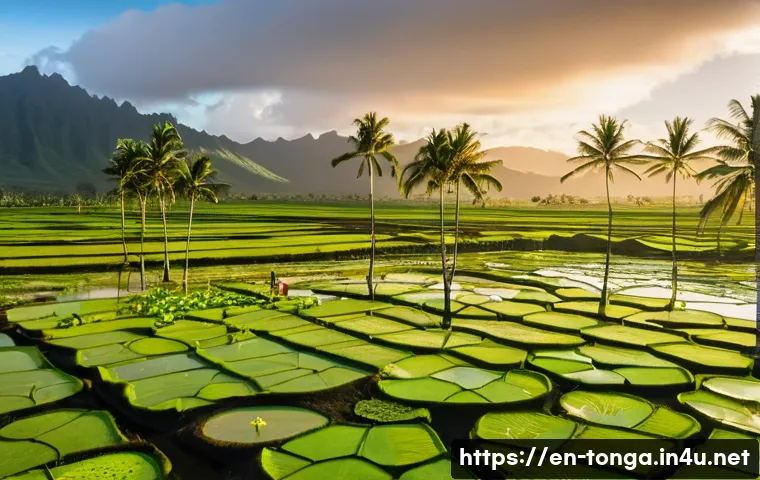
When I first set foot on Tonga, it wasn’t just the sheer beauty that captivated me; it was the raw, unblemished authenticity of its landscapes. Unlike some destinations that feel manicured for tourists, Tonga offers an incredible, almost wild canvas that truly ignites a filmmaker’s imagination. You see, Hollywood loves a good backdrop, but finding one that feels genuinely untouched, where every frame tells a story of ancient earth and vibrant life, is a rare treasure. I’ve always been drawn to places that have a powerful sense of place, and Tonga, with its dramatic volcanic cliffs, serene lagoons, and dense rainforests, utterly delivers. It’s not just pretty; it has a soul. This authenticity translates beautifully on screen, giving films a depth and realism that CGI simply can’t replicate. Imagine sweeping drone shots over active volcanoes, or intimate scenes played out on secluded beaches where the only footprints are your own. That’s the magic Tonga offers, and I’ve seen it leave an indelible mark on everyone who’s had the privilege of experiencing it.
Volcanic Dramas and Pristine Beaches
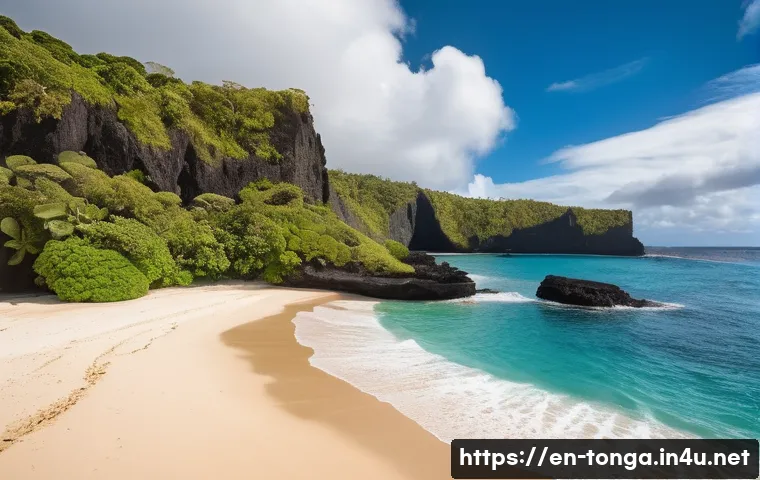
From the rugged, volcanic terrain of Tofua, where a steaming crater lake sits like a secret jewel, to the powdery white sands of the Ha’apai group, Tonga presents an astonishing variety of natural settings within a relatively small area. I vividly recall watching footage from a documentary shoot on ‘Eua, an island known for its dramatic cliffs and ancient forests, and thinking how perfectly it could double for an untouched prehistoric land. Filmmakers are constantly searching for locations that offer unique visual storytelling opportunities, and Tonga’s geological diversity provides exactly that. The juxtaposition of a stark, volcanic landscape against a tranquil, palm-fringed beach, all bathed in that incredible Pacific light, creates a visual feast. It’s not just about the beauty; it’s about the feeling these places evoke—a sense of wonder, isolation, or even adventure. When you’re there, you don’t just see the scenery; you feel it, and that’s what makes it so powerful for cinematic narratives. It truly feels like stepping onto another planet, yet it’s right here on Earth.
The Magic of ‘Eua and Beyond
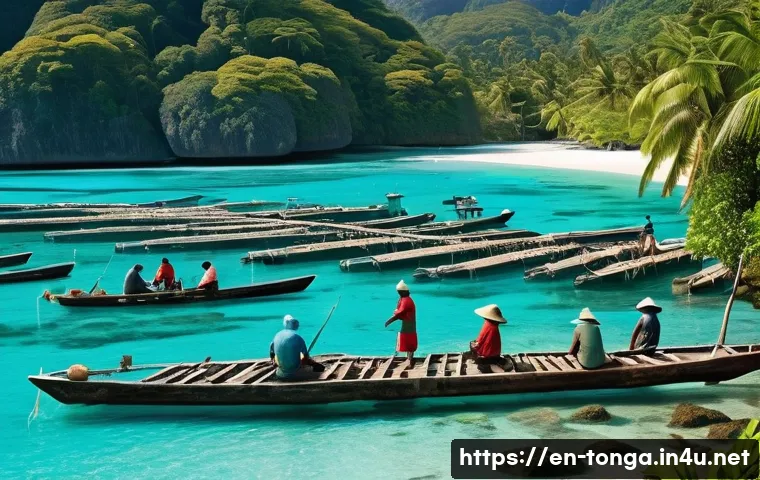
While the more famous islands like Tongatapu and Vava’u certainly have their charms, it’s often the lesser-known gems like ‘Eua that truly capture a filmmaker’s heart. ‘Eua, for example, is a nature lover’s paradise, boasting Tonga’s largest remaining natural forest, incredible sea caves, and a rugged coastline that’s just begging for a dramatic chase scene or a contemplative moment. I’ve heard countless stories from production crews about the ease of finding diverse looks on ‘Eua, from lush, primeval jungle to windswept clifftops, all within a short drive. Then there’s the remote Niuas, a group of islands so far north they feel like a world away, offering a glimpse into a truly traditional Polynesian way of life and landscapes untouched by modern development. These islands provide an unparalleled authenticity that resonates deeply with audiences, transporting them to a world they might otherwise only dream of. The ability to shoot in such diverse and pristine environments without the usual crowds and complexities is an absolute game-changer for any production, making Tonga an increasingly attractive option.
Beyond the Postcard: Authentic Culture on Screen
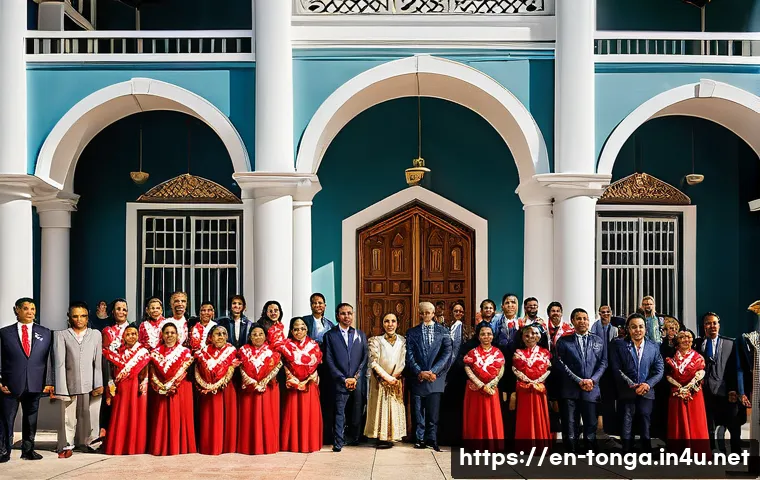
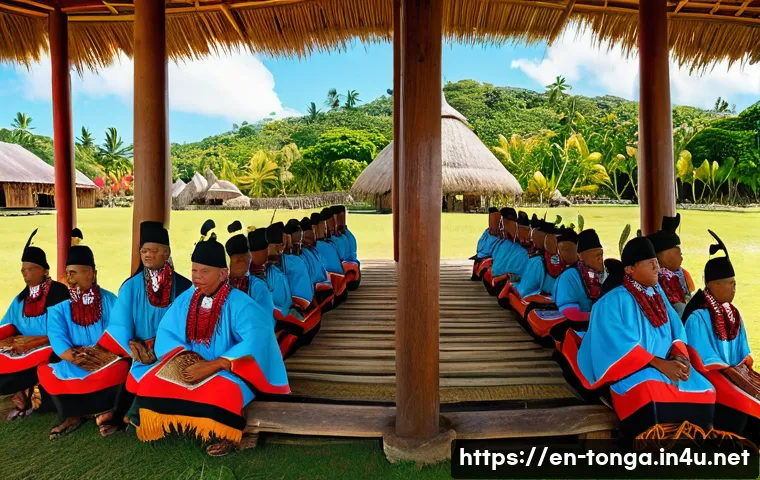
What truly sets Tonga apart from many other picturesque island nations, in my opinion, is its incredibly rich and deeply ingrained culture. It’s not a show put on for tourists; it’s the living, breathing fabric of everyday life, and that authenticity translates beautifully onto the screen. Filmmakers today are hungry for genuine stories and settings that offer more than just a pretty backdrop. They want substance, character, and a sense of history, and Tonga delivers on all fronts. I’ve always been fascinated by how the Tongan way of life, with its strong emphasis on family, tradition, and community, can enrich a cinematic narrative, adding layers of meaning and visual intrigue that simply can’t be manufactured. It’s about the communal feasts, the intricate kava ceremonies, the vibrant Sunday church services—moments that are inherently cinematic and tell a story of resilience and identity that’s deeply compelling. When you see a film shot here, you’re not just watching actors; you’re witnessing a slice of real Tongan life, and that’s a powerful experience.
Weaving Tongan Traditions into Narratives
Imagine a scene where a character seeks counsel from an elder in a fale, surrounded by family, or a coming-of-age story set against the backdrop of a traditional ‘umu feast. These aren’t just cultural footnotes; they are integral narrative devices that provide depth, context, and visual richness. I’ve personally seen how directors have carefully integrated Tongan customs, from intricate weaving patterns and traditional attire to the rhythm of daily life, into their storytelling. It’s about respect and collaboration, allowing the local culture to inform and enhance the narrative rather than just serving as window dressing. This approach not only lends incredible authenticity to the film but also offers audiences a rare and intimate glimpse into a culture that values its heritage above all else. When a production takes the time to truly understand and incorporate these elements, the resulting film becomes a much richer, more resonant piece of art, fostering a deeper connection with viewers who appreciate genuine cultural representation.
The Heartbeat of the Kingdom: Music and Dance
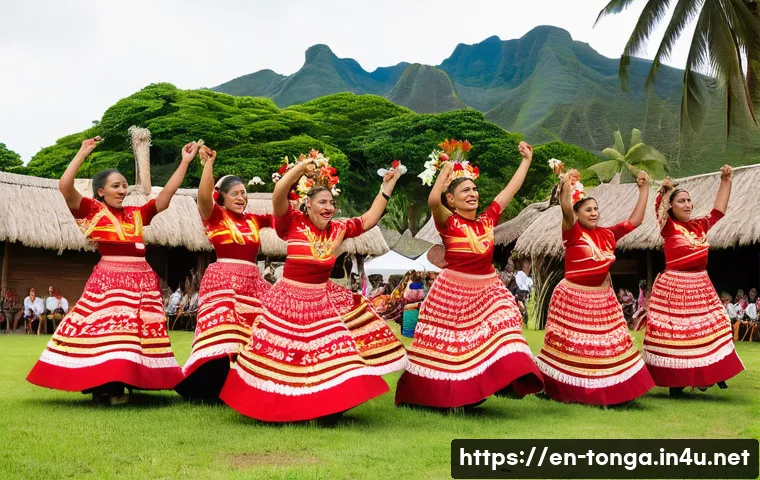
You cannot talk about Tongan culture without talking about its music and dance. The sheer energy and grace of a traditional lakalaka or kailao performance are breathtaking, and frankly, I think it’s a goldmine for filmmakers looking for dynamic, visually stunning sequences. I’ve been fortunate enough to witness these performances firsthand, and the power, precision, and storytelling inherent in each movement are absolutely captivating. Imagine the emotional impact of a scene punctuated by the resonant thrum of traditional drums or the soaring harmonies of a Tongan choir. This isn’t just background noise; it’s a vital part of the storytelling, conveying emotions and narratives that words alone might struggle to express. The rhythmic chanting, the intricate hand movements, the vibrant costumes—all these elements provide a rich tapestry for cinematographers to explore, adding an unparalleled layer of sensory experience to any film. It’s the very heartbeat of the kingdom, and when captured on screen, it truly brings a story to life.
The Ocean’s Call: Underwater Wonders and Marine Life in Film
For me, a significant part of Tonga’s allure, both personally and cinematically, lies beneath the waves. The turquoise waters surrounding these islands are not just beautiful; they’re teeming with life and offer some of the most spectacular underwater filming opportunities on the planet. I’ve always been mesmerized by marine documentaries, and witnessing the sheer abundance and diversity of Tonga’s aquatic ecosystem makes it clear why this place is a dream location for underwater cinematographers. From vibrant coral gardens to dramatic drop-offs, the underwater landscape is as varied and captivating as the land above. The clarity of the water is often phenomenal, allowing for incredible visibility and stunning natural light that makes every shot shimmer. Filmmakers are constantly pushing the boundaries of what’s possible underwater, and Tonga provides an unspoiled, pristine environment where marine life thrives, offering unparalleled opportunities to capture truly magical and often never-before-seen footage.
Swimming with Giants: Humpbacks on the Big Screen
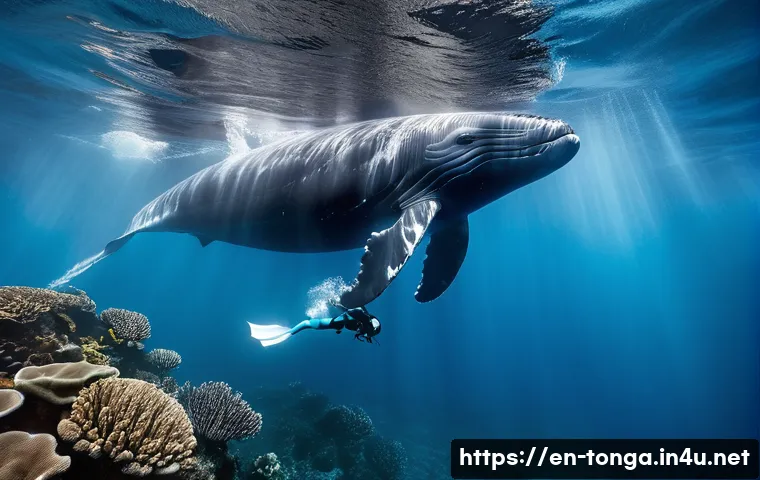
Without a doubt, one of Tonga’s most iconic cinematic offerings is the annual migration of humpback whales. From July to October, these magnificent creatures seek the warm, protected waters of Tonga to calve and mate, offering a rare opportunity for human interaction that is unparalleled globally. I’ve heard incredible stories from documentary crews who have spent weeks here, capturing intimate moments between mother whales and their calves, or the breathtaking spectacle of a male whale breaching. The sheer scale and grace of these animals, especially when captured by an expert underwater camera, create intensely emotional and awe-inspiring footage. It’s an experience that leaves an indelible mark on anyone who witnesses it, and for filmmakers, it’s a chance to tell powerful stories about conservation, natural wonder, and the delicate balance of our planet. When I think of Tonga, the image of a humpback silently gliding through crystal-clear water is always one of the first things that comes to mind, and it’s no wonder it’s such a draw for major productions.
Reefs and Wrecks: An Underwater Cinematographer’s Paradise
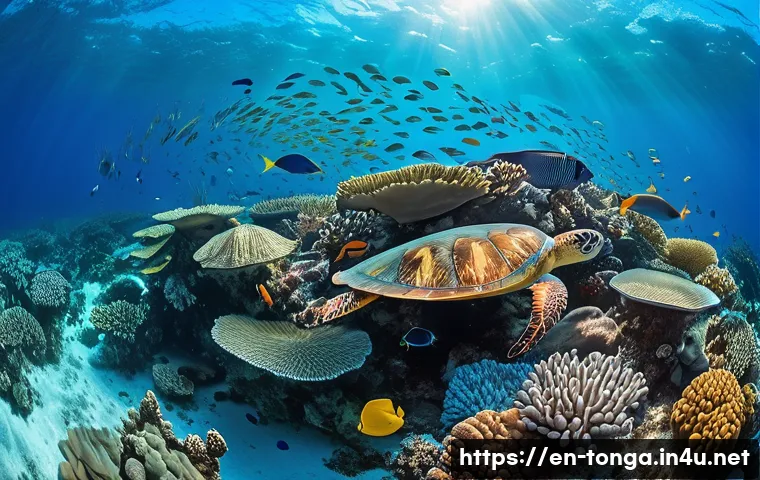
Beyond the whales, Tonga’s reefs are an explosion of color and life, providing a vibrant setting for any underwater narrative. I’ve spent countless hours diving and snorkeling in these waters, and every time I’m struck by the intricate beauty of the coral formations and the dazzling array of fish. For filmmakers, this means endless possibilities for stunning visuals, whether for a documentary on marine ecosystems or a fictional piece requiring a magical underwater world. What’s more, Tonga also boasts a fascinating collection of shipwrecks, remnants of history lying silently on the seabed, which can add a layer of mystery and intrigue to any film project. These underwater relics, slowly being reclaimed by the ocean, offer a unique blend of natural beauty and historical narrative. The diverse underwater terrain, from shallow, sun-drenched reefs to deeper, darker wrecks, makes Tonga a versatile and endlessly inspiring location for any film crew looking to dip below the surface.
From Ancient Legends to Modern Tales: Storytelling in Tonga
Tonga isn’t just about stunning visuals; it’s a land steeped in history, myth, and legend, offering a treasure trove of narrative potential for storytellers. I’ve always believed that the most compelling films are those rooted in a strong sense of place and history, and Tonga’s millennia-old legacy provides exactly that. From the ancient burial mounds of the Tui Tonga to the legendary tales passed down through generations, there’s an incredible depth of material waiting to be explored. It’s not just dry history; it’s living history, woven into the very fabric of society. Imagine a sweeping historical drama set against the backdrop of the Ha’amonga ‘a Maui, or a mystery unfolding amidst the ruins of ancient royal tombs. This rich cultural tapestry offers filmmakers an unparalleled opportunity to craft narratives that are both visually spectacular and profoundly meaningful, resonating with audiences who seek stories with genuine roots and enduring relevance.
Echoes of the Past: Archaeological Wonders
The archaeological sites in Tonga are truly remarkable, offering tangible links to a vibrant and powerful past. The Ha’amonga ‘a Maui, often referred to as the “Stonehenge of the Pacific,” stands as a testament to the advanced engineering and astronomical knowledge of ancient Tongans. I remember my first visit there, feeling a profound connection to the generations who walked that same ground. For filmmakers, these sites provide an evocative and ready-made set for historical dramas, documentaries, or even fantasy epics. The sheer scale and mystery of these structures can add an incredible visual and thematic weight to any story. Beyond the famous trilithon, there are countless other ancient burial sites, fortifications, and village remnants scattered across the islands, each with its own story to tell. These silent sentinels of history offer a unique backdrop for narratives exploring themes of power, legacy, and the enduring spirit of a people, providing a powerful sense of timelessness to any cinematic endeavor.
Contemporary Narratives and Local Voices
While the past offers rich material, Tonga is also a place where contemporary stories are unfolding every day. There’s a burgeoning movement of local artists and storytellers who are eager to share their modern experiences, perspectives, and challenges with the world. I’ve always been a proponent of supporting local talent, and seeing Tongan voices emerge in film is incredibly exciting. Imagine a poignant drama about climate change adaptation in a coastal village, or a vibrant comedy about navigating modern life while honoring traditional customs. These are stories that are not only authentic to Tonga but also resonate globally, touching on universal themes of identity, change, and community. Collaborating with local writers, directors, and actors not only ensures authenticity but also provides fresh, innovative perspectives that can breathe new life into cinematic narratives. It’s about creating a platform for these voices, allowing them to shape the stories that are told about their home, ensuring a genuine and impactful representation.
Logistics and Local Magic: Making Movies in Paradise
Now, I know what you might be thinking: “Tonga sounds amazing, but what about the practicalities of filming there?” And honestly, that’s a valid concern for any major production. However, what I’ve learned from talking to various crews and experiencing it myself is that while it certainly requires careful planning, the benefits often far outweigh the logistical challenges. The Tongan government and local communities are increasingly welcoming to film productions, understanding the economic and cultural benefits they can bring. What might seem like a remote location often turns into an incredible advantage, offering unparalleled privacy, unique landscapes free from modern clutter, and a level of local support that you simply don’t find in over-filmed destinations. It’s about embracing the island way of life, working collaboratively, and discovering the inherent magic that makes things happen even when you least expect it. My advice? Come with an open mind and a spirit of adventure, and you’ll find that Tonga delivers in spades.
Navigating the Island Chains: Practicalities and Perks
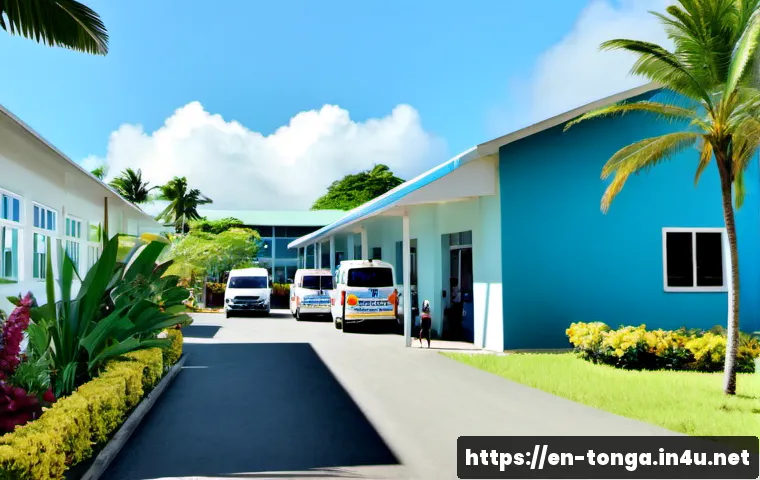
Tonga is an archipelago, meaning getting around involves a mix of flights and boat travel between the main island groups like Tongatapu, Vava’u, and Ha’apai. This might sound daunting, but for a film crew, it also presents unique opportunities. Imagine helicopter shots over pristine waters connecting remote islands, or boat sequences filmed against breathtaking sunsets. The infrastructure is developing, with domestic airlines connecting the main hubs, and a range of local transport options available. While it’s not Hollywood, the charm lies in its simplicity and the genuine willingness of locals to assist. Accessing remote locations often means relying on local knowledge and resources, which I’ve found often leads to unexpected discoveries and a more authentic experience for the crew. Plus, the sheer beauty of the journey itself can be a fantastic perk, reminding everyone involved that they are truly working in paradise, a motivation that often shines through in the final product.
Working with the Community: A Collaborative Approach
One of the most heartwarming aspects of filming in Tonga, based on what I’ve observed, is the incredible spirit of collaboration and hospitality from the local communities. Tongans are incredibly proud of their heritage and welcoming to visitors who show respect for their culture. This means that securing locations, hiring local extras, or even sourcing traditional props often becomes a much smoother, more personal process than in larger, more bureaucratic countries. I’ve heard stories of entire villages coming together to support a film project, offering everything from fresh seafood for the crew to invaluable local insights for the script. This deep level of community engagement not only enriches the filming experience but also ensures that the portrayal of Tonga on screen is authentic and respectful. It truly feels like a partnership, where the film crew becomes part of the wider Tongan family, creating a positive ripple effect that benefits everyone involved and leaves a lasting, positive impression.
The Human Element: Tongan Talent Behind and In Front of the Camera
Beyond the landscapes and culture, the people of Tonga themselves are an incredible resource for the film industry. I’ve always been a strong believer that a film’s heart and soul often come from the individuals who bring it to life, and the warmth, resilience, and inherent charisma of Tongans are undeniable. From skilled craftspeople who can create authentic props and costumes to individuals with a natural on-screen presence, there’s a growing pool of talent waiting to be discovered and nurtured. It’s not just about finding actors; it’s about finding people who understand the rhythm and nuances of Tongan life, who can bring a genuine authenticity to every role, big or small. What I’ve seen is that when productions invest in local talent, the resulting performances are incredibly compelling, imbued with a depth and honesty that captivates audiences. It’s a win-win: local talent gets invaluable experience, and the film gains an irreplaceable layer of authenticity and emotional resonance.
Developing Local Crews and Actors
While the film industry in Tonga is still developing, there’s a clear enthusiasm for learning and participating. I’ve seen small initiatives and workshops aimed at training local individuals in various aspects of filmmaking, from camera operation to sound design and production assistance. The thirst for knowledge and the eagerness to contribute are truly inspiring. For productions considering Tonga, investing in local crew development isn’t just a charitable act; it’s a smart strategic move. These local team members bring invaluable insight into local customs, language, and logistics, making the entire production process smoother and more efficient. Furthermore, when it comes to casting, many Tongans possess a natural grace and expressive quality that translates beautifully on camera, often without extensive prior experience. It’s about spotting that raw talent and giving them the platform to shine, which, in my experience, often leads to some of the most memorable and heartfelt performances in any film.
The Warmth of Tongan Hospitality on Set
I cannot overstate the impact of Tongan hospitality on any film set. It’s not just a polite gesture; it’s a fundamental aspect of their culture. I’ve heard countless anecdotes from film crews about the incredible kindness, generosity, and genuine helpfulness they’ve encountered. From spontaneous offers of fresh fruit to families inviting crew members for dinner, the warmth of the Tongan people creates an incredibly positive and supportive working environment. This level of personal connection and care can significantly boost morale and create a unique bond among the cast and crew, fostering a sense of teamwork that goes beyond mere professional obligation. When people feel genuinely welcomed and appreciated, their work reflects it, leading to a more harmonious production and, ultimately, a better film. This human element, this genuine connection with the local people, is something that truly differentiates filming in Tonga from anywhere else, making it an experience that crews cherish long after the cameras stop rolling.
Discovering New Horizons: Tonga’s Future in Film
As I reflect on Tonga’s cinematic potential, I can’t help but feel incredibly optimistic about its future in the film world. It’s a destination that’s slowly but surely gaining recognition for its unique blend of breathtaking scenery, profound culture, and incredibly welcoming people. I truly believe that as more filmmakers discover this Polynesian gem, we’ll see an exponential increase in the number and diversity of projects choosing Tonga as their backdrop. It’s not just about attracting big-budget Hollywood blockbusters, though I wouldn’t be surprised if one lands here soon. It’s also about fostering independent filmmaking, documentary projects, and even local content creation that can tell Tongan stories to a global audience. The groundwork is being laid, the enthusiasm is palpable, and the world is slowly waking up to the magic that Tonga has to offer. I, for one, am incredibly excited to see what amazing stories unfold on its shores in the years to come.
Promoting Sustainable Film Tourism
One of the crucial aspects of Tonga’s growing film industry is the emphasis on sustainability. I’ve always advocated for responsible tourism and filmmaking, especially in pristine environments like Tonga. The beauty of these islands is their untouched quality, and it’s essential that any film production adheres to strict environmental guidelines to preserve this. Many local initiatives are focused on promoting eco-friendly practices, from waste management to protecting marine ecosystems, and these principles are being integrated into discussions around film permits and logistics. This focus on sustainability not only protects Tonga’s natural treasures but also enhances its appeal to ethical filmmakers and audiences who value responsible production. Imagine a film that not only showcases Tonga’s beauty but also subtly educates viewers on the importance of conservation, creating a positive impact far beyond the screen. This forward-thinking approach ensures that Tonga remains a desirable and viable filming location for generations to come, allowing future storytellers to experience its magic.
The Next Big Story: What Lies Ahead
What I find most exciting about Tonga’s future in film is the untapped potential for new narratives. We’ve seen nature documentaries and some dramatic pieces, but I believe there’s so much more to explore. Imagine a sci-fi epic set on a volcanic island, or a romantic comedy unfolding on a remote Tongan beach. The unique blend of ancient legends, vibrant modern culture, and unparalleled natural beauty offers a limitless wellspring for creative minds. As global audiences increasingly crave authentic, visually stunning content, Tonga stands ready to deliver. I’m constantly on the lookout for emerging talent and innovative concepts, and I have a strong feeling that the next truly groundbreaking film, one that captures the imagination of millions, might just find its perfect home in the heart of the Pacific. The stage is set, the backdrop is magnificent, and the stories are waiting to be told. Keep your eyes peeled; Tonga is about to make its mark on the cinematic world in a very big way.
| Filming Aspect | Tonga’s Unique Offering | Benefit to Production |
|---|---|---|
| Natural Scenery | Volcanic landscapes, pristine beaches, lush rainforests, clear turquoise waters. | Diverse, authentic backdrops reducing need for CGI; stunning natural light. |
| Cultural Authenticity | Rich Polynesian traditions, vibrant music and dance, strong community values. | Deep narrative layers, visually compelling cultural sequences, genuine local feel. |
| Marine Life | Humpback whale migration (July-Oct), diverse coral reefs, shipwrecks. | Unparalleled underwater filming opportunities, unique wildlife interactions. |
| Logistics Support | Developing infrastructure, welcoming government, supportive local communities. | Access to remote, unspoiled locations; strong local collaboration; cost-effectiveness. |
| Talent Pool | Charismatic locals, skilled craftspeople, emerging local artists and actors. | Authentic portrayals, invaluable local insights, potential for fresh faces. |
Wrapping Things Up
Well, friends, as we draw this little journey to a close, I truly hope you’ve caught a glimpse of the extraordinary magic that Tonga offers. It’s more than just a beautiful place on a map; it’s a vibrant, living canvas, brimming with stories waiting to be told. Having explored so many incredible corners of the world through a lens, I can honestly say that Tonga holds a truly special place in my heart for its untouched beauty, rich cultural tapestry, and the genuine warmth of its people. It’s an adventure, a challenge, and an absolute joy for any filmmaker with a vision, and I can’t wait to see the breathtaking narratives that emerge from this Polynesian paradise in the years to come.
Handy Tips for Your Tongan Film Journey
1. Secure Permits Early: Just like anywhere else, filming in Tonga requires the proper permits. Start this process well in advance to avoid any last-minute hiccups. Engaging with the Tongan Film & Creative Industries Office (or similar government body) is your best first step, as they can guide you through the necessary applications and local regulations, ensuring a smooth production.
2. Embrace Local Expertise: Seriously, don’t underestimate the power of local knowledge. Hiring local fixers, guides, and cultural advisors is invaluable. They’ll not only help with logistics but also ensure your project respects Tongan customs and truly captures the essence of the islands, enriching your storytelling immeasurably.
3. Best Time for Whales: If humpback whales are on your shot list, plan your trip between July and October. This is peak season for their migration, offering the highest chances for incredible, responsible in-water encounters that will undoubtedly make for breathtaking footage. Always prioritize ethical viewing practices!
4. Connectivity & Power: While major islands have decent internet and reliable power, venture to the more remote areas and you’ll find things are a bit more rustic. Always come prepared with backup power solutions, satellite communication, and a realistic expectation of connectivity challenges. Think solar chargers and extra batteries!
5. Respect the Culture: Tonga is a deeply traditional and religious country. Dress modestly, especially in villages and on Sundays, and always ask permission before filming individuals or private property. Showing genuine respect for their customs will open countless doors and foster wonderful working relationships, making your entire experience far more rewarding.
Key Takeaways for Future Filming Adventures
In essence, Tonga offers filmmakers an unparalleled combination of truly untouched natural beauty, from dramatic volcanoes to crystal-clear marine sanctuaries, and a rich, authentic cultural tapestry that provides endless storytelling opportunities. The genuine warmth and collaborative spirit of the Tongan people, coupled with the unique advantage of filming humpback whales, make it a destination that goes far beyond just a picturesque backdrop. It’s a place where your creative vision can truly come alive, delivering deeply authentic, visually stunning, and emotionally resonant cinematic experiences. Remember, a little preparation and a lot of respect for the local culture will pave the way for an unforgettable production in this Pacific gem.
Frequently Asked Questions (FAQ) 📖
Q: What kinds of films have actually chosen Tonga as their backdrop, and what makes it such a special canvas for storytellers?
A: Oh, this is such a fun question! When you think of filming locations, Tonga might not be the first place that pops into mind, but believe me, filmmakers who’ve discovered its magic are absolutely captivated.
From what I’ve seen, Tonga offers such a diverse and authentic canvas that it’s attracted a surprisingly wide range of projects. You’ve got incredible nature documentaries, for one.
The BBC’s “Life” series famously filmed its stunning humpback whale segments here, capturing those magnificent creatures in their natural breeding grounds.
And if you’ve ever seen the IMAX 3D film “Humpback Whales,” you know the breathtaking underwater footage they got in Tonga is just unforgettable. It’s truly a diver’s and filmmaker’s paradise for marine life!
But it’s not just about the whales. We’ve seen everything from quirky action-comedies like “Tongan Ninja” to more serious dramas and cultural explorations.
There’s a German film called “Somewhere in Tonga” that really highlights the local scenes and culture, and an anthology film “Vai” that tells stories across several Pacific islands, including Tonga.
Even reality TV shows like “Survivor” have found their ideal, rugged settings here. More recently, I’ve been so excited to see Tongan filmmakers telling their own stories, like the short film “Lea Tupu’anga” which premiered at Sundance, delving into Tongan identity and language, and “Red White and Brass,” a feature film that captures the incredible spirit of the Tongan community around their rugby passion.
What makes it so special, I think, is this unique blend of untouched natural beauty – those dramatic volcanic landscapes, pristine coral reefs, and vibrant green islands – combined with a rich, living culture that truly shines through in every frame.
It’s not a sterile set; it’s a living, breathing story waiting to be told.
Q: Beyond the stunning visuals, what are the practical realities and unique challenges filmmakers encounter when bringing a production to Tonga?
A: That’s a super insightful question, because let’s be real, even the most gorgeous location comes with its own set of practicalities! While Tonga offers unparalleled beauty, it’s not Hollywood, and that’s part of its charm, but also its unique challenge.
From my research and what I’ve heard, one of the main things filmmakers encounter is that Tonga doesn’t have a massive, established film industry infrastructure.
This often means that specialized film crews and a lot of the high-tech equipment usually have to be brought in from abroad. And while costs for local services can be relatively inexpensive, importing goods or paying for international crew travel can certainly add up.
There aren’t currently any major film rebate or incentive programs like you might find in bigger production hubs, so financing usually comes from elsewhere.
Things like extensive casting facilities aren’t really developed either, so sometimes “street casting” is the way to go, which can be an adventure in itself!
However, this perceived “challenge” also translates into a huge advantage: authenticity. Because it’s not over-commercialized, you get genuine, untouched locations that haven’t been seen a thousand times before.
Plus, local fixer services are really growing, helping with everything from navigating permits to connecting productions with local talent and logistics.
So, while you might need a bit more meticulous planning, the payoff in terms of unique visuals and genuine cultural immersion is absolutely worth the extra effort.
Q: How does Tonga’s rich cultural heritage and its incredible marine life, like the humpback whales, inspire unique narratives for the big screen?
A: Oh, this is where Tonga truly shines as a storytelling powerhouse! It’s more than just pretty scenery; it’s a place steeped in history and vibrant life.
Let’s start with the humpback whales – they’re not just a sight to behold; their annual migration to Tonga for mating and birthing is a profound narrative in itself.
Witnessing a mother and calf interaction, or the incredible “heat runs” of males, offers a window into the raw beauty and cycles of nature that touches something deep within us.
Filmmakers often capture this delicate balance, which isn’t just visually stunning but also carries a powerful conservation message. Then there’s the rich Tongan culture.
As the only monarchy in the Pacific, Tonga has a unique history of maintaining its indigenous governance, and this resilience and pride are woven into its people and traditions.
Films like “Lea Tupu’anga” really explore what it means to be Tongan in a modern world, grappling with identity, language, and cultural preservation. Even the re-telling of ancient legends, like the short film “‘Aho’eitu,” brings Tongan mythology to life with local actors, creating stories that resonate deeply with the community and offer outsiders a rare glimpse into Polynesian heritage.
I’ve personally found that the warmth and generosity of the Tongan people, coupled with their strong sense of community and connection to their land and sea, infuse narratives with an authentic human element that’s often missing in more commercialized locations.
It’s this deep well of cultural stories and unparalleled natural wonders that truly elevates Tonga from a beautiful backdrop to an inspiring character in its own right, offering filmmakers powerful, heartfelt narratives that stick with you long after the credits roll.