Tonga’s medical services are concentrated in and around Nuku’alofa, while outer-island care may be more limited. Learn how to choose a hospital or clinic, what costs to confirm, and when travel insurance or evacuation cover matters.
Introduction
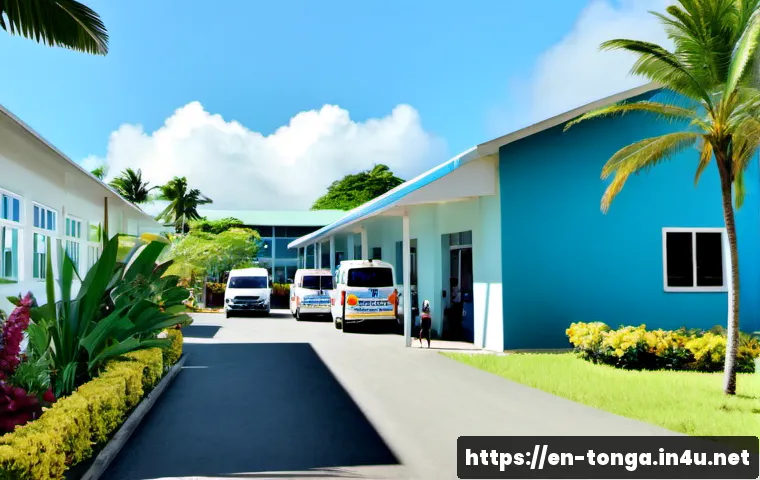
For serious medical needs in Tonga, Vaiola Hospital in Nuku’alofa is widely known as the main public referral hospital. For routine concerns, a private clinic or pharmacy may be more practical, but the right choice depends on urgency, your island location, and available transport.
Medical access can differ greatly between Tongatapu and the outer islands. Travelers should confirm expected payment, insurance arrangements, and the facility’s ability to handle their specific concern before relying on a particular option.
Travel medical insurance can be especially relevant when treatment requires tests, referral care, or medical evacuation. This guide helps visitors, residents, and families compare care options without assuming that a service, specialist, or payment method is available on a given day.
Quick Overview
- For urgent or complex needs, Vaiola Hospital in Nuku’alofa is widely known as Tonga’s main public referral hospital.
- For routine consultations, ask whether a private clinic can assess the issue, provide a referral, and explain payment before treatment.
- For severe or highly specialized cases, review your travel insurance assistance and medical evacuation benefits early.
| Care Option | Likely Use Case | Questions to Ask | Payment Considerations | Transport Need |
|---|---|---|---|---|
| Public hospital | Urgent concerns, referral situations, or care that may need hospital resources | Can this facility manage the concern today? Is a referral needed? What follow-up is required? | Ask about charges, deposits, insurance paperwork, and payment method | Plan how to reach the facility, especially from outside Nuku’alofa |
| Private clinic | Routine consultations and an initial assessment of non-emergency concerns | Is the clinician available? Can tests, prescriptions, or referrals be arranged? | Confirm consultation fees, test charges, and whether payment is made directly | Usually easier when staying near populated areas, but confirm location first |
| Pharmacy | Medication questions and limited support for minor concerns | Is this appropriate for the symptom, or should a clinician assess it? | Ask about medicine cost and available payment methods | Do not rely on a pharmacy when urgent assessment or transport is needed |
| Insurance assistance line | Coverage questions, referral support, reimbursement guidance, or evacuation review | Is direct billing possible? What documents are needed? Is evacuation covered? | Coverage depends on the policy and approval process | May help coordinate options when local care cannot meet a severe need |
Quick Answer: Finding Medical Care in Tonga
Start with the urgency, island location, and available transport
Start with three practical questions: How urgent is the problem? Which island are you on? and how can you reach appropriate care? Tonga is an island nation, and advanced care can vary significantly by island and by transport availability. A facility that is practical in Nuku’alofa may not be equally accessible from an outer island.
Vaiola Hospital is in Nuku’alofa on Tongatapu and is widely known as the country’s main public referral hospital. For a concern that may require hospital-level assessment or referral, confirm the best route to care as soon as possible. Do not assume that a particular test, specialist, bed, or emergency capability will be available without checking.
What travelers should confirm before arriving at a facility
If circumstances allow, call ahead or ask a local host, accommodation provider, or insurer for help confirming the facility location and current process. Ask whether the facility can assess your concern, what identification or records to bring, and whether payment is expected before treatment. If you use travel medical insurance, have your policy details and insurer assistance contact ready.
Hospital, Clinic, or Pharmacy: Which Option Fits the Situation?
Public hospital care and referral situations
A public hospital may be the appropriate starting point when symptoms are urgent, the condition is complex, or a clinician may need hospital resources. In Tonga, Vaiola Hospital is widely known as the main public referral hospital. That does not mean every service or specialist is available at all times, so it is sensible to ask what can be managed locally and whether referral or onward arrangements may be needed.
Travelers should also ask about the likely next step after assessment. It may involve medication, follow-up, a referral, or a different care location. Keep any receipts, clinical notes, and discharge paperwork for insurance reimbursement.
Private clinics for routine consultations
A private clinic can be a useful option for a routine consultation or an initial evaluation when the situation does not appear to require immediate hospital care. Before committing, confirm the clinician’s availability, whether diagnostics can be arranged, and whether the clinic can provide a referral if needed.
Private care is not automatically the best choice for every concern. Compare the clinic’s capability, distance, total expected payment, and the possibility that you may still need hospital assessment afterward.
Pharmacy support and limits for urgent symptoms
A pharmacy may help with medication questions or minor health needs, but it is not a substitute for clinical assessment when symptoms are urgent or worsening. Ask clearly whether the issue should be seen by a clinician instead. If you take regular medicines, bring a written medication list and avoid assuming that the same product or supply will be available locally.
Comparing Costs, Insurance, and Payment Arrangements
Questions to ask about consultation, tests, medicines, and deposits
Current costs can change, and they may depend on residency status, treatment type, and the facility’s payment rules. Before non-emergency care, ask for a clear explanation of likely charges. Useful questions include:
- What is the expected consultation fee?
- Could diagnostics, medicines, admission, or follow-up create separate charges?
- Is a deposit required before treatment or testing?
- Which payment methods are accepted?
- Can the facility provide an itemized receipt or medical report?
Do not rely on older online price lists or another traveler’s bill. Confirm directly with the facility whenever possible.
Travel insurance, direct billing, and reimbursement documentation
Travel medical insurance may help with eligible treatment costs, but direct billing is not something to assume. Ask both the provider and your insurer whether direct billing is available for that facility and that treatment. If you need to pay first, ask what documents are needed for a reimbursement claim.
Keep your policy number, insurer contact details, receipts, prescriptions, test results, referrals, and clinical records together. When comparing travel insurance plans, look beyond the headline medical limit and review the policy wording for payment approval, exclusions, assistance support, and medical evacuation benefits.
Why medical evacuation coverage can matter in remote island travel
Medical evacuation may become relevant when a severe or highly specialized case cannot be managed locally. This is particularly important to consider when traveling outside Tongatapu, where diagnostic equipment, specialist availability, and emergency capacity may be more limited.
Coverage is not a promise that evacuation will be arranged in every situation. The insurer’s assistance team, treating clinicians, transport availability, and policy conditions can all matter. Before travel, compare policies by checking how they describe medical evacuation, assistance coordination, and approval requirements.
Practical Steps Before and During a Hospital Visit
Bring identification, insurance details, medication information, and payment access
Bring photo identification, travel insurance details, a medication list, relevant medical records, and a way to make payment if required. If you have a chronic condition, a short summary of your diagnosis, usual treatment, and prescribing clinician can make communication easier.
Ask about follow-up care, prescriptions, referrals, and records

Before leaving, ask what follow-up is recommended, whether a prescription is needed, and whether you should return to the same facility or seek a referral. Request copies of records and receipts. These documents can support continuity of care and an insurance claim.
Avoiding delays caused by transport or incomplete insurance information
Transport is part of the care plan in Tonga. Consider the time and practical steps needed to reach a facility, particularly when staying away from Nuku’alofa or visiting another island. If insurance assistance may be needed, contact the insurer early rather than waiting until payment or transport becomes more difficult to arrange.
Planning by Location and Health Need
Staying in Nuku’alofa or elsewhere on Tongatapu
Visitors on Tongatapu may have more practical access to Nuku’alofa, where Vaiola Hospital is located. Even so, confirm the facility’s current ability to provide the care you need. For routine concerns, compare a clinic visit with hospital care based on urgency, service capability, distance, and payment expectations.
Visiting outer islands with limited care access
Outer-island travel calls for extra planning. Health facilities may have more limited diagnostic equipment, specialist access, and emergency capacity than those near the capital area. Carry enough of your regular medication, keep insurance contacts accessible, and consider how transport limitations could affect a referral or a serious health event.
Managing chronic conditions, pregnancy, or specialist needs while traveling
Travelers with ongoing health needs should avoid assuming that specialist services or familiar medicines can be arranged quickly. Discuss travel plans with an appropriate clinician before departure, carry relevant records, and check insurance conditions that may affect pre-existing conditions, pregnancy-related care, or specialist treatment. The goal is not to predict a problem, but to reduce avoidable delays if care is needed.
Selection Criteria and Comparison Summary
Choose care based on urgency, local capability, travel distance, transport options, and total out-of-pocket risk. A hospital may be more suitable for urgent or referral-level needs, while a clinic may suit a routine consultation if it can handle the concern. A pharmacy can support limited needs, but it should not delay assessment when symptoms require clinical care.
Before You Commit to Care
Use this short checklist before choosing a facility or relying on an insurance plan:
- Confirm whether the facility can assess the specific concern today.
- Ask about consultation, diagnostics, medication, deposit, and follow-up costs.
- Check whether your insurer requires prior contact or approval.
- Confirm whether direct billing is available or whether you must pay and claim later.
- Review medical evacuation wording if you will travel to outer islands or may need specialist care.
Compare travel medical insurance and evacuation benefits by reviewing the insurer’s official policy details and assistance process before relying on coverage.
Final Thoughts
Medical planning in Tonga is mainly about matching the level of care to the location and the urgency of the situation. Vaiola Hospital in Nuku’alofa is a key reference point for public referral care, while clinics and pharmacies may have roles in less urgent situations. Confirming costs, payment arrangements, and transport options early can make a difficult situation more manageable. For travelers, insurance assistance and evacuation cover are worth reviewing before an urgent decision is required.
Useful Information to Keep in Mind
Keep documents accessible: Store insurance details, identification, medication information, and important medical records in a form you can access while traveling.
Check locally, not just online: Operating hours, service availability, specialist schedules, and payment practices require current confirmation.
Plan for distance: On an island itinerary, the time needed to reach care can matter as much as the name of the facility.
Important Notes
This information is for general travel and care-planning purposes, not medical advice. Current prices, bed availability, diagnostic capability, referral rules, transport arrangements, and insurer billing relationships should be confirmed directly with the relevant facility, transport provider, or insurer. Insurance coverage depends on the individual policy and its terms.
Frequently Asked Questions
Q1. What is the main hospital in Tonga for serious medical care?
A1. Vaiola Hospital in Nuku’alofa, Tongatapu, is widely known as Tonga’s main public referral hospital. For a current assessment of services, availability, and the appropriate arrival process, contact the facility or seek local guidance before traveling there when possible.
Q2. Should visitors buy travel insurance with medical evacuation coverage for Tonga?
A2. It is worth considering, especially because advanced care can vary by island and severe or highly specialized cases may require treatment that cannot be managed locally. Compare policy wording for medical treatment, assistance coordination, exclusions, payment approval, and medical evacuation rather than relying on a general coverage description.
Q3. How can I confirm hospital or clinic costs before receiving treatment in Tonga?
A3. Ask the facility about the consultation charge, possible diagnostic and medicine costs, deposits, accepted payment methods, and documentation for insurance claims. If you have travel medical insurance, also ask your insurer whether direct billing is available or whether you will need to pay first and request reimbursement.