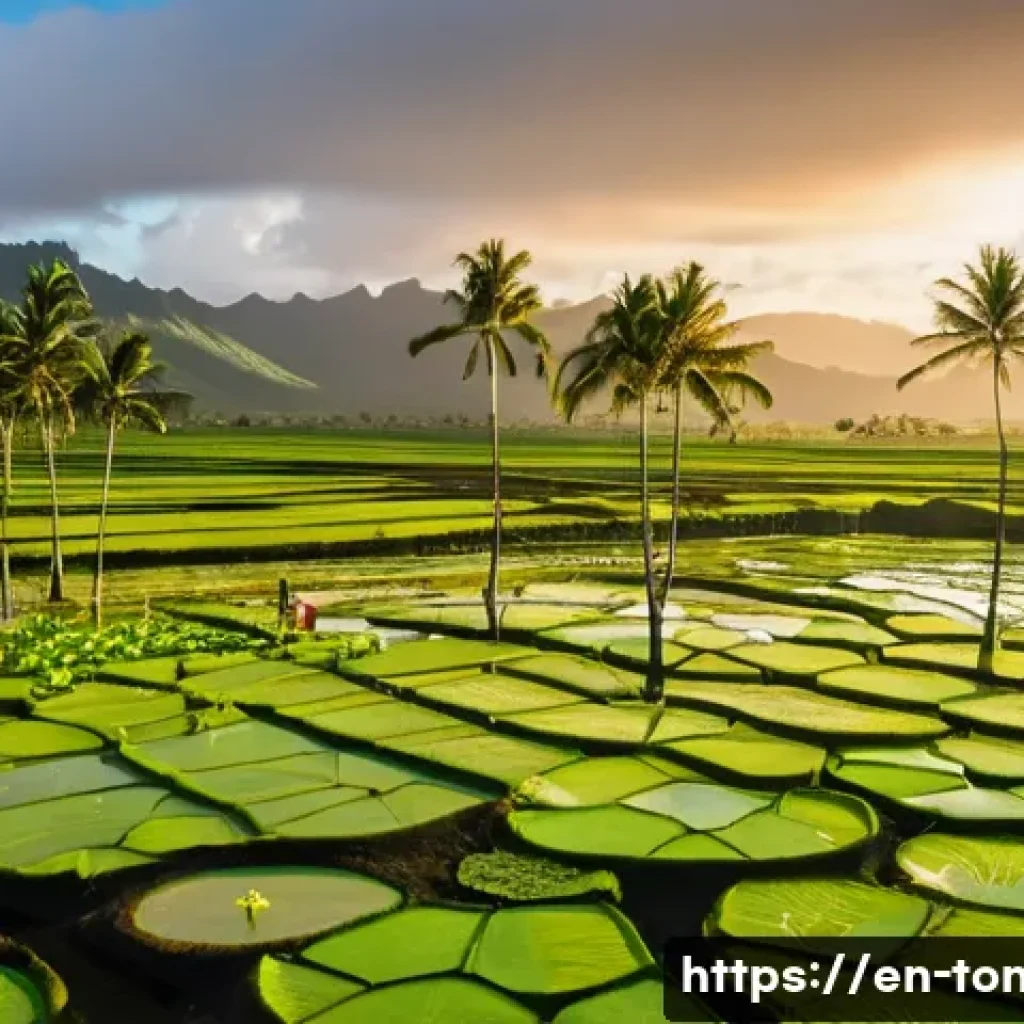
Tonga’s fertile volcanic soil and tropical climate create the perfect environment for cultivating a variety of unique crops that are deeply rooted in the island’s culture and daily life.
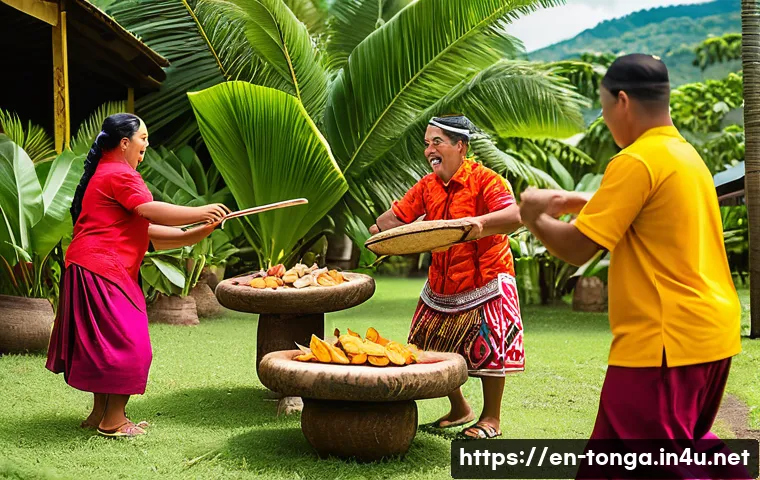
From starchy staples like taro and yams to sweet, juicy fruits such as bananas and pineapples, the agricultural bounty here reflects both tradition and resilience.
These special products not only sustain local communities but are also gaining attention worldwide for their natural flavors and health benefits. Exploring Tonga’s agricultural heritage offers a fascinating glimpse into how island life thrives in harmony with nature.
Let’s dive in and discover what makes Tonga’s produce so remarkable!
Island-Grown Roots: The Backbone of Tongan Cuisine
The Role of Taro in Daily Life
Taro is more than just a root vegetable in Tonga; it’s a cultural cornerstone. I’ve often heard locals describe it as the “staff of life” because it appears on nearly every traditional plate.
What’s fascinating is the method of cultivation—grown in wetland patches that require careful irrigation, taro farming is a delicate balance between nature and human skill.
When cooked, taro’s texture becomes creamy and slightly sticky, making it a perfect complement to rich, savory dishes. From my experience tasting taro prepared in different homes, each family has its own subtle twist, whether mashed, boiled, or wrapped in leaves and roasted underground, known as ‘umu’.
It’s this versatility that keeps taro integral to Tongan meals and celebrations alike.
Yams: More Than Just a Side Dish
Yams in Tonga are not only a staple food but also hold ceremonial importance. They are often given as gifts during important events or used in rituals that honor ancestors.
The varieties grown locally can be quite large and come with a robust, earthy flavor that I found surprisingly satisfying. What struck me during visits to rural farms was the pride farmers take in yam cultivation; the care and patience required to grow them over months truly reflect in their quality.
They are usually boiled or roasted and paired with coconut cream or local seafood, creating a hearty and nutritious meal that sustains islanders through busy days.
Sweet Potatoes: A Tasty and Nutritious Alternative
Sweet potatoes are another root crop thriving in Tonga’s fertile soil. Their natural sweetness contrasts beautifully with the savory flavors common in Tongan cuisine.
I noticed that sweet potatoes are often used in both everyday dishes and festive meals, highlighting their importance. Farmers told me they prefer certain varieties for their higher yield and resistance to pests, which is crucial given the island’s climate challenges.
When roasted or mashed, sweet potatoes provide a comforting texture that’s both filling and energizing, making them a favorite among locals and visitors alike.
Fruits That Capture the Island’s Vibrancy
Bananas: From Snack to Staple
Bananas grow abundantly throughout Tonga, and their varieties range from tiny finger bananas to larger, starchier types used in cooking. I remember tasting freshly picked bananas that burst with sweetness unlike anything in grocery stores back home.
Besides being a convenient snack, bananas are incorporated into desserts and savory dishes, sometimes even fried to add texture. Their nutritional value and year-round availability make them a reliable food source, especially in remote areas where access to imported goods is limited.
Pineapples: Sweetness with a Tropical Punch
Tongan pineapples are famously sweet and juicy, thanks to the volcanic soil that provides rich minerals. I visited a small pineapple farm where the owner explained how the unique climate—warm days and cool nights—helps concentrate the sugars in the fruit.
This natural sweetness makes Tongan pineapples popular not just locally but increasingly in international markets. They’re eaten fresh, juiced, or used in traditional cooking, adding a refreshing contrast to heavier dishes.
Coconuts: The Versatile Island Resource
Coconuts are everywhere in Tonga, and their uses go far beyond just providing coconut water or milk. I was amazed to see how every part of the coconut tree is utilized—from the husks used for fuel or crafts to the leaves woven into roofing materials.
In the kitchen, coconut milk and cream are staples that add richness to many dishes. The creamy texture and subtle sweetness transform simple ingredients into flavorful meals.
Coconuts also play a role in local medicine and beauty practices, showing how deeply embedded they are in island life.
Traditional Farming Practices Preserving Island Ecosystems
Balancing Crop Cultivation and Nature
Tongan farmers have long practiced sustainable farming methods that honor the land’s natural cycles. During my time in Tonga, I observed how crop rotation and intercropping help maintain soil fertility and reduce pest outbreaks without relying on chemical inputs.
These traditional techniques not only protect the environment but also ensure long-term food security for the community. It’s impressive how such time-tested knowledge still thrives today, supported by local wisdom and a deep respect for nature.
Community Involvement in Agriculture
Agriculture in Tonga is often a communal affair, where families and neighbors come together to plant, harvest, and share the bounty. I joined a community harvest once and was struck by the spirit of cooperation and mutual support.
This social aspect of farming strengthens bonds and ensures that everyone benefits from the land’s productivity. Moreover, community-based farming helps preserve indigenous crop varieties that might otherwise be lost to modern agricultural practices.
Challenges and Innovations in Island Farming
Despite the rich resources, Tongan farmers face challenges like climate change, soil erosion, and limited access to modern technology. However, I learned about inspiring initiatives where locals combine traditional knowledge with innovative solutions such as rainwater harvesting and organic pest control.
These efforts aim to boost yields while preserving the delicate island ecosystem. It’s a testament to the resilience and adaptability of Tongan agriculture in the face of global environmental changes.
Unique Flavors and Health Benefits of Tongan Crops
Nutritional Profiles That Support Island Health
The crops grown in Tonga aren’t just delicious—they’re packed with nutrients vital for a healthy lifestyle. Taro and yams provide complex carbohydrates and fiber, essential for sustained energy.
Fruits like bananas and pineapples offer vitamins, antioxidants, and natural sugars that support immune function and digestion. From personal experience, incorporating these foods into daily meals gave me a noticeable boost in energy and well-being, which locals attribute to their balanced diet rooted in fresh, natural produce.
Medicinal Uses of Traditional Crops
Many of Tonga’s crops have traditional medicinal applications passed down through generations. For instance, coconut oil is widely used for skin ailments and as a natural moisturizer.
Some root vegetables are believed to aid digestion and reduce inflammation. I had conversations with local healers who emphasized how these natural remedies complement modern medicine, highlighting a holistic approach to health that integrates food and healing.
Export Potential and Global Recognition
Tonga’s agricultural products are gradually gaining recognition beyond the Pacific. The unique flavors and organic qualities appeal to health-conscious consumers worldwide.
Pineapples and bananas, in particular, are beginning to enter export markets, offering economic opportunities for local farmers. Supporting these exports not only boosts Tonga’s economy but also raises awareness of the island’s rich agricultural heritage and sustainable farming practices.
Integrating Agriculture into Tourism and Local Economy
Agritourism: Sharing Tongan Farming Culture
Visitors to Tonga increasingly seek authentic experiences, and agritourism offers a window into traditional farming life. I participated in farm tours where guides explained planting techniques and culinary uses of crops.
These tours provide income for farmers and educate tourists about the island’s deep connection to the land. It’s a win-win that helps preserve cultural heritage while supporting sustainable livelihoods.
Farm-to-Table Dining Experiences
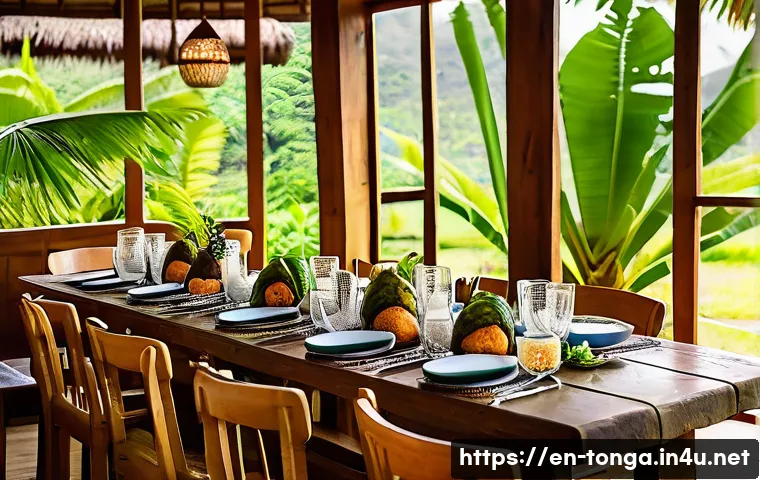
Local restaurants are embracing farm-to-table concepts, sourcing ingredients directly from nearby farms. I enjoyed meals where the freshness of the produce was unmistakable, with dishes highlighting the natural flavors of taro, yams, and tropical fruits.
This approach not only enhances the dining experience but also reduces food miles and supports local producers, making the food system more resilient and community-focused.
Empowering Small-Scale Farmers
Efforts to strengthen Tonga’s agricultural sector often focus on empowering small-scale farmers through training, access to markets, and cooperative models.
I met farmers who shared how such programs helped them improve yields and incomes. Empowerment initiatives foster economic independence and encourage younger generations to continue farming traditions, ensuring the future vitality of Tonga’s agricultural landscape.
Summary of Key Tongan Crops and Their Characteristics
| Crop | Primary Use | Flavor Profile | Cultural Significance | Health Benefits |
|---|---|---|---|---|
| Taro | Staple food, boiled or roasted | Creamy, slightly sticky | Essential in ceremonies and daily meals | High in fiber and carbohydrates |
| Yams | Boiled, roasted, ceremonial gift | Earthy, robust | Symbol of prosperity and respect | Rich in complex carbs and vitamins |
| Sweet Potatoes | Snack or side dish | Sweet, soft texture | Common in festive dishes | Good source of vitamins A and C |
| Bananas | Fresh snack, desserts | Sweet, tropical | Widely consumed daily | Potassium-rich, energy booster |
| Pineapples | Fresh, juiced, cooking | Sweet, tangy | Increasingly exported | High in antioxidants and vitamin C |
| Coconuts | Milk, oil, crafts | Creamy, mildly sweet | Integral to island lifestyle | Healthy fats, skin benefits |
The Cultural Heartbeat Behind Tongan Agriculture
Tradition Passed Through Generations
One of the most moving aspects of Tongan agriculture is how it embodies a living tradition. Families pass down farming knowledge and recipes through stories and hands-on teaching.
I witnessed elders patiently guiding young ones in planting techniques and cooking methods, a ritual that strengthens identity and community ties. This cultural continuity ensures that agriculture remains not just a livelihood but a source of pride and belonging.
Festivals Celebrating the Harvest
Harvest festivals in Tonga are vibrant celebrations filled with music, dance, and feasting. These events honor the hard work of farmers and the gifts of the land.
I had the chance to join one such festival, where the air buzzed with excitement and gratitude. Sharing dishes made from freshly harvested taro, yams, and fruits created a communal spirit that felt deeply connected to the island’s natural rhythms.
The Spiritual Connection to the Land
For many Tongans, agriculture is intertwined with spirituality. The land is seen as a living entity deserving respect and care. Rituals often accompany planting and harvesting, reflecting beliefs in harmony between humans and nature.
This spiritual approach influences how the environment is treated, promoting sustainable practices that honor both ancestors and future generations.
Future Prospects: Sustaining Tonga’s Agricultural Legacy
Adapting to Climate Realities
As climate change impacts weather patterns and sea levels, Tonga’s agriculture faces significant challenges. I spoke with local experts who emphasized the urgency of adapting farming methods to ensure resilience.
Strategies include developing drought-resistant crops, improving water management, and diversifying production. These adaptations aim to protect food security while respecting the island’s ecological balance.
Leveraging Technology for Growth
While tradition is central, technology offers promising tools to enhance productivity and sustainability. Farmers are beginning to use mobile apps for weather forecasts and market prices, helping them make informed decisions.
Training programs introduce modern techniques without undermining cultural practices. This blend of old and new creates a dynamic agricultural sector ready to meet future demands.
Encouraging Youth Participation
A critical factor for the future is engaging young Tongans in agriculture. Many young people are drawn to urban life or overseas opportunities, risking the loss of farming knowledge.
Initiatives that make agriculture appealing through education, innovation, and entrepreneurship are vital. During my visits, I met inspiring young farmers who are passionate about combining tradition with modern business ideas, signaling hope for the continuation of Tonga’s rich agricultural heritage.
Conclusion
Tongan agriculture is a vibrant blend of tradition, community, and innovation that sustains both the island’s culture and its people. The deep connection to the land, passed down through generations, creates a unique food heritage rich in flavor and meaning. As Tonga faces future challenges, the resilience and adaptability of its farmers offer hope for continued prosperity. Experiencing this firsthand reveals how food can truly embody identity and sustainability.
Useful Information to Keep in Mind
1. Taro, yams, and sweet potatoes are the foundational crops of Tongan cuisine, each offering unique flavors and nutritional benefits that support daily life and celebrations.
2. Fruits like bananas, pineapples, and coconuts not only add vibrant flavors but also provide essential vitamins and healthy fats crucial for island health.
3. Traditional farming methods emphasize sustainability, community involvement, and respect for natural cycles, helping preserve the environment and food security.
4. Agritourism and farm-to-table initiatives are growing in Tonga, creating opportunities for economic development while sharing local culture with visitors.
5. Challenges such as climate change and youth migration are met with innovative adaptations and educational efforts, ensuring the future of Tongan agriculture remains strong.
Key Takeaways
The heart of Tongan agriculture lies in its balance of tradition and innovation, where age-old practices meet modern solutions to address environmental and social challenges. Community cooperation and cultural pride play vital roles in sustaining farming traditions. Nutrient-rich crops and versatile fruits not only nourish the body but also embody the island’s identity. Supporting local farmers through education, technology, and tourism helps secure Tonga’s agricultural legacy for generations to come.
Frequently Asked Questions (FAQ) 📖
Q: What makes Tonga’s volcanic soil ideal for growing crops like taro and yams?
A: Tonga’s volcanic soil is incredibly rich in minerals and nutrients, which creates a fertile ground perfect for cultivating root crops like taro and yams.
This type of soil retains moisture well, essential for these starchy staples, and supports healthy plant growth without the heavy use of fertilizers. From my experience, farmers in Tonga rely on this natural fertility, which helps maintain sustainable agriculture and keeps the produce flavorful and nutritious.
Q: How do Tonga’s tropical climate and environment influence the types of fruits grown there?
A: The warm, humid tropical climate of Tonga provides an ideal setting for growing a variety of tropical fruits such as bananas, pineapples, and papayas.
The consistent sunshine and regular rainfall create the perfect balance needed for these fruits to develop their sweet and juicy flavors. Having visited tropical farms myself, I noticed how these conditions allow fruits to ripen naturally on the trees, enhancing their taste and nutritional value without artificial interventions.
Q: Why are Tonga’s agricultural products gaining international attention recently?
A: Tonga’s agricultural products are gaining global recognition because of their natural flavors, health benefits, and sustainable cultivation methods. Consumers worldwide are increasingly seeking organic, nutrient-rich foods, and Tonga’s produce fits perfectly into this trend.
Additionally, the cultural heritage tied to these crops adds a unique story that resonates with people looking for authentic, island-grown foods. From what I’ve observed, this growing interest is opening new markets and opportunities for Tongan farmers, boosting both local economies and cultural pride.