As a seasoned English blog influencer, I’ve always been captivated by the rich tapestry of human history, especially how island nations, seemingly isolated, have navigated the tumultuous currents of time.
Tonga, often celebrated as the “Friendly Islands” by Captain Cook himself, holds a particularly fascinating story. It’s truly a testament to resilience, leadership, and a unique ability to maintain sovereignty when so many others succumbed to colonial powers.
Imagine, a proud Polynesian kingdom with a continuous monarchical line dating back centuries, weathering fierce internal conflicts and the encroaching ambitions of European nations!
I’ve personally found that diving into Tonga’s past isn’t just about dates and names; it’s about understanding the very spirit of a people who have fiercely guarded their identity.
From ancient dynastic shifts and civil wars that reshaped the island’s political landscape to the intricate dance with foreign powers like Britain and Germany in the 19th and 20th centuries, their journey is incredibly compelling.
It makes you wonder how such a small archipelago managed to carve out such a distinct destiny. If you’ve ever pondered the power of enduring culture and strategic diplomacy in the face of global change, Tonga’s story offers some profound insights.
Let’s delve into the remarkable historical events and disputes that shaped this extraordinary Pacific nation!
The Enduring Heart of Polynesia: Unveiling Tonga’s Ancient Monarchies
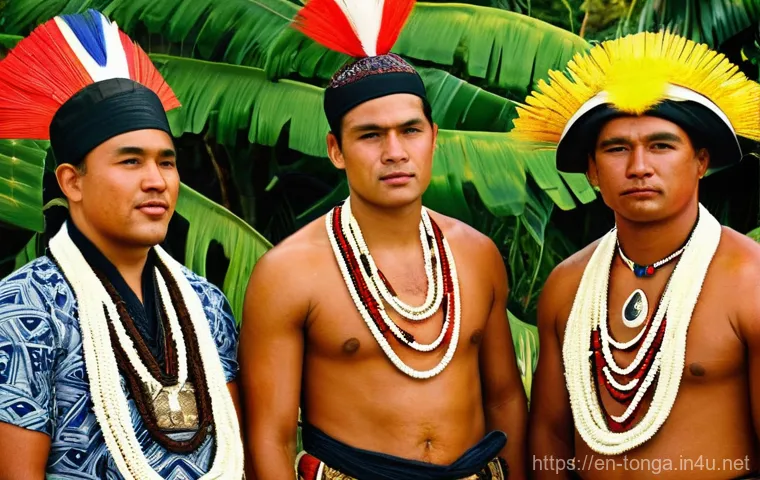
Stepping back into the mists of time, it’s truly astounding to think about the deep roots of Tongan society. I’ve always been fascinated by how these islanders managed to develop such a sophisticated political system so early on. It wasn’t just a collection of scattered tribes; we’re talking about a highly organized society with a powerful lineage of kings, the Tu’i Tonga, whose influence spread far beyond their immediate shores. Imagine the sheer ingenuity and leadership required to establish such a dynasty, one that would shape the destiny of an entire archipelago for centuries. For me, exploring this era feels like uncovering the very DNA of a nation, understanding how its core values and societal structures were first laid down. It’s a powerful reminder that complex civilizations weren’t exclusive to the ‘Old World’ – the Pacific held its own incredible stories of ambition, governance, and cultural richness. The oral traditions and archaeological finds paint a vivid picture of a hierarchical society, masterful navigators, and skilled builders, whose legacy still resonates in modern Tonga. It really puts into perspective the incredible journey these people have undertaken, holding onto their heritage with such fierce pride.
The Dawn of the Tu’i Tonga Dynasty
The origins of the Tu’i Tonga dynasty, believed to have begun around 950 AD with ‘Aho’eitu, are shrouded in tales that blend myth with historical fact, making them all the more captivating. It’s a narrative I’ve personally found incredibly engaging, like reading an ancient epic. These early rulers weren’t just figures on a throne; they were powerful spiritual and political leaders who commanded immense respect and fear. Their reach extended across the central Pacific, creating a maritime empire that connected distant islands through trade, tribute, and sometimes, conquest. When I think about what it must have taken to govern such a widespread domain without modern communication, it truly boggles the mind! We’re talking about a vast network of islands, all looking to the Tu’i Tonga for leadership. This period speaks volumes about the incredible navigational skills and sophisticated understanding of ocean currents that these Polynesians possessed, allowing them to traverse vast distances and exert their authority. It highlights a period where Tonga was a dominant force, shaping the political and cultural landscape of the region in ways that are still being discovered and appreciated today.
From Sacred Kingship to Secular Power
As the centuries unfolded, the role of the Tu’i Tonga evolved, a shift that I find particularly insightful for understanding political dynamics. Initially, the Tu’i Tonga held both sacred and secular authority, but as the empire expanded and became more complex, managing daily affairs grew increasingly challenging. This led to a fascinating division of power. Around the 15th century, the spiritual duties remained with the Tu’i Tonga, while a new line of chiefs, the Tu’i Ha’atakalaua, took over the secular governance. Later, another lineage, the Tu’i Kanokupolu, emerged, gradually becoming the most powerful secular rulers. It’s a testament to the adaptability of Tongan leadership, demonstrating a pragmatic approach to governance that allowed for specialization and stability. Personally, I see this as a brilliant political maneuver, diffusing potential conflicts and ensuring the long-term viability of the ruling structure. This separation allowed the revered Tu’i Tonga to maintain their spiritual significance while the practicalities of ruling were handled by capable administrators, a dynamic that profoundly shaped Tonga’s internal political landscape for generations and set the stage for future developments.
Clash of Worlds: Tonga’s Encounters with European Exploration
Imagine being on an isolated island for centuries, with your own vibrant culture and established ways, and then suddenly, ships from a completely different world appear on your horizon. That’s exactly what happened to Tonga when European explorers began to “discover” the Pacific. It’s a moment in history that I find truly captivating, fraught with both curiosity and potential peril. The first recorded European sighting was by the Dutch navigator Willem Schouten and Jacob Le Maire in 1616, followed by Abel Tasman in 1643, who famously named some of the islands. But it was Captain James Cook, in the late 18th century, who truly put Tonga on the European map, dubbing it the “Friendly Islands.” This name, while picturesque, masks the complex and often tense interactions that followed. I’ve often wondered what those first encounters must have truly felt like for both sides, a mixture of wonder, apprehension, and perhaps a touch of misunderstanding. These interactions weren’t just about trade; they were about the collision of vastly different worldviews, technologies, and intentions, setting the stage for future relationships that would test Tonga’s sovereignty to its core.
Captain Cook and the “Friendly Islands” Label
Captain Cook’s visits between 1773 and 1777 were pivotal in shaping Tonga’s external image, but the moniker “Friendly Islands” is a story in itself. While Cook and his crew generally experienced hospitality, there are accounts suggesting that some Tongan chiefs, particularly those of the Tu’i Kanokupolu line, considered an attack on Cook’s party during one of their feasts. This hidden intent, ultimately aborted, makes the “friendly” label a rather ironic, perhaps even poignant, historical footnote. It’s a detail I always bring up when discussing Tonga, as it vividly illustrates the nuanced reality of those initial cross-cultural encounters. It wasn’t just simple friendship; there were complex political motivations, power struggles among chiefs, and strategic calculations at play. These interactions, while often peaceful, laid the groundwork for future European interest and the eventual rise of missionary influence, irrevocably altering the social and religious fabric of the islands. It makes you realize that history is rarely as straightforward as the convenient labels we sometimes assign to it.
The Arrival of Missionaries and Seeds of Change
The turn of the 19th century brought a new wave of Europeans to Tonga: the missionaries. This was perhaps the most profound external influence on Tongan society before full colonization attempts. The London Missionary Society arrived first, followed by the Wesleyans, whose efforts proved particularly successful. I find this period incredibly compelling because it wasn’t just about religious conversion; it was about a fundamental shift in culture, law, and even political structure. The missionaries brought not only Christianity but also literacy, Western legal concepts, and new technologies. They inadvertently became powerful political players, often mediating between rival Tongan chiefs and subtly influencing the political landscape. Personally, I see this as a critical turning point where traditional Tongan systems began to intertwine with, and sometimes clash against, European ideals. It’s a complex legacy, one that saw the adoption of new beliefs but also the erosion of some ancient customs, creating a unique synthesis that defines Tongan identity even today. The zeal of these early missionaries and the receptiveness, or sometimes resistance, of the Tongan people makes for a truly dramatic chapter in their history.
The Forging of a Modern Kingdom: King George Tupou I’s Legacy
If you’re looking for a true nation-builder, King George Tupou I is an absolute titan in Tongan history. I’ve always been so impressed by his vision and sheer determination. Born Tāufaʻāhau, he rose through the ranks of the Tu’i Kanokupolu chiefs amidst a period of intense civil strife and foreign meddling in the early to mid-19th century. Imagine the immense pressure and challenges he faced – warring factions, the burgeoning influence of European powers and missionaries, and the urgent need to unite a fragmented archipelago. His leadership was not just about military prowess, though he certainly had that; it was about strategic diplomacy, a keen understanding of both Tongan tradition and Western concepts of governance. He managed to consolidate power, end the civil wars, and, most importantly, secure Tonga’s independence at a time when nearly every other Pacific island nation was succumbing to colonial rule. Personally, I think his story is a powerful testament to what visionary leadership can achieve even in the most tumultuous times. He didn’t just unify the islands; he laid the foundations for a sovereign nation that would withstand the test of time.
Uniting the Isles: Ending Civil Strife
The early 19th century in Tonga was a period of intense internal conflict, often dubbed the ‘Tongan Civil Wars.’ Rival chieftaincies, particularly the Tu’i Tonga, Tu’i Ha’atakalaua, and Tu’i Kanokupolu lines, battled for supremacy, plunging the islands into decades of instability. It was into this tumultuous environment that Tāufaʻāhau, later King George Tupou I, emerged as a dominant force. I can only imagine the chaos and uncertainty of those years, families and communities torn apart by loyalties and conflict. His military victories, particularly at the Battle of Velata in 1826 and his subsequent campaigns, were crucial in bringing an end to this period of internecine warfare. More than just a warrior, he was a political genius, skillfully negotiating alliances and utilizing missionary influence to his advantage. This era, in my opinion, highlights the incredible resilience of the Tongan people and the transformative power of a leader who could envision a unified future beyond the immediate rivalries. He didn’t just win battles; he won the peace, paving the way for a single, consolidated kingdom.
The Constitution and Enduring Independence
Perhaps King George Tupou I’s most enduring legacy, and one that truly sets Tonga apart, is the establishment of its modern constitutional monarchy and, critically, the preservation of its independence. In 1875, he promulgated the first Constitution of Tonga, a groundbreaking document that established a framework of government based on Western models, including a Privy Council, Cabinet, and Legislative Assembly, while enshrining the monarch’s role. This wasn’t just a symbolic gesture; it was a strategic move that presented Tonga as a legitimate, organized state to the encroaching colonial powers. I find it absolutely remarkable that while nearly all its neighbors became colonies or protectorates, Tonga managed to maintain its sovereignty through this combination of astute diplomacy, strong leadership, and the adoption of a recognizable legal framework. It’s a point of immense national pride for Tongans, and rightly so. This era is a shining example of how a small nation, through savvy political maneuvering and a strong sense of self, can navigate the treacherous waters of global power dynamics and secure its own destiny.
The Kingdom’s Resilience: Navigating Colonial Pressures
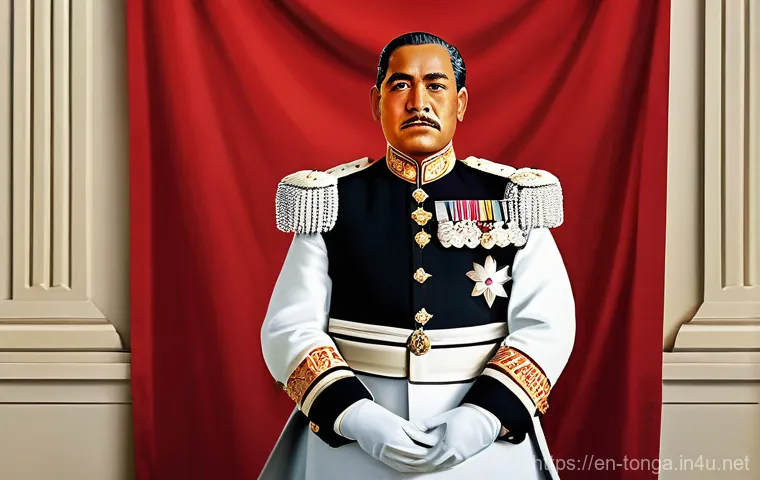
The late 19th and early 20th centuries presented an existential threat to Tonga. With European powers carving up the Pacific, it felt like an inevitable fate for every island nation to lose its sovereignty. Yet, Tonga defied these odds, a feat that I find endlessly fascinating and truly inspiring. The British, Germans, and Americans all had their eyes on the “Friendly Islands” for strategic and economic reasons. Imagine being a small kingdom, trying to hold your ground against these global giants, each with their own powerful navies and vast colonial empires! It was a delicate dance, requiring incredible diplomatic skill and an unwavering commitment to self-determination from the Tongan monarchs. They weren’t just passively resisting; they were actively engaging, forming treaties, and strategically playing one power against another. This period is a powerful illustration of Tongan resilience, showing how a nation can, against seemingly insurmountable odds, maintain its unique identity and political freedom. It makes you appreciate the legacy they built, a foundation strong enough to weather even the fiercest geopolitical storms.
Treaties and Protectorate Status: A Strategic Compromise
In the face of relentless colonial pressure, Tonga made a calculated move to secure its future: entering into treaties with various European powers. The most significant was the Treaty of Friendship with Great Britain in 1900. While this treaty established Tonga as a British protectorate, it was a distinctly different arrangement from outright colonization. Tonga retained its indigenous government, its monarchy, and its independence in domestic affairs. This distinction is crucial, and it’s a point I always emphasize when discussing this period. It wasn’t a surrender; it was a strategic compromise that allowed Tonga to safeguard its internal autonomy while leveraging British protection against other encroaching powers. Personally, I see this as a masterstroke of diplomacy, a way to navigate a perilous geopolitical landscape without losing the very essence of nationhood. It highlights the astute leadership of the Tongan monarchs who understood that a strategic alliance could be the key to long-term survival in a world dominated by imperial ambitions. This period showcases a remarkable ability to adapt and negotiate under immense pressure.
Maintaining Identity Amidst External Influence
Even under protectorate status, Tonga fiercely guarded its cultural identity and internal governance. The British Resident, while influential, did not directly administer the country. Tongan laws, customs, and the monarchy continued to hold sway. This is a detail I find particularly powerful, demonstrating the deep-seated pride and cultural strength of the Tongan people. They weren’t simply adopting foreign ways; they were integrating what they found useful while holding firm to their heritage. Education, though influenced by Western models, continued to impart Tongan values. The language remained vibrant, and traditional practices, while sometimes clashing with missionary teachings, largely endured. It’s a testament to the resilience of a culture that refused to be subsumed. Personally, I believe this unwavering commitment to their unique identity was a major factor in Tonga’s ability to emerge from the colonial era as a truly independent nation, rather than just another former colony struggling to find its voice. It’s a powerful lesson in cultural preservation and national determination.
| Year(s) | Key Historical Event / Dynasty | Significance |
|---|---|---|
| c. 950 AD | Founding of Tu’i Tonga Dynasty | Establishment of Tonga’s first major ruling lineage and a vast maritime empire across the Pacific. |
| 15th Century | Rise of Tu’i Ha’atakalaua Dynasty | Shift of secular power from Tu’i Tonga, establishing a new line of administrative chiefs. |
| 17th-18th Centuries | Rise of Tu’i Kanokupolu Dynasty | Emergence of the most powerful secular chieftaincy, culminating in the unification of Tonga. |
| 1616 | First European Sighting | Dutch navigators Schouten and Le Maire spot parts of Tonga. |
| 1773-1777 | Captain Cook’s Visits | Cook names Tonga the “Friendly Islands,” bringing it to European attention. |
| Early 19th Century | Tongan Civil Wars | Period of intense internal conflict between rival chieftaincies. |
| 1845 | Tāufaʻāhau becomes King George Tupou I | Unification of Tonga under a single monarch, ending civil wars. |
| 1875 | Promulgation of the Tongan Constitution | Establishment of a constitutional monarchy, securing Tonga’s independence. |
| 1900 | Treaty of Friendship with Great Britain | Tonga becomes a British protectorate, maintaining internal self-governance. |
| 1970 | Full Independence from Britain | Tonga regains full sovereign control, becoming a member of the Commonwealth. |
The 20th and 21st Centuries: Adaptations and Assertions
As Tonga entered the 20th century, its unique status as a protected but internally self-governing kingdom set it apart from its fully colonized neighbors. It was a period of careful navigation, where the monarchs and the people had to balance traditional ways with the inexorable march of global change. I often reflect on how challenging that must have been, to selectively adopt certain aspects of modernity while fiercely protecting their heritage. The two World Wars, though distant, still had an impact, pulling Tonga into broader global conflicts and demonstrating its loyalty to the Allied cause. Post-war, the winds of decolonization swept across the globe, and Tonga, already largely self-governing, was well-positioned to reassume full independence without the often-violent struggles seen elsewhere. It’s a remarkable testament to the foresight of King George Tupou I and his successors that they built a nation strong enough to smoothly transition into full sovereignty in the modern era, truly making their own way in the world. This era is about continuing to assert its unique place on the world stage.
Reclaiming Full Sovereignty and Global Engagement
The mid-20th century brought a new chapter for Tonga as the British Empire gradually wound down. In 1970, Tonga officially regained full sovereign control, ending its protectorate status and re-emerging as a completely independent nation on the world stage. It wasn’t a violent struggle or a dramatic revolution; it was a carefully negotiated transition, a testament to the strong foundations laid by King George Tupou I and the subsequent monarchs. I remember reading about this moment and feeling a profound sense of admiration for how gracefully Tonga managed this process, unlike so many other nations. Since then, Tonga has actively engaged with the international community, joining the Commonwealth, the United Nations, and various regional organizations. It has asserted its voice on issues ranging from climate change to marine conservation, proving that even a small island nation can have a significant impact. This period showcases Tonga’s continued evolution, balancing its ancient traditions with the demands and opportunities of modern global participation, a truly dynamic journey.
Modern Challenges and the Future of a Kingdom
In the 21st century, Tonga, like many Pacific island nations, faces a new array of complex challenges, primarily centered around climate change and economic development. The rising sea levels and increased frequency of extreme weather events pose an existential threat to low-lying islands, forcing the nation to adapt and advocate on the global stage. I’ve often felt a deep sense of empathy for how these communities are on the front lines of a crisis they largely didn’t create. Economically, Tonga continues to navigate the complexities of a globalized world, relying on agriculture, fisheries, tourism, and remittances from its diaspora. These aren’t easy paths, and they require innovative solutions and strong leadership. Despite these hurdles, the Tongan spirit of resilience, deeply rooted in its ancient history and powerful monarchy, remains vibrant. The cultural traditions, the sense of community, and the unique blend of ancient and modern continue to define this remarkable kingdom. It makes you wonder what the next chapters in their incredible story will hold, but I have no doubt that they will face them with the same fortitude that has characterized their history for over a thousand years.
Wrapping Up Our Journey
What an incredible journey through Tonga’s past! It’s truly inspiring to look back and see how this remarkable island nation, despite facing immense challenges from both internal strife and external pressures, has managed to maintain its sovereignty and unique cultural identity for over a thousand years. For me, diving into their history isn’t just about dates and events; it’s about understanding the indomitable spirit of a people who have consistently found ways to adapt, innovate, and fiercely protect their heritage. From the powerful Tu’i Tonga dynasty to the visionary leadership of King George Tupou I, and their strategic navigation of colonial ambitions, Tonga’s story is a testament to resilience and self-determination. It truly makes you appreciate the depth of history embedded in every corner of the world, and how even small nations can leave an indelible mark on the global stage. I feel a deep connection to their story, realizing that true strength often lies in unity and an unwavering sense of who you are.
A Few Extra Nuggets You Might Enjoy
1. Tonga is the only Pacific island nation never to have been formally colonized by a foreign power, a fact that brings immense national pride and underpins its strong sense of self-governance.
2. The current monarch, King Tupou VI, continues a lineage that traces back centuries, making Tonga one of the world’s oldest and most continuous monarchies.
3. The Tongan language (lea faka-Tonga) is still widely spoken and cherished, an integral part of daily life and a vital link to their rich oral traditions and cultural identity.
4. Tonga is often called the “Friendly Islands,” a name given by Captain James Cook, which still resonates with visitors who experience the warm hospitality of its people.
5. Beyond its history, Tonga is a paradise for nature lovers, famous for its stunning coral reefs, pristine beaches, and as one of the best places in the world to swim with humpback whales between July and October.
Key Takeaways from Tonga’s Legacy
If there’s one thing I hope you take away from our exploration of Tonga’s past, it’s the unparalleled story of resilience and enduring independence. This isn’t just any island nation; it’s a testament to ancient leadership, strategic diplomacy, and an unwavering commitment to cultural preservation. We’ve seen how the early Tu’i Tonga created a vast maritime empire, how subsequent chiefs deftly managed power shifts, and how King George Tupou I’s visionary reforms secured their sovereignty against the tide of colonialism. It’s a powerful reminder that history is often shaped by the tenacity of a people who refuse to be defined by external forces. Their ability to maintain their monarchy, language, and customs, even under immense pressure, truly sets Tonga apart. This continuous narrative of self-determination, woven through centuries, is what makes Tonga’s history not just interesting, but profoundly inspiring.
Frequently Asked Questions (FAQ) 📖
Q: How did Tonga manage to maintain its independence and avoid outright colonization when so many other Pacific island nations fell under colonial rule?
A: This is a question that truly fascinates me, and frankly, it’s a testament to Tongan resilience and shrewd diplomacy! From what I’ve gathered and observed, a few key factors played into Tonga’s unique ability to stay uncolonized.
First, the strategic brilliance of figures like King George Tupou I was absolutely crucial. He united the islands in 1845, establishing a constitutional monarchy in 1875, which gave Tonga a strong, centralized government that European powers could recognize and negotiate with, rather than a fragmented collection of chiefs.
It’s like he built a solid house that was harder to knock down! Second, Tonga played the major European powers, like Britain and Germany, against each other.
By signing treaties of friendship with both – for example, with Germany in 1876 and Britain in 1879 – Tonga gained recognition of its nationhood and secured a form of protection without surrendering full sovereignty.
It became a British protectorate in 1900 to prevent German encroachment, but this arrangement, critically, allowed Tonga to retain its indigenous governance and monarchy, making it unique in the Pacific.
It wasn’t full colonization; it was a clever balancing act that preserved their identity. I mean, think about it – to navigate that treacherous geopolitical landscape and emerge with their monarchy and culture intact is just incredible.
Q: What’s the significance of Tonga having a continuous monarchy for so many centuries, and how has it shaped the nation?
A: When I reflect on Tonga, the continuous monarchy immediately springs to mind – it’s truly remarkable, isn’t it? This isn’t just a historical footnote; it’s the very backbone of Tongan identity and governance.
Tracing its roots back over a thousand years to the Tu’i Tonga line, then evolving through the Tu’i Ha’atakalaua and Tu’i Kanokupolu dynasties, this unbroken royal lineage provides an incredible sense of continuity and stability.
I’ve always felt that having such a deep-seated tradition of leadership has fostered a profound national pride and a strong sense of unity among the Tongan people.
It’s not just a figurehead; the monarchy has been a central pillar, guiding the nation through internal conflicts and external pressures. King George Tupou I, for example, transformed Tonga into a modern, unified Christian kingdom with a constitution in the 19th century, laying the groundwork for the nation we see today.
Even in modern times, while subsequent monarchs have adapted to more democratic structures, the institution itself remains incredibly influential and respected.
It’s a living link to their ancient past, constantly reinforcing their unique place in the Pacific.
Q: Can you tell us about some of the more significant historical events or disputes, both internal and external, that dramatically shaped Tonga?
A: Absolutely! Diving into the dramatic shifts that shaped Tonga is genuinely fascinating. Internally, the most profound period of upheaval that comes to my mind is the roughly 50-year civil war that kicked off around 1799, following the murder of the 14th Tuʻi Kanokupolu.
This era of intense internal strife and disorder was finally brought to an end by the powerful figure of Tāufaʻāhau, who would become King George Tupou I.
His conversion to Christianity in 1831 and his subsequent unification of the islands in 1845 were monumental turning points, effectively ending decades of conflict and forging a single Polynesian kingdom.
Externally, Tonga was in a constant delicate dance with European powers throughout the 19th century. There was harassment from the French Navy, leading to an unequal treaty in 1855, and then the strategic treaties of friendship with Germany and Great Britain, which, as we discussed, recognized Tongan nationhood but also led to its status as a British protectorate in 1900.
This “protectorate” status, even though it wasn’t full colonization, meant the British essentially handled Tonga’s foreign affairs and defense. It was a period of intense diplomatic maneuvering to maintain their unique independence.
And let’s not forget more recent events like the 2006 riots, where calls for political reform led to significant unrest and damage in the capital, which really underscored the evolving dynamics between the monarchy and the public.
These events, both ancient and more recent, truly highlight the fierce determination of the Tongan people to shape their own destiny.