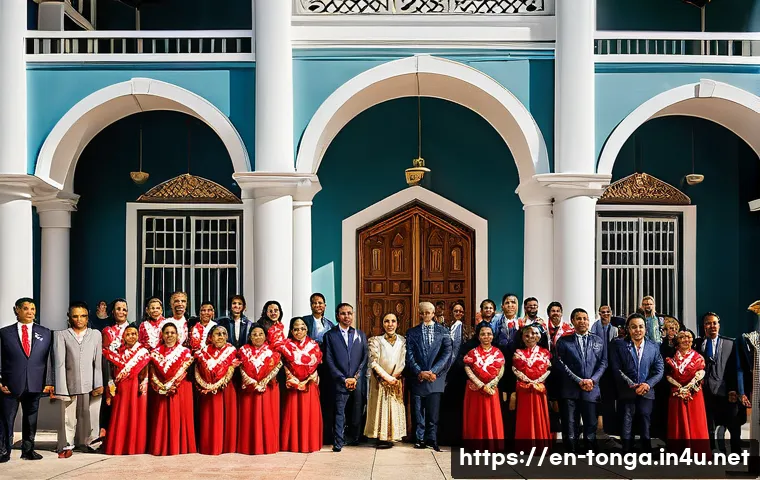
Tonga’s political landscape is a fascinating blend of tradition and modern governance, shaped by its monarchy and emerging political parties. The country’s leaders often balance cultural heritage with the demands of contemporary politics, making its political scene uniquely dynamic.
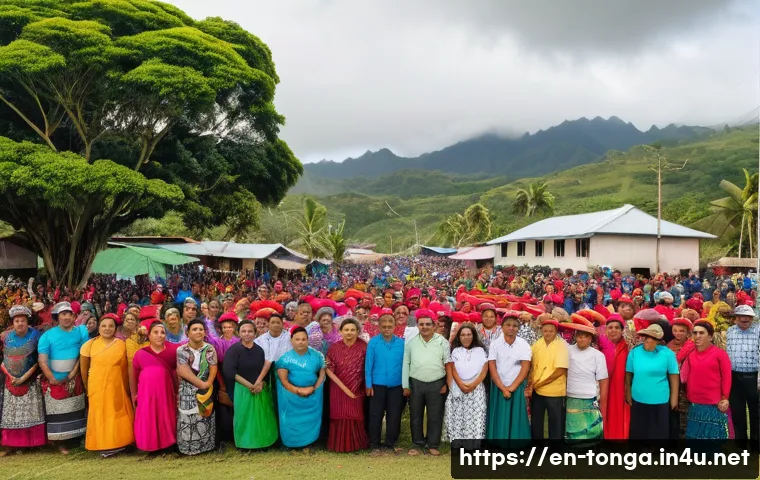
Key figures have played pivotal roles in steering Tonga through economic and social challenges, reflecting the island nation’s resilience. Understanding the main political players and parties offers valuable insight into how Tonga navigates its future.
Let’s dive deeper to uncover the details behind Tonga’s influential politicians and political groups!
Balancing Monarchy and Modern Politics
The Role of the Monarchy in Governance
Tonga’s monarchy remains a cornerstone of its political identity, deeply embedded in both cultural tradition and formal governance. The king wields significant influence, not only as a symbolic figurehead but also in legislative matters, shaping the nation’s laws and policies.
Unlike many constitutional monarchies, Tonga’s royal family retains real political power, which often requires delicate negotiation between the monarchy and elected officials.
This blend of heritage and authority creates a unique political atmosphere where respect for tradition coexists with modern governance demands. Observing this balance helps to understand the nuanced political dynamics that influence decision-making processes in Tonga.
Interaction with Elected Representatives
The elected representatives in Tonga’s Legislative Assembly work alongside the monarchy, but their power is somewhat limited compared to typical parliamentary democracies.
Still, recent reforms have increased the number of people’s representatives, signaling a slow shift toward more democratic participation. These representatives often face the challenge of advocating for their constituents while respecting the traditional authority of the monarchy.
Their role is pivotal in pushing forward reforms and addressing social issues, but they must tread carefully to maintain harmony with the royal establishment.
This dynamic creates an ongoing dialogue about the future direction of Tonga’s political system.
Monarchy’s Influence on Policy and Stability
The king’s active role in politics frequently serves as a stabilizing force during times of crisis or political uncertainty. Tonga’s leadership has faced economic difficulties and natural disasters, and the monarchy’s involvement often brings a unifying presence.
However, this influence can also slow down rapid political reforms, as preserving cultural traditions remains a priority. The monarchy’s ability to mediate between competing political interests ensures continuity, but it sometimes raises concerns about the pace of modernization.
Understanding this tension is key to grasping how Tonga manages both stability and change.
Emergence of Political Parties and Reform Movements
The Rise of Political Parties in Tonga
Historically, Tonga did not have a strong party system, with politics largely driven by individual personalities and noble influence. However, in recent decades, political parties have begun to form, reflecting growing public demand for more structured political representation.
These parties aim to address a range of issues, including economic development, education, and healthcare, offering voters clearer choices. The emergence of political parties signals a gradual democratization process, providing a platform for collective political action and policy debates beyond traditional allegiances.
Challenges Faced by Political Parties
Despite their growing presence, political parties in Tonga face significant hurdles. Limited resources, small populations, and the enduring influence of the nobility restrict party activities and electoral success.
Additionally, political parties must navigate cultural expectations and the monarchy’s role, which can limit aggressive political campaigning or confrontational stances.
Many parties struggle to build strong grassroots support in rural areas, where traditional loyalties often outweigh party affiliation. Overcoming these challenges requires creative strategies and community engagement to build trust and relevance.
Impact of Reform Movements on Governance
Reform movements in Tonga have focused on increasing transparency, improving governance, and expanding democratic participation. These efforts have led to constitutional amendments and electoral reforms that enhance the power of elected representatives.
Activists and civil society groups push for policies that address inequality and promote sustainable development. While progress is incremental, these movements play a crucial role in shaping public discourse and encouraging government accountability.
Their influence helps balance tradition with the aspirations of younger generations seeking a more participatory political system.
Key Political Figures Shaping Tonga’s Future
Profiles of Influential Leaders
Several politicians in Tonga have risen to prominence through their dedication to public service and reform. These leaders often come from diverse backgrounds, including education, law, and business, bringing fresh perspectives to the political arena.
Their ability to communicate effectively with both traditional power holders and the general population has been instrumental in pushing forward policy changes.
Many have championed issues such as economic diversification, infrastructure development, and social welfare, reflecting a pragmatic approach to governance that blends respect for culture with modern needs.
Leadership Styles and Public Perception
The leadership styles of Tonga’s politicians vary widely, from conciliatory figures who emphasize consensus-building to more assertive voices advocating rapid change.
Public perception is heavily influenced by how well leaders can navigate the complex interplay between tradition and reform. Charisma, integrity, and responsiveness to community concerns often determine political longevity.
Leaders who can authentically connect with citizens and deliver tangible results tend to enjoy strong support. Understanding these styles provides insight into the personal dynamics that drive Tonga’s political landscape.
Impact on Policy and Development
The contributions of key political figures extend beyond rhetoric; they have tangible impacts on policy formulation and national development strategies.
Their initiatives often address critical sectors such as tourism, agriculture, and education, aiming to foster economic resilience and improve living standards.
By engaging with international partners and leveraging Tonga’s unique cultural assets, these leaders seek to position the country favorably on the global stage.
Their work underscores the importance of visionary leadership in guiding Tonga through contemporary challenges.
Traditional Nobility and Their Political Influence
The Role of Nobles in the Legislative Assembly
Nobles in Tonga hold reserved seats in the Legislative Assembly, giving them a formal political role alongside elected representatives. This system ensures that traditional authority remains influential in lawmaking and governance.
Nobles often act as guardians of cultural values and customs, providing a counterbalance to populist pressures. Their participation shapes debates on issues that affect both rural and urban populations, maintaining continuity with Tonga’s historical governance structures.
The nobles’ political involvement reflects the country’s commitment to preserving its heritage within a modern state framework.
Interactions Between Nobles and Commoners
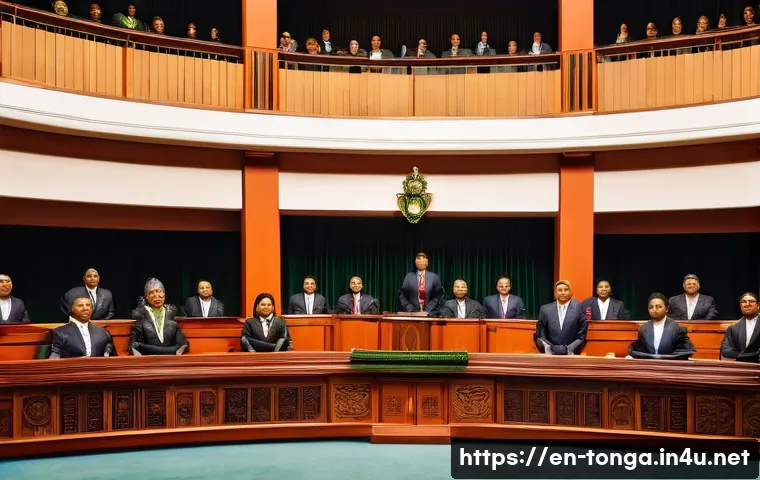
The relationship between nobles and commoners in Tonga’s political sphere is complex and multifaceted. While nobles hold hereditary power, commoners increasingly demand greater political representation and rights.
This dynamic can lead to both cooperation and tension, as both groups seek to influence policy outcomes. Nobles often rely on their social status and community networks, whereas commoners mobilize through political parties and civil society.
The ongoing negotiation between these groups shapes the evolution of Tonga’s democracy and social cohesion.
Influence on Cultural Preservation and Policy
Nobles play a crucial role in safeguarding Tonga’s cultural heritage, which is deeply intertwined with political authority. They advocate for policies that protect traditional practices, land ownership, and social structures.
Their influence extends to education and cultural programs, ensuring that modernization does not erode Tonga’s identity. This preservation effort is often integrated into national development plans, highlighting the nobles’ importance in balancing progress with tradition.
Their role underscores the enduring significance of cultural values in shaping Tonga’s political landscape.
Economic Priorities and Political Decision-Making
Addressing Economic Challenges
Tonga faces several economic challenges, including limited natural resources, reliance on remittances, and vulnerability to climate change. Political leaders prioritize economic diversification to reduce dependence on a narrow range of sectors.
Policies focus on boosting tourism, agriculture, and small businesses to create sustainable growth. These efforts require careful coordination between government agencies, private sector stakeholders, and international partners.
Political decisions around economic priorities often reflect a pragmatic approach aimed at improving resilience and creating opportunities for all Tongans.
Social Programs and Public Welfare
Social welfare remains a key concern in Tonga’s political agenda. Leaders work to enhance healthcare, education, and social safety nets to improve quality of life.
Investments in infrastructure and community services are designed to address disparities, particularly in rural areas. The political discourse frequently centers on how to balance limited resources with growing social demands.
Effective policymaking in this area depends on transparent governance and community engagement, ensuring that programs meet the real needs of the population.
Environmental Considerations in Policy
Given Tonga’s exposure to natural disasters and climate change, environmental sustainability is a critical factor in political decision-making. Government policies increasingly incorporate climate adaptation and disaster risk reduction strategies.
Leaders advocate for renewable energy projects and conservation initiatives to protect ecosystems and livelihoods. This environmental focus aligns with global commitments and reflects local priorities, demonstrating how political agendas are adapting to new challenges.
The integration of environmental concerns into economic and social policies highlights the complexity of governance in Tonga.
Electoral Processes and Voter Engagement
Structure of Elections in Tonga
Tonga’s electoral system combines elements of traditional representation with modern democratic principles. The Legislative Assembly consists of both nobles’ representatives and people’s representatives elected by popular vote.
Elections are held regularly, and candidates campaign on various issues affecting their constituencies. While the process is generally transparent, challenges such as voter turnout and access in remote areas remain.
Understanding the electoral framework is essential to grasp how political power is distributed and contested within the country.
Voter Participation Trends
Voter engagement in Tonga varies across regions and demographics. Urban areas tend to have higher participation rates, while rural communities sometimes face logistical barriers.
Youth involvement is growing, partly due to increased political awareness and education. However, some voters remain skeptical about the impact of elections on their daily lives, which affects turnout.
Political parties and civil society organizations are actively working to boost participation through outreach and voter education campaigns. These efforts aim to strengthen democratic legitimacy and ensure that elected officials truly represent their constituents.
Challenges in Electoral Transparency
While Tonga’s elections are generally free and fair, there are occasional concerns about transparency and fairness. Issues such as candidate intimidation, vote buying, and limited media coverage have been reported.
The government and electoral commission have taken steps to improve oversight and enforce regulations. International observers sometimes participate to enhance credibility.
Addressing these challenges is crucial for maintaining public confidence in the electoral system and fostering a healthy political environment.
| Political Entity | Role | Influence | Challenges |
|---|---|---|---|
| Monarchy | Head of State and Lawmaker | Strong cultural and political authority | Balancing tradition with reform |
| Political Parties | Represent elected interests | Increasing public engagement | Limited resources and rural outreach |
| Nobility | Reserved legislative seats | Cultural preservation and political influence | Tension with democratic reforms |
| People’s Representatives | Legislative members elected by citizens | Advocacy for public concerns | Limited power compared to monarchy and nobles |
| Civil Society | Advocacy and reform movements | Promoting transparency and democracy | Resource constraints and political resistance |
Conclusion
In summary, Tonga’s political landscape is a delicate balance between preserving cultural traditions and embracing modern governance. The monarchy’s role remains influential while political parties and reform movements gradually shape democratic progress. Understanding this dynamic helps appreciate Tonga’s unique approach to stability and change. As the nation moves forward, cooperation between traditional and contemporary forces will be key to its continued development.
Useful Information to Know
1. Tonga’s monarchy holds both symbolic and legislative power, unlike many constitutional monarchies.
2. Political parties are emerging but face challenges like limited resources and rural engagement.
3. Nobles maintain significant influence through reserved seats, ensuring cultural preservation.
4. Economic policies focus on diversification and climate resilience to address ongoing challenges.
5. Voter participation varies, with efforts underway to improve turnout and election transparency.
Key Takeaways
Tonga’s governance is shaped by the coexistence of monarchy, nobles, and elected representatives, each playing a distinct role. The gradual rise of political parties and reform movements reflects a shift toward broader democratic participation, though traditional structures remain strong. Economic and environmental concerns heavily influence policy decisions, requiring a thoughtful balance between progress and heritage. Continued dialogue and collaboration among all political actors are essential for Tonga’s sustainable future.
Frequently Asked Questions (FAQ) 📖
Q: How does Tonga’s monarchy influence its political system?
A: Tonga’s monarchy plays a central role in its political landscape, blending traditional authority with modern governance. The King holds significant influence, including appointing certain members of the Legislative Assembly and guiding national policies.
This system creates a unique balance where cultural heritage is respected while adapting to contemporary political needs. From my observation, this blend fosters stability but also poses challenges as democratic reforms gradually take shape.
Q: What are the main political parties in Tonga, and what do they stand for?
A: Tonga’s political scene features several parties, with the Democratic Party of the Friendly Islands being the most prominent. This party advocates for greater democratic reforms and increased public participation in government.
Other parties and independent candidates often emphasize preserving cultural traditions and economic development. Having followed elections closely, I’ve noticed that the competition between reformist and traditionalist perspectives shapes much of the political dialogue in Tonga.
Q: How do Tonga’s political leaders address economic and social challenges?
A: Tonga’s leaders approach economic and social issues by balancing modernization with cultural values. They prioritize initiatives like improving infrastructure, education, and healthcare, while also supporting agricultural development to sustain local livelihoods.
From what I’ve seen, leaders often engage with community elders and stakeholders to ensure policies resonate with Tongan identity, which helps maintain social cohesion even amid rapid change.
This approach reflects their resilience in navigating complex challenges.