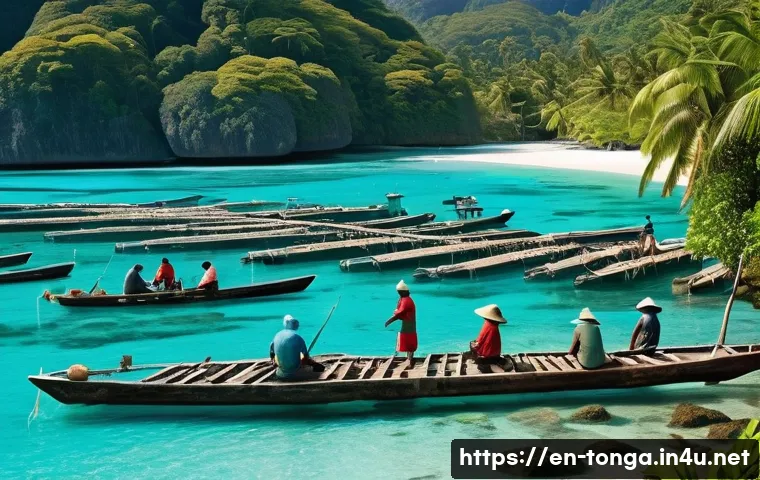
Nestled in the heart of the South Pacific, Tonga offers an enchanting blend of untouched beaches, vibrant culture, and fascinating history that few travelers have experienced firsthand.
From the crystal-clear waters perfect for snorkeling to ancient royal sites steeped in legend, every corner of this island nation invites discovery. The warmth of the locals and the island’s rich traditions add a unique charm that makes Tonga truly unforgettable.
Whether you’re seeking adventure or relaxation, Tonga’s hidden gems are waiting to be explored. Let’s dive deeper and uncover what makes Tonga a must-visit destination for your next getaway!
Discovering Tonga’s Vibrant Marine Life and Coastal Wonders
Snorkeling Among Coral Gardens
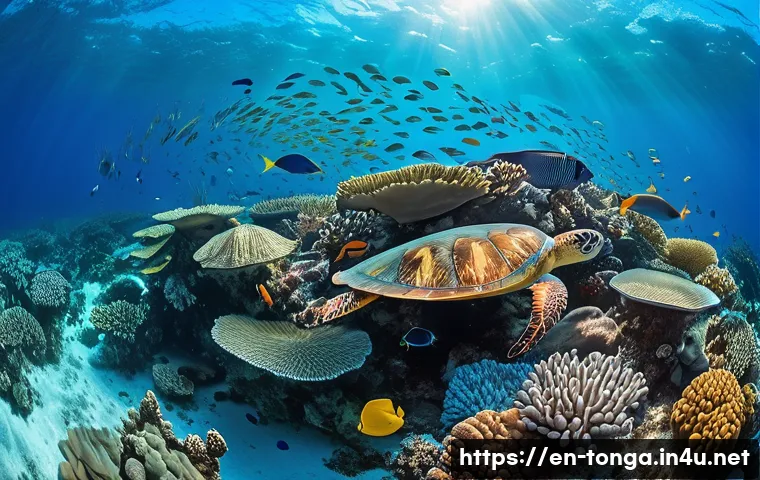
When you slip beneath the surface of Tonga’s warm, crystal-clear waters, you’re greeted by an underwater kaleidoscope of colors. The coral reefs here are some of the most pristine in the South Pacific, teeming with tropical fish, sea turtles, and even gentle reef sharks.
What struck me most during my snorkeling adventures was the feeling of being completely immersed in a living, breathing ecosystem. Unlike more crowded spots, the reefs here feel untouched, almost as if they’re your private aquarium.
The visibility is exceptional, often exceeding 30 meters, which makes it a paradise for underwater photographers and casual explorers alike.
Whale Watching: A Majestic Encounter
One of Tonga’s most breathtaking attractions is its role as a sanctuary for humpback whales. Every year, from July to October, these giants of the ocean migrate to Tonga’s warm waters to mate and give birth.
I was lucky enough to join a local whale-watching tour, and seeing these magnificent creatures breach and sing just meters from our boat was unforgettable.
The locals’ deep respect for the whales is evident, with strict guidelines ensuring minimal disturbance. It’s a rare chance to witness nature’s grandeur in a way that feels personal and profound.
Secluded Beaches and Hidden Lagoons
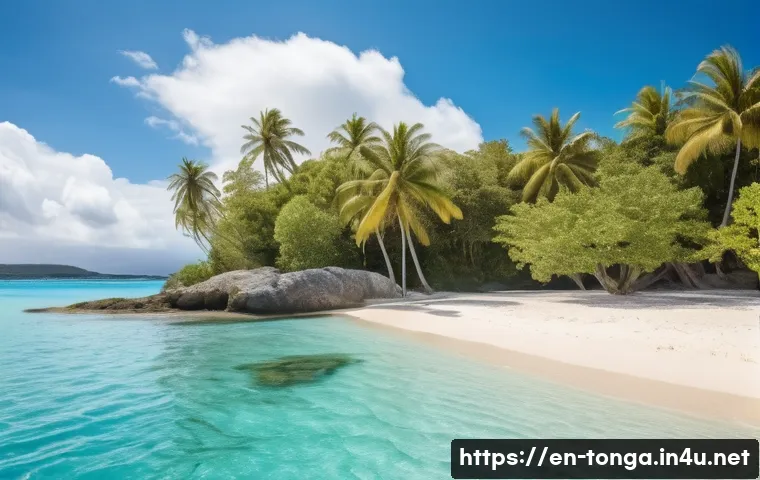
Beyond the marine life, Tonga’s coastline offers secluded beaches that feel like a secret treasure. Soft white sands framed by palm trees invite you to relax away from the crowds.
I found myself often wandering to small coves and lagoons accessible only by boat or foot, where the silence is interrupted only by the gentle lap of waves.
These spots are perfect for a quiet afternoon swim or a peaceful picnic, giving you a true sense of island solitude and beauty.
Experiencing Tonga’s Rich Cultural Heritage and Traditions
The Art of Tapa Making
One of the most fascinating cultural experiences I had in Tonga was learning about tapa cloth, a traditional fabric made from the bark of the mulberry tree.
Watching local artisans painstakingly pound and decorate the cloth with natural dyes and intricate patterns gave me a new appreciation for this centuries-old craft.
Tapa isn’t just art; it holds deep cultural significance and is often used in ceremonies and important social exchanges. Engaging with the makers, hearing their stories, and even trying my hand at the process was a highlight that connected me to Tonga’s vibrant heritage.
Traditional Dance and Music
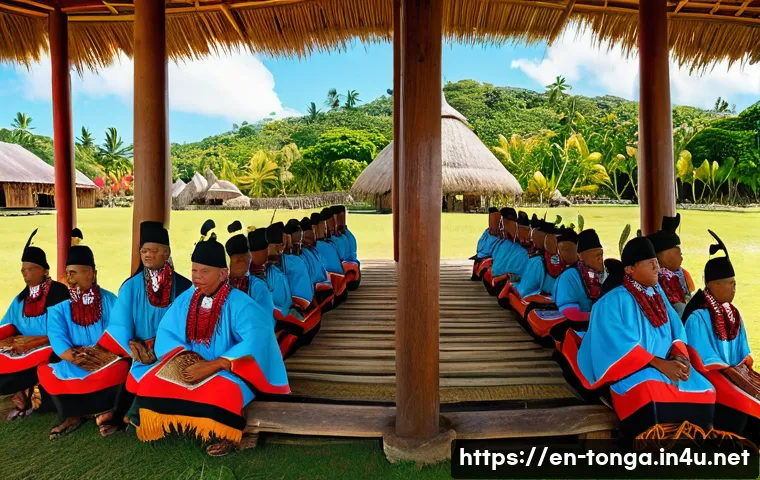
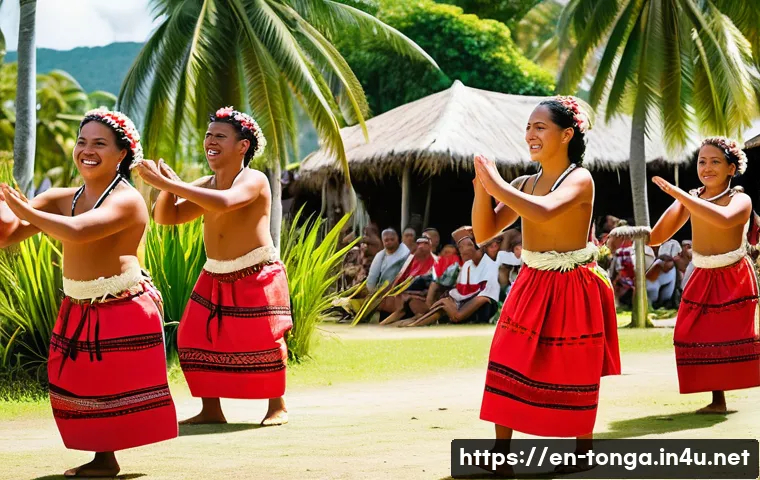
Tongan dance is a spectacular expression of history and storytelling. The rhythmic drumming, graceful hand movements, and vibrant costumes tell tales of ancient warriors, legends, and daily life.
I attended a local village celebration where the energy was infectious—everyone from elders to children participated. The dances weren’t just performances but living traditions passed down through generations.
It’s impossible not to be swept up in the joy and pride that the Tongan people have for their cultural identity.
Royal Sites and Historical Narratives
Tonga is unique in the Pacific for retaining its monarchy, and the royal history is woven into the island’s identity. Visiting ancient royal burial grounds and the Ha’amonga ‘a Maui trilithon stone monument offered a glimpse into a past filled with mystery and power.
Local guides shared legends that have been orally preserved for centuries, enriching the experience beyond the physical sites. These stories give context to Tonga’s place in Pacific history and the ongoing respect for its monarchy, which remains a vital part of national pride.
Outdoor Adventures Beyond the Shoreline
Hiking Through Lush Tropical Forests
While Tonga is best known for its beaches and marine life, the inland hiking trails reveal an entirely different side of the islands. Trekking through dense forests, I encountered exotic birds, vibrant flora, and panoramic views that stretched to the ocean horizon.
The trails range from gentle walks to more challenging climbs, suitable for all levels of hikers. One of the most rewarding moments was reaching a secluded waterfall where I could cool off after the hike, surrounded by untouched nature.
Caving and Exploring Lava Tubes
Tonga’s volcanic origins have left fascinating geological features, including extensive cave systems and lava tubes. Exploring these natural formations with a knowledgeable guide brought a sense of adventure and discovery.
The cool, dark interiors contrasted sharply with the bright island sun, and I was amazed by the ancient stalactites and the echoes of dripping water. These caves also have cultural significance, sometimes linked to legends or traditional uses, adding an extra layer of intrigue.
Kayaking Across Tranquil Waters
For a more relaxed yet immersive outdoor experience, kayaking around Tonga’s islands is unbeatable. Paddling through calm lagoons and narrow channels, I was able to observe marine life just beneath the surface and access small beaches that are otherwise unreachable.
The gentle rhythm of kayaking allowed me to soak in the island’s serene beauty while getting a modest workout. It’s also a fantastic way to explore at your own pace, whether you’re seeking solitude or a shared adventure.
The Culinary Delights of Tonga: A Taste of Island Life
Traditional Feasts and Luau Experiences
Eating in Tonga is as much about community and celebration as it is about flavor. I had the chance to join a traditional luau, where food is cooked underground in an earth oven called an “umu.” The smoky aroma of roasted taro, fresh fish, and pork filled the air, and sharing the meal with locals made it feel like a true island celebration.
The experience gave me insight into Tongan hospitality and the importance of food in their social fabric.
Fresh Seafood and Tropical Fruits
Thanks to its ocean surroundings, Tonga offers some of the freshest seafood imaginable. From grilled mahi-mahi to succulent lobster, every bite tastes like it was plucked straight from the sea that morning.
Complementing the seafood are tropical fruits like breadfruit, pawpaw, and bananas, which add a sweet, refreshing balance. Sampling these ingredients at local markets and family-run eateries introduced me to authentic flavors that you rarely find in tourist hotspots.
Modern Twists on Traditional Dishes
While traditional foods hold a special place, Tonga’s culinary scene is also evolving. Some chefs are blending island ingredients with international techniques, creating inventive dishes that surprise and delight.
I tried a modern take on the classic ‘ota ika’ (marinated raw fish) that incorporated citrus and herbs in new ways. This fusion reflects the dynamic nature of Tongan culture—respecting heritage while embracing creativity and change.
Planning Your Visit: Practical Tips and Seasonal Insights
Best Times to Experience Tonga’s Highlights
Timing your trip to Tonga can make a huge difference in what you get to see and do. For whale watching, the prime season is from July to October, while the weather is generally warm and pleasant year-round.
The wet season runs from November to April, bringing heavier rains and occasional storms, which might limit outdoor activities but also means fewer tourists and lush landscapes.
Personally, I found visiting during the shoulder months offered a great balance of good weather and fewer crowds.
Getting Around and Local Transportation
Navigating Tonga requires some planning, as public transportation is limited outside the main towns. Renting a car or arranging guided tours is often the easiest way to explore beyond the capital area.
Inter-island travel is mostly by ferry or small planes, with schedules that can vary, so flexibility is key. What I appreciated was the friendliness of local drivers and the relaxed pace of travel, which encouraged me to slow down and enjoy the journey rather than rushing from one spot to another.
Accommodations and Staying Connected
From eco-friendly beachfront bungalows to boutique hotels and guesthouses, Tonga offers a range of accommodations catering to different budgets and preferences.
I stayed in a charming family-run lodge where the hosts went out of their way to share insider tips and local stories, which added immense value to my stay.
Wi-Fi and connectivity can be spotty in remote areas, so it’s wise to plan accordingly and enjoy the digital detox that island life naturally provides.
Essential Information for Travelers: A Quick Reference
| Aspect | Details |
|---|---|
| Currency | Tongan Paʻanga (TOP) |
| Language | Tongan and English (widely spoken) |
| Best Travel Season | May to October (dry season) |
| Visa Requirements | Visa on arrival for many nationalities; check current rules before traveling |
| Electricity | 230V, 50Hz; UK-style plugs (Type I) |
| Health Precautions | Standard vaccinations recommended; mosquito repellent advised |
| Local Etiquette | Dress modestly when visiting villages; always ask before photographing locals |
| Transportation | Car rentals, taxis, ferries, and small planes for island hopping |
Engaging with Tonga’s Community: Respectful Travel Practices
Building Connections Through Local Experiences
What truly made my trip to Tonga memorable was the genuine interactions with locals. The Tongan people are incredibly warm and welcoming, eager to share their culture and stories.
Taking time to learn basic greetings in Tongan and showing respect for customs opened doors to authentic experiences that guidebooks can’t replicate. Whether it was joining a church service or participating in a village festival, these moments created meaningful connections and deeper understanding.
Supporting Sustainable and Responsible Tourism
Traveling responsibly in Tonga means supporting initiatives that protect the environment and empower communities. I made it a point to choose eco-conscious tours and locally owned businesses, which not only enriched my experience but contributed directly to the island’s wellbeing.
Simple actions like minimizing plastic use, respecting wildlife habitats, and following local guidelines go a long way in preserving Tonga’s natural and cultural treasures for future visitors.
Learning and Growing Through Cultural Exchange
Every interaction in Tonga felt like an opportunity to learn something new—about history, values, and ways of life. I found that approaching the journey with humility and openness allowed me to grow personally and gain a deeper appreciation for this remarkable island nation.
Traveling here isn’t just about sightseeing; it’s about becoming part of a shared story, even if just for a little while. This mindset transformed my trip from a vacation into a truly enriching life experience.
Wrapping Up
Exploring Tonga reveals a unique blend of stunning natural beauty, rich cultural heritage, and warm community spirit. From vibrant coral reefs to traditional dances, every experience offers a deeper connection to this extraordinary island nation. Whether you seek adventure or tranquility, Tonga invites you to discover its treasures with respect and curiosity. It’s a destination that leaves a lasting impression on both the heart and mind.
Handy Tips to Remember
1. Pack lightweight, breathable clothing suitable for warm, humid weather, and include modest attire for village visits.
2. Bring reef-safe sunscreen and insect repellent to protect yourself and preserve the environment.
3. Carry some local currency (Tongan Paʻanga) as small vendors and remote areas may not accept cards.
4. Learn a few basic Tongan phrases to enhance interactions and show respect for the local culture.
5. Plan your activities around the dry season (May to October) for the best weather and outdoor experiences.
Key Takeaways for Your Trip
Respecting Tonga’s customs and environment is essential to a fulfilling visit. Embrace the slower pace of island life, prioritize sustainable tourism choices, and engage genuinely with the local community to enrich your journey. Prepare for limited connectivity in remote areas and arrange transportation ahead to navigate the islands smoothly. Ultimately, a respectful and open-minded approach transforms your travel into a meaningful cultural exchange that benefits both you and Tonga.
Frequently Asked Questions (FAQ) 📖
Q: What is the best time of year to visit Tonga for ideal weather and activities?
A: The best time to visit Tonga is during the dry season, which typically runs from May to October. During these months, you can expect pleasant temperatures, lower humidity, and minimal rainfall, making it perfect for outdoor activities like snorkeling, hiking, and exploring cultural sites.
I’ve been there in August, and the weather was just right—not too hot, with clear skies that made every beach day unforgettable.
Q: Are there any cultural customs or etiquette visitors should be aware of when traveling to Tonga?
A: Absolutely! Tonga is known for its deeply rooted traditions and warm hospitality, so showing respect is key. For example, when visiting villages or attending local events, modest dress is appreciated—covering shoulders and knees is a good rule of thumb.
It’s also polite to accept food or gifts with both hands, and always greet elders respectfully. From my experience, locals really value genuine interest in their culture, so asking questions and listening goes a long way in building connections.
Q: What are some must-see attractions or activities unique to Tonga that travelers often miss?
A: Beyond the stunning beaches and snorkeling spots, don’t miss the chance to visit the ancient royal tombs at Lapaha, which offer a fascinating glimpse into Tonga’s history and mythology.
Another gem is the humpback whale watching season, usually from July to October, where you can witness these majestic creatures up close—a truly awe-inspiring experience I’ll never forget.
Also, try attending a traditional kava ceremony to immerse yourself in local customs and meet friendly islanders. These experiences often fly under the radar but make your trip genuinely special.