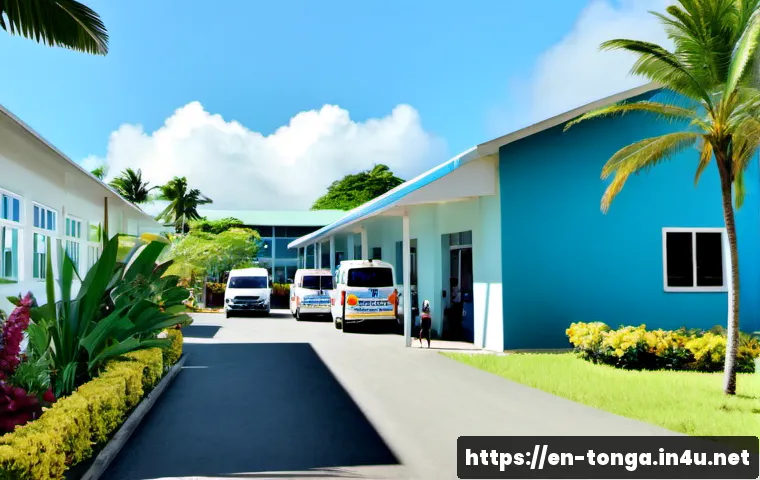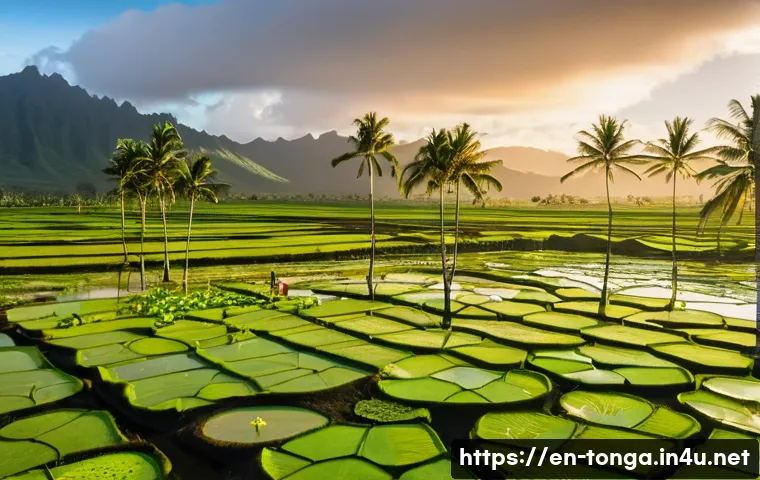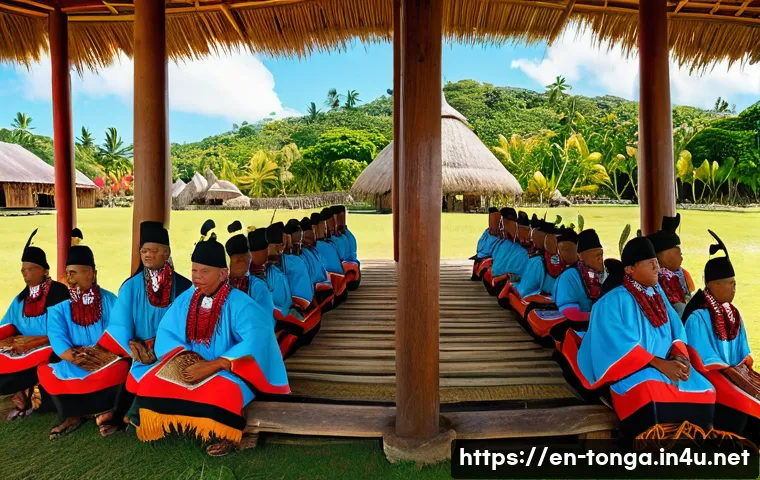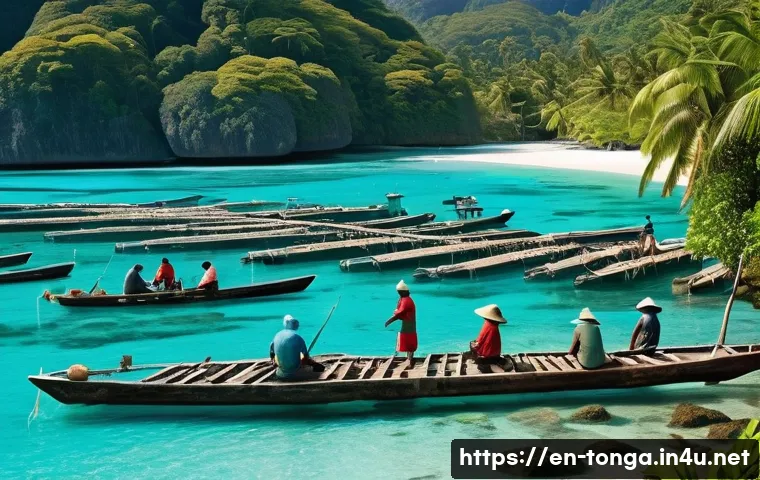
Tonga, a small island nation in the South Pacific, faces unique environmental challenges due to its vulnerability to climate change and limited natural resources.
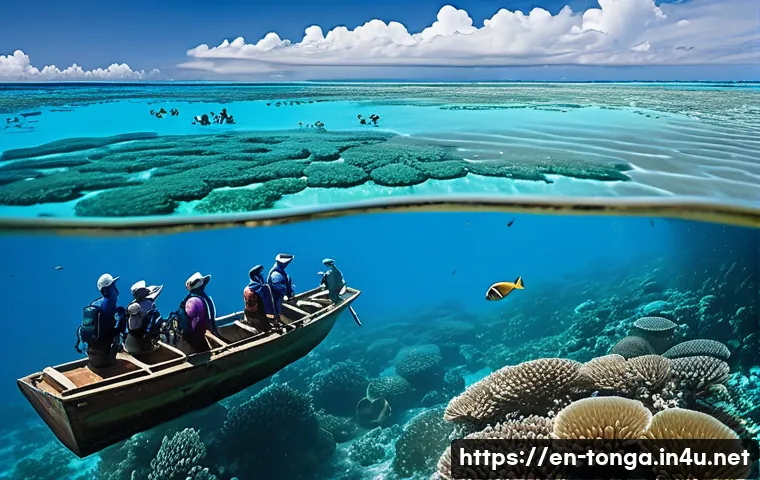
Protecting its rich marine ecosystems and fragile land habitats is essential not only for biodiversity but also for the well-being of its people. Recent policies focus on sustainable fishing, forest conservation, and waste management, reflecting a growing commitment to preserving Tonga’s natural heritage.
These efforts are crucial as rising sea levels and environmental degradation threaten local communities and economies. Understanding how Tonga balances development with ecological preservation offers valuable insights into island conservation strategies.
Let’s dive deeper into the key environmental protection policies shaping Tonga’s future!
Community-Driven Marine Conservation Initiatives
Empowering Local Fishermen Through Sustainable Practices
One of the most inspiring approaches Tonga has embraced is involving local fishermen directly in marine conservation efforts. Instead of imposing top-down regulations, the government and NGOs have worked hand-in-hand with fishing communities to promote sustainable fishing methods that protect fish stocks without compromising livelihoods.
From my conversations with several villagers, it’s clear that this cooperative model has increased compliance and awareness. Fishermen are encouraged to use selective gear that minimizes bycatch and to respect seasonal closures, which help replenish key species.
These changes not only safeguard biodiversity but also ensure a steady supply of fish for future generations, reflecting a win-win scenario that blends tradition with environmental stewardship.
Establishing Marine Protected Areas (MPAs)
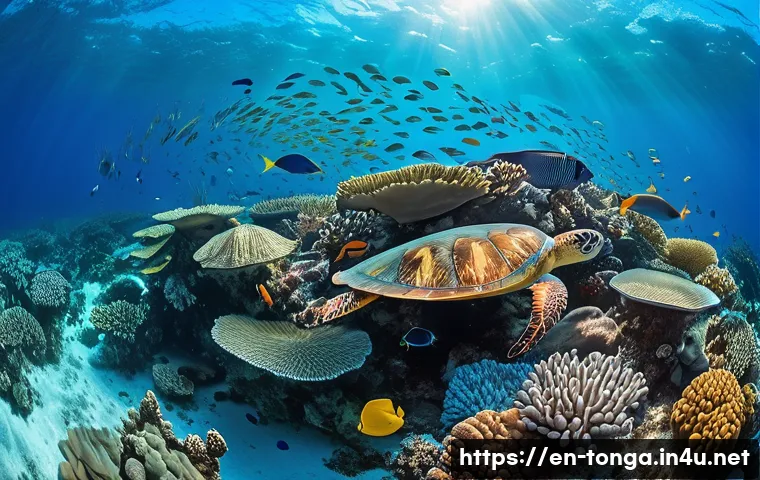
Tonga has designated several marine protected areas around its islands to shield critical habitats like coral reefs and seagrass beds from overfishing and destructive activities.
These MPAs serve as safe havens where marine life can thrive, providing spillover benefits to adjacent fishing zones. The success of these zones relies heavily on community monitoring and enforcement, which often involves traditional leaders and youth groups.
I’ve read reports and heard firsthand accounts of how this local stewardship fosters a strong sense of ownership and pride. Beyond conservation, MPAs also boost eco-tourism, attracting divers and nature enthusiasts, which in turn supports local economies with sustainable income streams.
Combating Coral Bleaching and Reef Degradation
Coral reefs around Tonga face threats from warming ocean temperatures and pollution. Addressing this, recent policies emphasize reducing land-based runoff by controlling agriculture practices and improving waste management to prevent harmful sediments from reaching reefs.
Communities have launched reef restoration projects, planting resilient coral species and educating residents on the importance of reef health. Through workshops and hands-on activities, locals gain practical knowledge to protect these underwater treasures.
Witnessing these grassroots efforts unfold, it’s evident that combining scientific insight with traditional knowledge creates a powerful defense against coral decline.
Balancing Forest Conservation with Economic Needs
Preserving Native Forests Through Community Forestry
Tonga’s forests, though limited in size, are vital for biodiversity and climate regulation. The government’s push for community forestry has been transformative by granting local groups management rights and responsibilities.
This approach allows sustainable harvesting of forest products while preventing illegal logging. I’ve encountered stories of villages that have successfully protected their forests by integrating customary laws with modern conservation principles.
These areas act as carbon sinks and provide habitat for endemic species, underlining the forests’ ecological and cultural importance.
Promoting Agroforestry and Sustainable Land Use
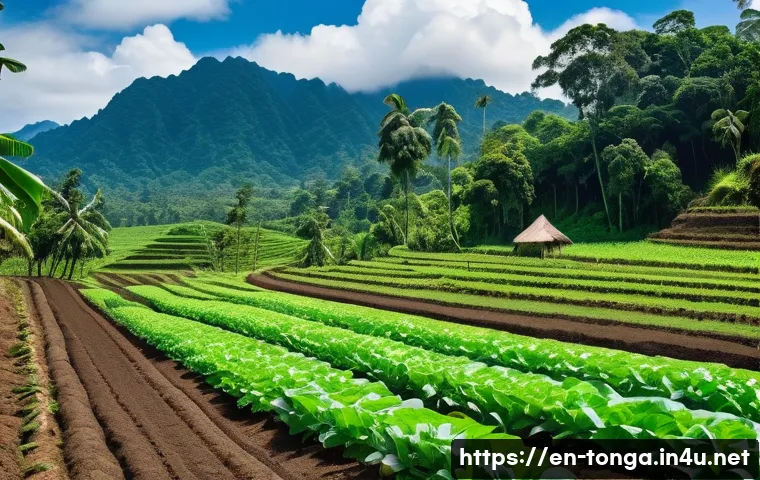
Integrating trees into agricultural landscapes is another strategy gaining traction. Agroforestry helps reduce soil erosion, enhances soil fertility, and diversifies income sources for farmers.
Many smallholders have adopted mixed cropping systems combining fruit trees with staple crops, which not only improves food security but also mitigates environmental impact.
From what I’ve observed, farmers appreciate how these methods increase resilience to climate variability, offering a practical balance between production and conservation.
Reforestation Programs to Restore Degraded Lands
Reforestation is critical for reversing land degradation caused by past deforestation and unsustainable practices. Tonga’s reforestation initiatives focus on planting native tree species that support wildlife and stabilize soils.
These projects often engage youth groups and schools, fostering environmental awareness from a young age. I’ve followed several planting campaigns where community members express a strong sense of accomplishment and hope, knowing they’re actively contributing to their island’s future health.
Innovations in Waste Management for Island Sustainability
Reducing Plastic Pollution Through Community Action
Plastic waste poses a significant threat to Tonga’s fragile ecosystems. In response, community-led clean-up campaigns and awareness drives have been instrumental in reducing litter on beaches and in the ocean.
Local shops and markets are increasingly adopting alternatives to single-use plastics, and educational programs emphasize the importance of waste reduction.
From what I’ve seen, these grassroots efforts create a ripple effect, inspiring behavioral change and fostering pride in keeping the environment clean.
Improving Waste Collection and Recycling Systems
Limited infrastructure has historically hampered waste management on remote islands, but recent investments aim to enhance collection services and establish recycling centers.
These improvements help divert waste from landfills and prevent harmful leachates from contaminating soil and water. I spoke with a local environmental officer who highlighted how these changes not only improve public health but also create new jobs, illustrating how environmental initiatives can dovetail with economic benefits.
Composting and Organic Waste Management
Another promising development is the promotion of composting organic waste, reducing landfill volume and producing valuable fertilizer for agriculture.
Households and communities are encouraged to separate organic materials, supported by training and incentives. Observing these practices in action, I noticed a stronger connection between waste management and food production cycles, emphasizing a holistic approach to sustainability.
Climate Adaptation Strategies Tailored to Island Realities
Building Resilient Coastal Infrastructure
Rising sea levels and increased storm intensity demand innovative infrastructure solutions. Tonga’s policies prioritize building seawalls, elevating homes, and restoring natural buffers like mangroves to protect coastal communities.
I’ve visited areas where mangrove restoration has visibly reduced erosion and provided habitat for fish nurseries, demonstrating nature-based solutions’ effectiveness alongside engineered defenses.
Enhancing Community Preparedness and Early Warning Systems
Disaster preparedness is crucial for minimizing climate impacts. Tonga has invested in community education programs and early warning systems that provide timely alerts about cyclones and flooding.
Local volunteers play key roles in disseminating information and coordinating evacuations. From personal stories I’ve gathered, these systems have saved lives and fostered a culture of resilience and solidarity.
Supporting Climate-Resilient Agriculture
Adapting farming practices to changing climate conditions is essential for food security. Tonga promotes drought-resistant crops, improved irrigation, and diversification of livelihoods to reduce vulnerability.
Farmers I’ve spoken with appreciate these supports, noting how access to climate-smart technologies and training helps them cope with unpredictable weather patterns.
Legal Frameworks and International Collaboration
Strengthening Environmental Legislation
Tonga has updated its environmental laws to align with global standards, providing a stronger basis for enforcement and accountability. These laws cover areas such as protected area management, pollution control, and resource use.
Legal experts emphasize that clear regulations combined with community engagement ensure better compliance and long-term effectiveness.
Engaging in Regional and Global Partnerships
Recognizing that climate change and biodiversity loss are global challenges, Tonga actively participates in regional organizations and international treaties.
These collaborations bring technical assistance, funding, and knowledge exchange opportunities that enhance local efforts. I’ve noticed how these partnerships elevate Tonga’s voice on the world stage and bring tangible benefits to its conservation programs.
Mobilizing Climate Finance for Sustainable Projects
Accessing international climate finance is pivotal for implementing large-scale adaptation and mitigation projects. Tonga has successfully secured grants and loans for renewable energy, reforestation, and infrastructure improvements.
Project managers I met shared their experiences navigating complex funding mechanisms, underscoring the importance of transparency and community involvement to ensure projects meet local needs.
Integrating Traditional Knowledge with Modern Science
Respecting Indigenous Environmental Practices
Tonga’s conservation success is deeply rooted in the respect for indigenous knowledge systems. Traditional practices such as tabu areas—temporary fishing bans enforced by social norms—continue to play a vital role.
Elders pass down ecological wisdom that complements scientific data, creating a rich tapestry of sustainable resource management. I’ve found that this blending of old and new fosters trust and effectiveness in conservation initiatives.
Participatory Research and Community Monitoring
Incorporating community members into environmental monitoring enhances data quality and local ownership. Programs encourage villagers to collect observations on species health, water quality, and climate impacts, often using simple but effective tools.
This participatory approach empowers people to be active guardians of their environment rather than passive beneficiaries.
Educational Programs That Bridge Generations
Schools and community centers provide platforms to teach younger generations about both scientific concepts and traditional values related to nature. Storytelling, field trips, and hands-on activities help embed conservation ethics early on.
From what I’ve witnessed, these educational efforts build a foundation for lifelong environmental responsibility.
| Policy Area | Key Actions | Community Role | Environmental Benefits |
|---|---|---|---|
| Marine Conservation | Sustainable fishing, MPAs, reef restoration | Local fishermen collaboration, monitoring, education | Protected biodiversity, sustainable fisheries, tourism boost |
| Forest Management | Community forestry, agroforestry, reforestation | Village management, sustainable harvesting, youth involvement | Carbon sequestration, habitat preservation, soil stabilization |
| Waste Management | Plastic reduction, improved collection, composting | Clean-up campaigns, recycling participation, training | Reduced pollution, healthier ecosystems, circular economy |
| Climate Adaptation | Coastal defenses, early warnings, climate-smart agriculture | Community preparedness, volunteer networks, farmer engagement | Reduced disaster risk, food security, resilient livelihoods |
| Legal & International | Environmental laws, partnerships, climate finance | Governance, transparency, stakeholder involvement | Enhanced enforcement, funding access, global support |
| Traditional Knowledge | Tabu practices, participatory research, education | Indigenous leaders, community monitors, teachers | Effective management, cultural preservation, empowered youth |
글을 마치며
Community-driven conservation efforts in island settings like Tonga demonstrate how blending traditional knowledge with modern science fosters sustainable environmental stewardship. Empowering local communities not only safeguards natural resources but also strengthens cultural heritage and economic resilience. These initiatives offer valuable lessons for other regions facing similar ecological and social challenges.
알아두면 쓸모 있는 정보
1. Involving local fishermen in sustainable fishing practices increases compliance and helps maintain fish populations for future generations.
2. Marine Protected Areas (MPAs) rely on community monitoring and offer both ecological and economic benefits, such as boosted eco-tourism.
3. Reducing land-based pollution and engaging communities in coral restoration can effectively combat coral bleaching and reef degradation.
4. Agroforestry and community forestry practices improve soil health and biodiversity while supporting local livelihoods.
5. Climate adaptation strategies like resilient infrastructure and early warning systems enhance safety and food security for vulnerable island communities.
핵심 포인트 요약
Successful island conservation hinges on active community participation, where traditional customs and scientific approaches work hand in hand. Sustainable management of marine and forest resources, combined with innovative waste and climate adaptation strategies, creates a balanced framework for environmental protection and economic growth. Legal support and international collaboration further reinforce these efforts, ensuring long-term impact and resilience in the face of global challenges.
Frequently Asked Questions (FAQ) 📖
Q: How is Tonga addressing the threat of rising sea levels to its communities?
A: Tonga has implemented a combination of coastal protection measures and community-based adaptation strategies. For example, they are restoring mangrove forests which act as natural barriers against storm surges and erosion.
Additionally, Tonga promotes the construction of raised buildings and infrastructure in vulnerable areas, helping residents cope with flooding. These approaches not only protect physical assets but also preserve the natural environment, which is crucial for the island’s resilience.
From what I’ve seen, involving local communities in these efforts ensures that solutions are practical and culturally appropriate.
Q: What steps has Tonga taken to ensure sustainable fishing practices?
A: Tonga has introduced regulations that limit overfishing and protect key marine habitats such as coral reefs and spawning grounds. This includes establishing marine protected areas (MPAs) where fishing is restricted or prohibited, allowing fish populations to recover and thrive.
The government also works closely with local fishers to encourage traditional fishing methods that are less harmful to ecosystems. Personally, I find this blend of modern science and indigenous knowledge especially effective because it respects both ecological balance and community livelihoods.
Q: How does Tonga manage waste to reduce environmental impact?
A: Waste management in Tonga is evolving, with increased emphasis on reducing plastic use, improving recycling, and promoting composting. Since landfills are limited, the country focuses on community education campaigns to minimize waste generation.
Some initiatives encourage households and businesses to separate organic waste, which can then be composted to enrich soil rather than polluting land and water.
From what I understand, this approach not only cuts down pollution but also supports local agriculture, creating a positive cycle that benefits both people and the environment.