Rising sea levels pose a growing threat to island nations worldwide, and Tonga is no exception. This remote Pacific archipelago faces increasing risks of coastal erosion, flooding, and habitat loss due to climate change.
The delicate balance between nature and community life is being disrupted, putting both the environment and local livelihoods in jeopardy. Understanding how these changes impact Tonga is crucial as we look toward global solutions.
Let’s dive deeper and explore the full story behind Tonga’s battle with rising seas.
Environmental Shifts Reshaping Tonga’s Coastline
Coastal Erosion Accelerating the Loss of Land
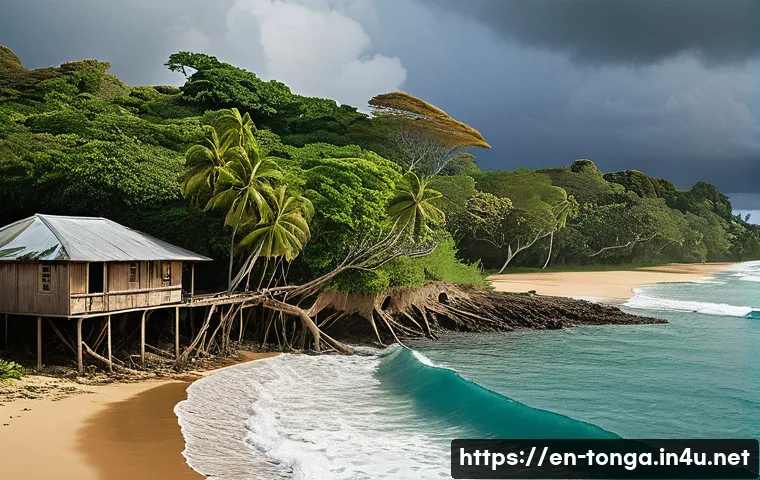
The fragile shorelines of Tonga are retreating faster than ever, with coastal erosion eating away at beaches and vital land areas. I’ve seen firsthand how storm surges and high tides have become more aggressive, stripping away sand and soil that once buffered communities from the ocean’s force.
This erosion is not just a gradual process but one that threatens entire villages perched near the coast. The loss of land also means fewer spaces for agriculture and housing, forcing locals to reconsider where and how they live.
It’s a harsh reality for islanders who have depended on stable coastlines for generations. Beyond the physical changes, the emotional toll on residents who watch their homes disappear is profound, underscoring how deeply intertwined their identity is with the land itself.
Increased Flooding and Saltwater Intrusion
Flooding events in Tonga have become more frequent and severe due to rising sea levels and intensified rainfall patterns. When the sea pushes further inland, it brings saltwater into freshwater lenses underground, damaging crops and contaminating drinking water.
During my conversations with farmers and families in Tonga, they expressed growing concern about this intrusion, which jeopardizes food security and health.
Saltwater exposure weakens traditional root crops like taro, which are a dietary staple. Moreover, flooding disrupts daily life, washing away infrastructure and isolating communities.
It’s a domino effect where environmental changes ripple into social and economic hardships, making resilience a daily challenge for those on the front lines.
The Decline of Marine and Coastal Habitats
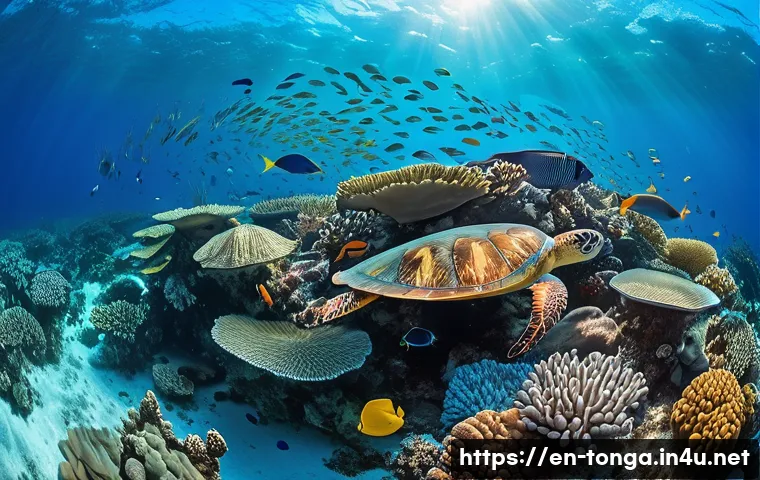
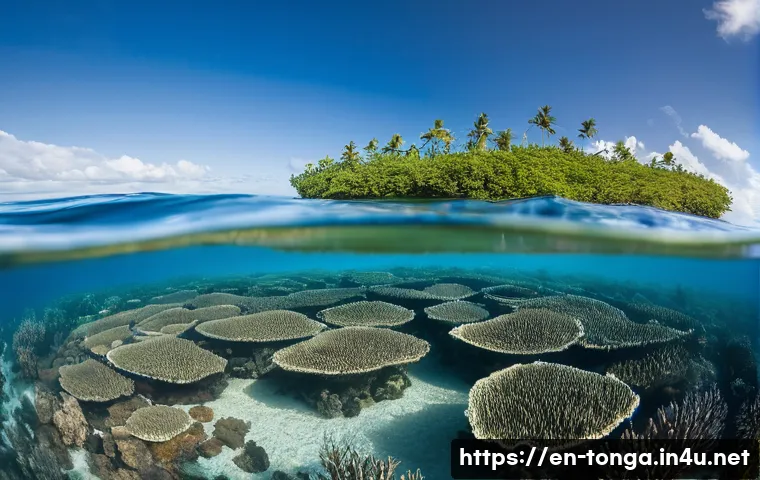
Tonga’s rich marine ecosystems, including coral reefs and mangroves, face mounting stress from warming waters and rising seas. Coral bleaching events have increased, reducing the biodiversity that supports fisheries vital to local diets and economies.
Mangroves, which serve as natural storm barriers and nurseries for fish, are also retreating or dying off. These habitats are critical not only for ecological balance but also for sustaining the cultural practices tied to fishing and coastal stewardship.
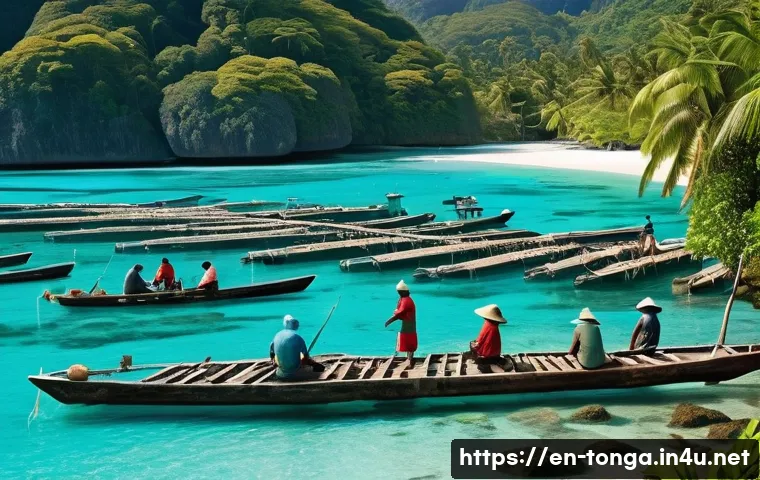
In my experience visiting coastal communities, the loss of these habitats has been linked to diminished fish catches, pushing fishermen to travel further offshore or seek alternative livelihoods.
This environmental degradation threatens the sustainability of Tonga’s food systems and the preservation of its unique heritage.
Community Adaptation Strategies and Challenges
Building Resilient Infrastructure
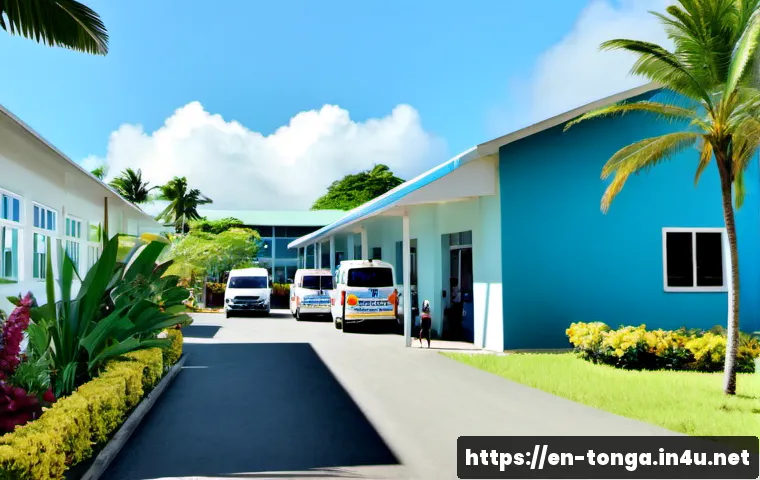
In response to these mounting threats, Tonga has embarked on projects to fortify its infrastructure against flooding and erosion. Elevated homes, seawalls, and improved drainage systems are becoming more common, although funding and resources remain limited.
I’ve noticed that while some communities have made impressive strides in adapting their built environment, many rural areas still struggle to implement such measures.
These adaptations require not only technical expertise but also the integration of traditional knowledge, which helps ensure solutions fit local conditions.
However, balancing modern engineering with cultural values can be complex, and ongoing support is essential to maintain and expand these efforts.
Community-Led Conservation Efforts
Locals in Tonga are increasingly involved in protecting and restoring coastal ecosystems through initiatives like mangrove replanting and coral reef monitoring.
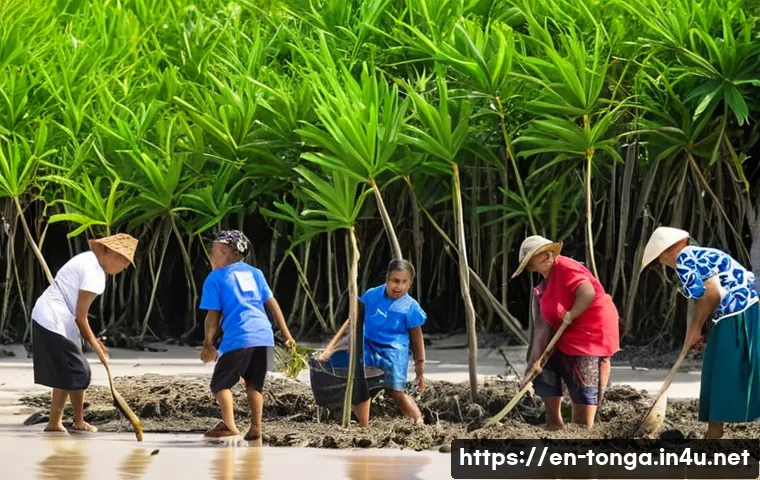
These grassroots movements are vital because they empower residents to take ownership of their environment. I’ve had the opportunity to participate in a mangrove restoration project and witnessed the pride and hope it instilled in participants.
Such efforts also foster knowledge sharing between generations, strengthening community bonds. However, these initiatives often face obstacles such as limited funding, climate unpredictability, and the need for broader policy backing.
Still, community leadership remains a cornerstone of Tonga’s resilience strategy.
Challenges in Relocation and Land Rights
Some areas in Tonga are becoming increasingly uninhabitable, prompting discussions about relocating communities to safer grounds. This process is fraught with social and legal complexities, particularly concerning land ownership and cultural ties to ancestral territories.
I have talked with residents who are reluctant to leave their homes, not just because of economic reasons but due to deep emotional connections. Relocation plans require sensitive negotiation and inclusive planning to avoid social fragmentation.
Moreover, the government and international partners must ensure that relocated communities receive adequate support to rebuild livelihoods and maintain cultural identity in new settings.
Economic Impacts on Fisheries and Agriculture
Declining Fish Stocks and Livelihoods
Tonga’s economy heavily relies on fisheries, and changes in sea temperature and habitat degradation have caused noticeable declines in fish populations.
Fishermen I met described how they now spend longer hours at sea to catch fewer fish, impacting their income and food availability. This decrease not only affects household economies but also the national economy, where fisheries contribute significantly.
The unpredictability of fish stocks forces communities to adapt quickly or face food shortages. Alternative income sources are scarce, putting pressure on social systems and increasing vulnerability to poverty.
Crop Vulnerability and Food Security
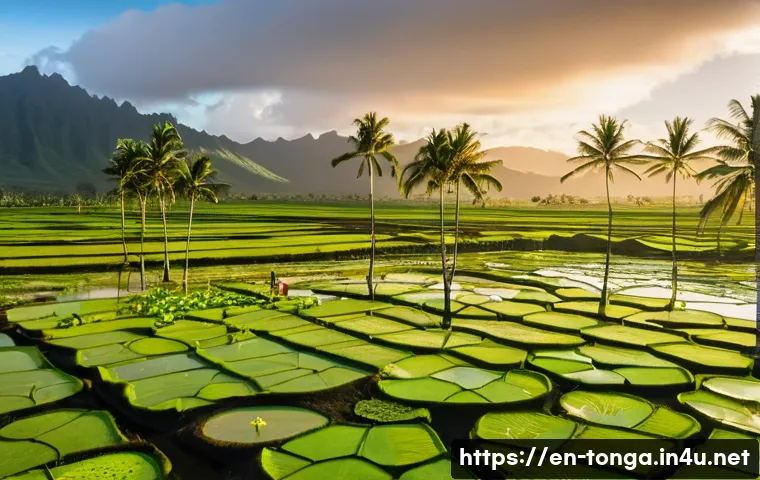
Agricultural productivity in Tonga is under threat as saltwater intrusion and changing weather patterns reduce arable land quality. Traditional crops such as taro and cassava suffer from saline soils and inconsistent rainfall, leading to lower yields.
Farmers have shared with me their struggles to maintain crop health and their efforts to experiment with salt-tolerant varieties or diversified farming methods.
However, these adaptations require access to resources and training, which are not always available. Food insecurity is becoming a more pressing concern, especially in remote areas where market access is limited.
Tourism Industry Under Pressure
Tourism, a vital sector in Tonga, is vulnerable to the impacts of rising seas and environmental degradation. Pristine beaches and coral reefs attract visitors, but their deterioration threatens the industry’s sustainability.
Locals involved in tourism-related businesses, from guesthouses to tour operators, face uncertainty as natural attractions fade. Additionally, extreme weather events disrupt travel and infrastructure.
I’ve spoken to entrepreneurs who are exploring eco-tourism and sustainable practices as ways to preserve their environment while maintaining income streams.
This transition is promising but requires strategic planning and investment.
Climate Policy and International Support Dynamics
Government Initiatives and Climate Action Plans
The Tongan government has developed climate adaptation strategies aimed at mitigating the impacts of sea level rise and extreme weather. These plans emphasize community engagement, ecosystem restoration, and infrastructure resilience.
From my observations, the government’s commitment is evident, but implementation is challenged by limited financial and technical resources. International partnerships and donor funding play critical roles in supporting national efforts, but coordination and long-term planning are essential for effectiveness.
Transparency and accountability in project execution also influence community trust and participation.
Role of Global Climate Finance
International climate finance mechanisms provide crucial funding for Tonga’s adaptation and mitigation projects. Grants and loans from multilateral organizations help fund seawall construction, renewable energy projects, and conservation programs.
However, accessing these funds often involves complex application processes and compliance with strict criteria. I’ve talked to local NGOs who sometimes struggle to meet these requirements despite having valuable on-the-ground knowledge.
Ensuring equitable access to climate finance and simplifying procedures can enhance Tonga’s capacity to respond to environmental challenges effectively.
Regional Cooperation and Knowledge Sharing
Tonga benefits from collaboration with neighboring Pacific island nations facing similar climate threats. Regional forums and initiatives facilitate the exchange of best practices and technical expertise.
I had the chance to attend a regional workshop where representatives shared experiences in coastal management and disaster preparedness. These networks are invaluable for building resilience but require sustained support and funding.
Strengthening regional cooperation helps amplify Tonga’s voice in global climate negotiations and fosters solidarity among vulnerable island states.
Social and Cultural Dimensions of Climate Impact
Preserving Cultural Heritage Amid Environmental Change
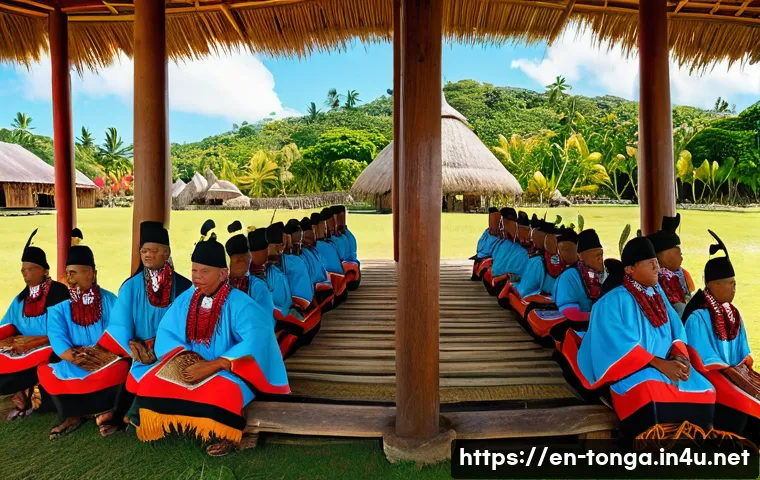
Tonga’s cultural identity is deeply connected to its land and sea, with traditions shaped by the environment. Rising seas threaten sacred sites, burial grounds, and places of historical significance.
Elders I spoke with expressed concern about losing these irreplaceable links to their ancestors. Protecting cultural heritage requires integrating indigenous knowledge into adaptation strategies and ensuring that development respects cultural values.
This connection to place is a source of resilience but also a source of grief as landscapes transform.
Community Mental Health and Wellbeing
The psychological effects of climate change on Tongan communities are often overlooked but significant. Anxiety about displacement, loss of livelihoods, and environmental degradation impacts mental health.
During my visits, I encountered individuals coping with uncertainty and grief, highlighting the need for psychosocial support in climate adaptation programs.
Community gatherings and traditional practices play a role in fostering resilience, but formal mental health services are limited. Addressing these emotional challenges is vital for sustaining community strength in the face of ongoing change.
Youth Engagement and Future Leadership
The younger generation in Tonga is increasingly aware of climate issues and eager to contribute to solutions. Youth-led initiatives in environmental education, advocacy, and conservation are emerging, injecting fresh energy into community efforts.
I’ve been inspired by young leaders who organize beach cleanups and promote sustainable practices in schools. Empowering youth with knowledge and resources is crucial for ensuring long-term resilience.
Their involvement also helps bridge generational gaps and fosters a shared vision for Tonga’s future amid environmental uncertainty.
Summary of Tonga’s Climate Vulnerability and Adaptation Efforts
| Aspect | Impact | Community Response | Challenges |
|---|---|---|---|
| Coastal Erosion | Land loss, damaged homes | Seawall construction, elevated housing | Limited funding, technical expertise |
| Flooding & Saltwater Intrusion | Crop damage, freshwater contamination | Improved drainage, salt-tolerant crops | Resource constraints, unpredictable weather |
| Marine Habitat Decline | Coral bleaching, reduced fish stocks | Mangrove restoration, reef monitoring | Climate variability, funding gaps |
| Economic Impact | Reduced fisheries, agricultural losses | Diversification, eco-tourism | Market access, income instability |
| Social & Cultural | Loss of heritage sites, mental health issues | Community-led preservation, youth engagement | Limited services, cultural sensitivity |
| Policy & Finance | Need for adaptation funding | Government plans, international aid | Complex funding processes, coordination |
글을 마치며
The environmental challenges facing Tonga’s coastline are complex and deeply impactful, touching every aspect of life from livelihoods to culture. While the road ahead is fraught with difficulties, the resilience and determination of local communities provide a hopeful path forward. By combining traditional wisdom with modern strategies, Tonga is actively working to safeguard its future. Collective efforts, supported by strong policies and international cooperation, will be essential in navigating these changes.
알아두면 쓸모 있는 정보
1. Coastal erosion in island nations like Tonga accelerates land loss, affecting housing and agriculture more rapidly than expected.
2. Saltwater intrusion from rising sea levels contaminates freshwater supplies and damages staple crops, threatening food security.
3. Mangrove and coral reef restoration projects not only protect ecosystems but also strengthen local fisheries and cultural practices.
4. Community-led adaptation, including resilient infrastructure and conservation, is vital but often limited by funding and technical expertise.
5. Youth engagement and mental health support play crucial roles in building long-term resilience against climate change impacts.
핵심 내용 요약 및 주의점
Tonga’s coastline is undergoing rapid environmental shifts that threaten both natural habitats and human settlements. Effective adaptation requires a balanced approach integrating scientific solutions with cultural respect and community involvement. Funding constraints and policy complexities remain significant barriers, making international support and regional cooperation critical. Importantly, addressing social dimensions such as mental health and cultural preservation is as vital as tackling physical impacts. Sustainable progress depends on inclusive planning, ongoing education, and empowering local leaders to drive change.
Frequently Asked Questions (FAQ) 📖
Q: How is rising sea level specifically affecting Tonga’s environment and communities?
A: Rising sea levels are causing significant coastal erosion in Tonga, washing away beaches and damaging coral reefs that protect the islands. This leads to increased flooding, especially during storms, which threatens homes, freshwater supplies, and agricultural land.
Many communities are already seeing saltwater intrusion into their crops and wells, making traditional farming and fishing more difficult. The loss of natural habitats also impacts biodiversity, which is closely tied to local livelihoods.
Q: What measures is Tonga taking to combat or adapt to the impact of rising seas?
A: Tonga has been actively working on coastal protection projects, such as building seawalls and restoring mangrove forests that act as natural buffers against waves and erosion.
The government is also collaborating with international organizations to improve early warning systems for storms and flooding. Additionally, there’s a push to diversify the economy and promote sustainable practices to reduce environmental stress.
However, the scale of the problem means Tonga still faces enormous challenges that require global climate action alongside local efforts.
Q: Why is it important for the global community to pay attention to Tonga’s situation?
A: Tonga’s struggle with rising sea levels highlights the urgent reality many small island nations face, often bearing the brunt of climate change despite contributing least to global emissions.
The island’s experience underscores the need for international support in climate adaptation funding, technology transfer, and emissions reduction commitments.
Moreover, protecting places like Tonga preserves unique cultures and ecosystems that are invaluable to our global heritage. Their story is a powerful reminder that climate change is a shared challenge demanding collective responsibility.