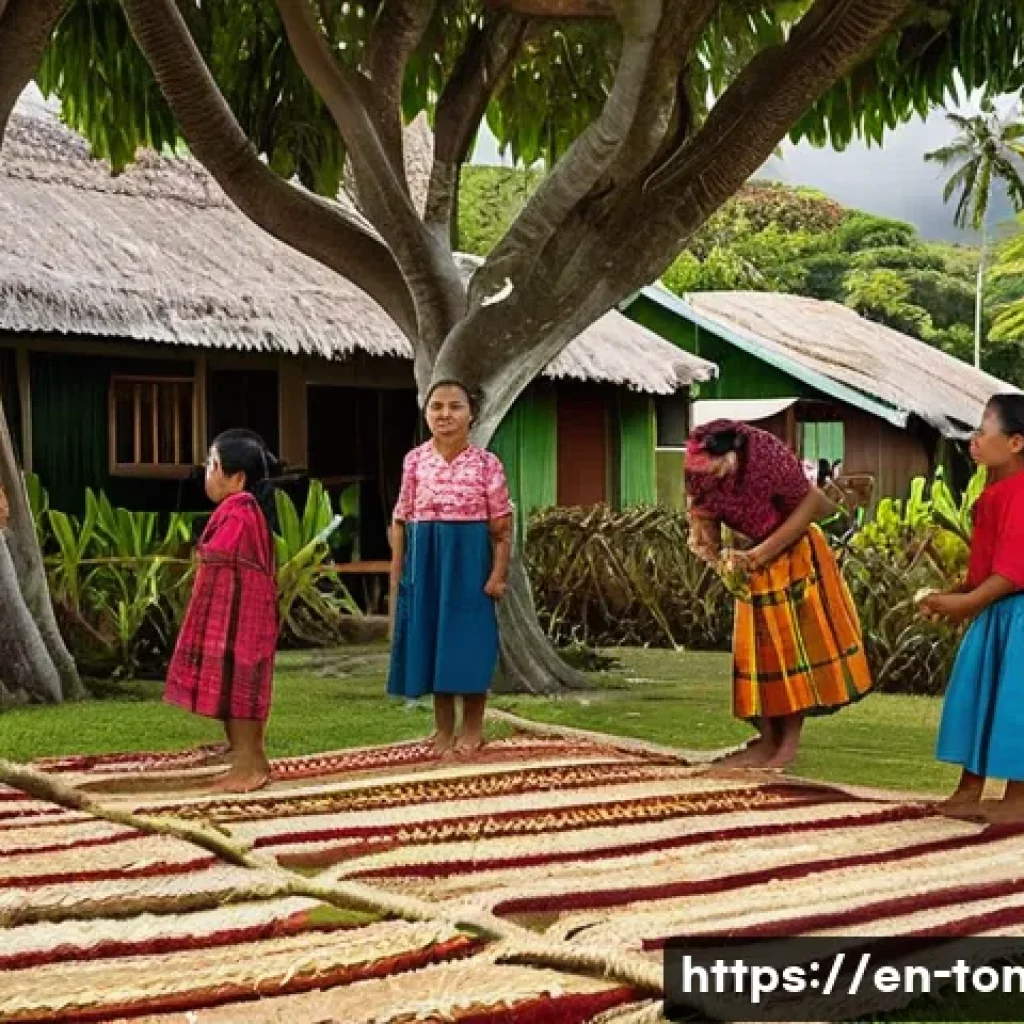
Hey there, fellow culture explorers! I’ve recently been captivated by the vibrant heartbeat of childhood in Tonga, and let me tell you, it’s truly something special.
Far from the screens and digital distractions many of our kids grow up with today, Tongan children are immersed in a world rich with age-old traditions and playful learning.
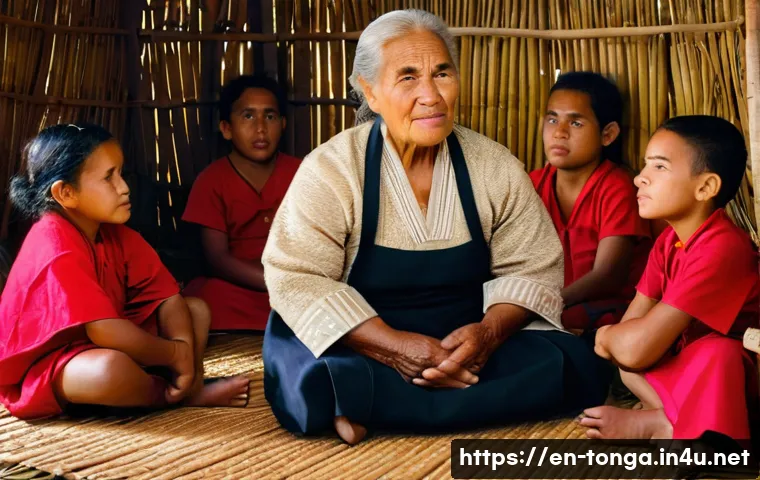
Their traditional games aren’t just for fun; they’re living lessons that pass down language, respect, and a deep connection to their heritage. If you’re curious about how these incredible islanders weave ancient wisdom into everyday play, and how their unique culture shapes the next generation, you’re in for a treat.
Let’s delve into the fascinating world of Tongan traditional games and children’s culture right now!
Island Rhythms: Where Play and Pedagogy Dance Together
Stepping into the world of Tongan childhood is like discovering a hidden garden, bursting with life and vibrant lessons. What really struck me, and what I believe is so incredibly special, is how play isn’t just about blowing off steam; it’s a deep dive into their heritage. These traditional games, many passed down through countless generations, are essentially living textbooks. They’re where children learn not just how to win, but how to share, how to respect elders, and even how to master their language. You see, the fun isn’t separate from the learning; it’s intricately woven together, creating an educational experience that feels completely natural and joyous. It’s a stark contrast to some of the structured learning environments many of us grew up in, and honestly, it’s incredibly effective. The energy these kids bring to their games is infectious, and as I watched them, I couldn’t help but feel a pang of nostalgia for a simpler, more connected way of growing up. It truly is a beautiful thing to witness the “Tongan way” (Anga FakaTonga) unfold through the laughter and movements of its youngest members. Their playscapes are often the natural environment itself – the beach, the village green, or even just a shady spot under a mango tree, reinforcing a deep connection to their island home. I’ve personally seen how these seemingly simple activities foster a profound sense of cultural identity and belonging, an invaluable treasure in today’s rapidly changing world.
More Than Just Fun: The Deeper Purpose of Tongan Games
From my own observations, it’s clear that Tongan traditional games serve a purpose far beyond mere entertainment. They are critical cultural conduits, silently (and sometimes boisterously!) transmitting core values and life skills. When kids are engrossed in a game like ‘pele, hiko, or moa, they’re not just having a good time; they’re developing hand-eye coordination, numerical skills, and even an understanding of social dynamics. For example, some games emphasize cooperation and collective effort over individual triumph, which reinforces the communal spirit that is so vital in Tongan society. This hands-on, immersive learning is incredibly powerful. I remember one afternoon watching a group of children playing, and you could just see the gears turning as they strategized and communicated in Tongan, reinforcing their language skills without even realizing it. It makes you think about how we often separate learning from play, when in reality, they can be so beautifully intertwined. These games are a testament to the wisdom embedded in ancient traditions, proving that fun and profound education can absolutely go hand-in-hand.
Learning Through Laughter: How Kids Absorb Culture
There’s a beautiful spontaneity to how Tongan children absorb their culture. It’s not through rigid lessons or endless lectures, but through the sheer joy of playing. Imagine learning complex social hierarchies, the nuances of your native tongue, or the importance of respect simply by trying to outwit your friends in a game. That’s the magic I’ve witnessed here. Whether it’s the rhythm of a song accompanying a juggling game or the specific phrases used in a tag-like chase, every element of play is a mini-lesson. It fosters a deep, intrinsic understanding of what it means to be Tongan, instilling values like humility and generosity from a very young age. I truly believe that this playful approach to cultural transmission creates a much stronger, more resilient connection to their heritage than any textbook ever could. The laughter, the camaraderie, the occasional playful squabble – it all builds a foundation of shared experience that cements their cultural identity for life. It’s a holistic approach to childhood development that genuinely nurtures both the individual and the community.
The Heartbeat of Home: Family’s Role in a Tongan Childhood
If there’s one thing that truly defines childhood in Tonga, it’s the all-encompassing embrace of family. This isn’t just about parents and siblings; we’re talking about the ‘kainga,’ the extended family network that forms the very backbone of Tongan society. I’ve been so touched by how children are seen as belonging not just to their immediate parents, but to the entire family unit, often living across multiple households. This creates a safety net of love and support that is incredibly powerful. Every elder, every aunt, uncle, or cousin, plays a role in a child’s upbringing, contributing to their physical, emotional, and cultural development. It means that children are constantly surrounded by role models and caregivers, learning by observation and participation. When I think about my own childhood, it was mostly nuclear, so seeing this vibrant, interwoven family structure in Tonga has been truly eye-opening. There’s a constant hum of activity, shared meals, and storytelling that strengthens these bonds every single day. The values instilled in these homes – respect, humility, and generosity – are not just talked about; they are lived and breathed in every interaction, shaping young hearts and minds from the earliest age. It’s a beautiful testament to the strength of community and collective responsibility.
Extended Families, Endless Love: The “Kainga” Connection
The “kainga” system in Tonga is truly something remarkable, a beautiful web of relatives that extends far beyond what many Western societies consider a typical family. I’ve observed how children are raised with this incredible sense of belonging, knowing they have a vast network of support and guidance. It’s not uncommon for children to spend time living with grandparents, aunts, or uncles, which exposes them to a broader range of experiences and perspectives. This communal child-rearing means more hands to help, more voices to teach, and more hearts to love. It really reinforces the idea that “it takes a village” – a vibrant, bustling village that celebrates every child. From personal anecdotes, I’ve heard stories of how this extended family unit provides not just emotional, but often financial support, ensuring that no family member is left to struggle alone. This unwavering solidarity fosters a strong sense of identity and mutual obligation among children, teaching them the importance of loyalty and looking out for one another from their very first steps.
Respect, Humility, and the Tongan Way of Life
At the core of the Tongan way of life, or “Anga FakaTonga,” are deeply ingrained values that children learn from birth: faka’apa’apa (respect), lototoo (humility and generosity), and tauhi vaha’a (loyalty and commitment). I’ve found it fascinating how respect, in particular, permeates every aspect of daily life. Children are taught to show reverence for elders, for their heritage, and even for the land itself. This respect is demonstrated in subtle ways, from how they speak to how they sit, and it truly shapes their interactions. Humility is another cornerstone; rather than boasting, children are encouraged to downplay achievements and emphasize collective effort. This promotes a sense of equality and collaboration. My experience has shown me that these values aren’t just abstract concepts; they are actively taught and reinforced through stories, songs, and of course, those traditional games. It creates a societal fabric where everyone understands their role and contributes to the well-being of the whole, a truly beautiful and harmonious approach to raising the next generation.
Echoes of Ancestry: Traditional Games That Live On
Oh, the games! They are truly the soul of Tongan childhood, and what a joy it has been to explore them. These aren’t just fleeting trends; they are echoes of ancestry, bringing history and culture alive for every new generation. From what I’ve seen, these traditional games are far more than simple pastimes; they are platforms for developing crucial skills – both physical and mental – while simultaneously imbuing children with a deep appreciation for their cultural roots. It’s an immersive, tactile experience that you just don’t get from staring at a screen. I’m always amazed at how these games, often using simple, natural materials like stones or sticks, can capture a child’s imagination so completely. They foster creativity, problem-solving, and social interaction in a way that feels utterly organic. Every game tells a story, every movement has a meaning, and every shared laugh creates a memory that ties children to their rich heritage. It’s a living, breathing tradition that I sincerely hope continues to thrive, even as modern influences knock at the door. I truly believe that the wisdom embedded in these ancient playscapes is invaluable for developing well-rounded, culturally connected individuals.
Hiko: The Graceful Art of Juggling and Storytelling
When you talk about Tongan games, Hiko often comes up, and it’s a real beauty to behold! This multi-generational juggling game is predominantly played by women and girls, and it’s just mesmerizing. Imagine juggling several tui-tui nuts (candle nuts) or small stones, often while singing traditional Tongan songs. It’s not just about keeping the objects in the air; it’s about grace, rhythm, and the stories carried in the songs. I heard one fascinating tale that in the past, a woman’s skill at Hiko could even be a sign of her desirability for marriage, with the most skilled jugglers seen as the most appealing. While that aspect might be less prominent today, the game’s cultural significance remains. It encourages incredible hand-eye coordination, focus, and a beautiful connection to Tongan melodies and narratives. I’ve personally tried to learn a few moves, and let me tell you, it’s much harder than it looks, requiring serious dedication and practice! The focus required and the progression through stages as confidence grows is a fantastic lesson in perseverance.
Heu: A Boy’s Game of Skill and Language
Heu is another traditional game, primarily played by Tongan boys, and it’s full of energy and strategic thinking. It involves two sticks – one short, one long. The short stick is placed over a small hole in the ground, and players use the long stick to hit it away. The goal is to hit it as far as possible, and if fielders catch it, the hitter is out. If not, the fielders try to hit the long stick, which is placed across the hole. It’s a game that demands sharp hand-eye coordination, timing, and physical agility, similar to some Western stick-and-ball games but with its own unique Tongan flair. More than just physical prowess, Heu encourages Faka-Tonga, the Tongan language, as boys communicate strategies and call out plays. It’s a vibrant, active game that builds teamwork and quick thinking, fostering a healthy competitive spirit while reinforcing cultural communication. I’ve heard the shouts and laughter of boys playing Heu, and it’s clear they’re having an absolute blast while subtly learning valuable life lessons.
Lafo: The Shuffleboard of the Pacific
For something a bit more relaxed but equally steeped in tradition, there’s Lafo. This game is often described as the Tongan version of shuffleboard, but with a unique twist: it’s played with seeds on a piece of cloth. Families and communities often gather in a “game house” to enjoy Lafo, making it a wonderful social activity. It requires precision, strategy, and a gentle touch as players slide their seeds across the mat, aiming for specific spots or trying to knock out opponents’ pieces. What I love about Lafo is its inclusive nature; it’s a game that brings people of all ages together, from young children to respected elders. It’s a fantastic way for families to bond, share stories, and simply enjoy each other’s company, all while engaging in a beloved traditional pastime. It speaks volumes about a culture that values connection and communal leisure, using simple materials to create rich, shared experiences. I’ve sat and watched for ages, completely captivated by the quiet intensity and camaraderie of the players.
Here’s a quick look at some of these fantastic games and the benefits they bring:
| Traditional Game | Primary Players | Key Skills & Cultural Values Fostered |
|---|---|---|
| Hiko (Juggling) | Girls/Women | Hand-eye coordination, rhythm, memory (songs), grace, cultural storytelling. |
| Heu (Stick Game) | Boys/Men | Hand-eye coordination, timing, physical movement, strategic thinking, Tongan language use. |
| Lafo (Shuffleboard) | Mixed (Families/Community) | Precision, strategy, social interaction, patience, communal bonding. |
| ‘Pele (Counting Game) | Children | Numeracy, quick thinking, social interaction, turn-taking. |
Childhood’s Canvas: Daily Adventures and Shared Experiences
Life for a Tongan child isn’t just about structured play or formal schooling; it’s a rich tapestry woven with daily adventures and shared experiences that inherently shape who they become. From the moment they wake up, there’s a gentle rhythm to their days, often beginning with the sounds of the village coming alive. Their “classroom” extends far beyond four walls, encompassing the family home, the bustling village paths, and the boundless beauty of the island itself. I’ve often thought about how truly connected they are to their environment, understanding the cycles of nature and the importance of sustainability in a way that feels deeply ingrained, not taught from a textbook. Their childhood isn’t isolated; it’s communal, filled with constant interaction, observation, and participation in the adult world. This hands-on approach to learning about their environment and community is incredibly effective in building capable, resilient individuals. My own experiences visiting Tongan villages have shown me how every day presents an opportunity for learning and growth, making for a truly holistic upbringing where practical skills and cultural wisdom are acquired seamlessly. It’s a beautiful, natural way to grow up, full of lessons etched into their daily routines.
From Village Chores to Beachside Bliss
A significant part of a Tongan child’s daily life involves contributing to the family and household. Chores aren’t just tasks; they are early lessons in responsibility, cooperation, and community. Whether it’s helping tend to the family garden, fetching water, or assisting with food preparation – often involving traditional cooking methods – children learn the value of hard work and the importance of their role within the ‘kainga’. What struck me most is that these responsibilities aren’t seen as burdens, but as natural contributions to the collective well-being. And after the work is done, there’s often the glorious reward of beachside bliss. The beaches become their playgrounds, where they swim, fish, and invent their own games in the sand and shallows. It’s a perfect balance, I think – a childhood that instills a strong work ethic alongside ample opportunities for free, imaginative play in one of the most beautiful settings imaginable. I’ve personally observed children moving effortlessly from diligent tasks to uninhibited laughter on the shore, embodying the resilience and joy that seems so characteristic of Tongan youth.
Stories, Songs, and the Magic of Oral Tradition
The air in Tonga seems to hum with stories and songs, making oral tradition a vibrant, living force in children’s lives. Far from being a relic of the past, storytelling is a beloved activity, often shared during evening gatherings or quiet moments with grandparents. These tales aren’t just entertainment; they’re vital carriers of history, mythology, moral lessons, and ancestral knowledge. Children learn about their gods, their heroes, and the proper way to navigate their world through these captivating narratives. And then there’s the music! Tongan children grow up surrounded by song – from church hymns on Sunday, which is a very important day of rest and worship, to traditional folk songs and dances. Every high school even has a brass band, which I think is a wonderful detail! Music and dance are integral to their cultural identity, teaching rhythm, coordination, and a profound connection to their heritage. I’ve been completely charmed by their beautiful voices and the way every performance, whether formal or impromptu, is filled with passion and pride. It’s a truly magical way to learn, ensuring that the wisdom of generations past continues to resonate in the hearts of the young.
Navigating Modern Tides: Preserving Heritage in a Digital Age
In our increasingly globalized world, it’s inevitable that modern influences will reach even the most remote corners, and Tonga is no exception. Children today have access to smartphones, television, and all the digital distractions that many of us are familiar with. This presents a fascinating challenge: how do you keep ancient traditions and games alive when a whole new world of entertainment is just a tap away? From what I’ve gathered and observed, the spirit of preserving their unique heritage is incredibly strong. There’s a concerted effort from communities, educators, and families to ensure that the richness of Tongan culture isn’t lost amidst the influx of modern trends. It’s a delicate balance, one that many cultures around the world are grappling with. But what I truly admire is the proactive approach Tongans take, recognizing the invaluable wisdom embedded in their traditions and actively working to pass it on. It reminds us that our roots are essential, no matter how fast the world outside spins. I’ve seen schools and community groups actively reintroducing and celebrating these traditional games, making them relevant and exciting for today’s children, which I think is a brilliant strategy.
Bridging Generations: Keeping Old Games Alive
One of the most heartwarming aspects of Tongan children’s culture is the intentional effort to bridge generations through traditional games. It’s not just about teaching a game; it’s about creating shared experiences that connect the young with their elders, who are the custodians of this cultural knowledge. I’ve personally seen initiatives where traditional games like Hiko and Heu are being revitalized in schools and community programs, ensuring that even the “digital generation” gets to experience the joy and learning these games offer. Teachers, parents, and community leaders understand that these games are not just fun; they are vital for language retention, physical development, and reinforcing Tongan values. The laughter and engagement I’ve witnessed during these sessions are undeniable proof that these ancient forms of play still resonate deeply with children today. It’s about showing them that their heritage is dynamic and exciting, not just something from the history books. This conscious effort to integrate traditional play into modern life is, in my opinion, a brilliant way to ensure that these invaluable cultural treasures continue to thrive for years to come.
The Enduring Spirit: Why These Traditions Matter Today
The question often arises: why do these ancient traditions matter so much in the 21st century? From my perspective, the answer lies in the incredible resilience and cultural identity they foster. In a world where screens can often isolate us, Tongan traditional games and cultural practices emphasize connection – connection to family, community, language, and land. They teach children values like respect, humility, and cooperation, which are more vital than ever. These traditions provide a strong anchor, a sense of belonging that helps children navigate the complexities of modern life with confidence and a clear understanding of who they are. They are a source of pride, a unique heritage that sets them apart. I’ve learned that preserving these traditions isn’t just about nostalgia; it’s about investing in the holistic development and well-being of future generations. The vibrant, living culture of Tongan childhood is a testament to the enduring power of community and tradition, a beautiful reminder that some of the most profound lessons are learned through the simplest, most joyful acts of play.
Closing Thoughts
As I reflect on the vibrant tapestry of Tongan childhood, it’s truly remarkable how deeply intertwined play, family, and tradition are in shaping young lives. Witnessing their natural, joyous approach to learning, whether through a spirited game of Hiko or the gentle guidance of the ‘kainga,’ has been a profound experience. It’s a powerful reminder that some of the most enduring lessons are found not in textbooks, but in the heart of community and the echoes of ancestry. This journey has left an indelible mark on me, underscoring the universal truth that a strong sense of belonging and heritage is the most precious gift we can give our children.
Useful Information to Know
1. Visiting Tonga: The best time to experience Tonga’s charm is during the dry season, from May to October, offering pleasant weather for island exploration and activities. Embrace the laid-back rhythm of life here; things move at their own pace.
2. Cultural Etiquette: Respect is paramount in Tongan society. When visiting villages or attending church services, which are central to Tongan life, ensure you’re dressed modestly. Sundays are a sacred day of rest and worship, so most shops and services will be closed.
3. Language Basics: While English is commonly understood, particularly in tourist areas, making an effort to learn a few Tongan phrases like ‘Mālō e lelei’ (Hello) or ‘Fakamālō atu’ (Thank you) will be genuinely appreciated and can open doors to deeper connections.
4. Local Cuisine: Be sure to indulge in traditional Tongan dishes. ‘Ota ‘ika, a refreshing raw fish salad marinated in coconut cream, and ‘Lu pulu,’ taro leaves baked with corned beef and coconut cream, are absolute must-tries that offer a true taste of the islands.
5. Supporting Local Artisans: When looking for mementos, consider purchasing handicrafts directly from local markets or artisans. This not only gives you an authentic piece of Tongan culture but also directly supports the community and helps sustain traditional craft techniques.
Key Takeaways
What truly resonates from my time exploring Tongan childhood is the enduring power of community, the profound wisdom embedded in traditional play, and the deep-seated respect woven into every aspect of life. These children are raised with an intrinsic connection to their culture, learning critical life skills and values not through rote memorization, but through active participation and joyous interaction. It’s a beautiful testament to a holistic approach to growing up, proving that the deepest roots yield the strongest branches, ready to navigate any modern tide with confidence and a clear sense of identity.
Frequently Asked Questions (FAQ) 📖
Q: How do traditional Tongan games truly shape a child’s understanding of their heritage and language in such a screen-free environment?
A: Oh, this is such a fascinating point, and honestly, it’s something that really struck me when I looked into it! You know, in our modern world, we often worry about kids losing touch with their roots, right?
But in Tonga, these traditional games are like living textbooks. From what I’ve observed and learned, children aren’t just playing; they’re actively doing culture.
Think about it: when they’re playing ‘Sika’ (a spear-throwing game, by the way!), they’re not just learning coordination; they’re hearing the calls and chants in Tongan, learning about ancient warrior skills, and understanding the respect for the land and their elders who often teach these games.
It’s all about oral tradition and practical application. I mean, I’ve heard stories of kids learning complex family genealogies just through storytelling games, or developing their Tongan vocabulary by mimicking the sounds and actions required in a traditional dance-game.
It’s not forced learning; it’s an organic, joyful immersion that naturally embeds the language, history, and social etiquette deep into their hearts and minds.
It’s truly incredible to see how effective this age-old method is compared to, dare I say, some of our more structured approaches. It fosters a deep, intrinsic pride in who they are and where they come from.
Q: What are some of the most popular traditional Tongan games, and what makes them so special and enduring for children today?
A: That’s a brilliant question, and honestly, diving into the actual games themselves is where the magic really happens! While I haven’t personally played all of them, the research and stories I’ve collected truly paint a vivid picture.
One that always comes to mind is ‘Langa Fonua’, which roughly translates to “building the land.” It’s often played by younger children, using natural materials like leaves and sticks to build miniature villages or landscapes.
It’s not just imaginative play; it teaches them about community planning, resourcefulness, and the interconnectedness of their environment. Then there’s ‘Heu’, a form of hide-and-seek, but often with a unique Tongan twist where the “seeker” might have to perform a specific chant or action.
And of course, ‘Sika’, which I mentioned earlier, involves throwing a long wooden dart. What makes these games truly special, in my opinion, is their communal spirit and adaptability.
They’re rarely played alone; they foster teamwork, communication, and healthy competition. They don’t require fancy equipment – just nature and imagination!
This means they’re accessible to everyone, everywhere on the islands. When I think about it, the enduring appeal comes from this blend of physical activity, mental engagement, and social bonding, all while subtly reinforcing Tongan values like respect, cooperation, and resilience.
It’s a holistic play experience that keeps them connected to their roots and each other.
Q: In a world dominated by digital screens, how does Tongan children’s experience, so rich in traditional play, influence their social skills and overall development compared to kids growing up with more technology?
A: This is a question that truly makes you pause and reflect, isn’t it? As someone who sees the impact of screens daily, I’ve really pondered this. My gut feeling, backed by what I’ve learned, is that Tongan children gain something incredibly valuable from their screen-free, tradition-rich upbringing: an extraordinary depth in their social and emotional intelligence.
When kids are constantly interacting face-to-face, negotiating game rules, sharing laughter, and sometimes even resolving little squabbles over a game of ‘Heu’, they’re building real-world social muscles.
They learn empathy by reading facial expressions and body language, patience by waiting their turn, and conflict resolution by working things out verbally.
I mean, think about it – there’s no “mute” button or “block” feature in real-life play! This constant, unmediated interaction seems to foster a strong sense of community and belonging from a very young age.
They’re growing up with a profound understanding of family and social hierarchies, respect for elders, and the importance of contributing to the group.
From my perspective, while technology offers certain cognitive benefits, the sheer amount of direct human connection and collaborative problem-solving inherent in Tongan traditional play seems to cultivate a more robust, grounded, and emotionally intelligent individual, deeply integrated into their cultural fabric.
It’s a beautiful, human-centric way of growing up.