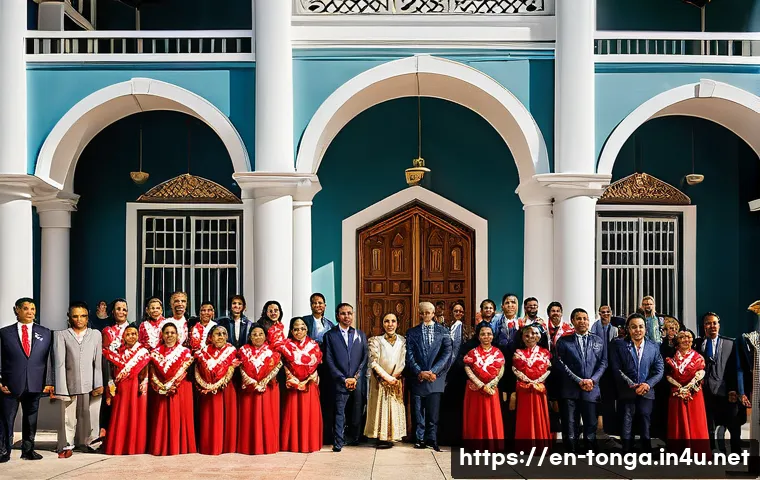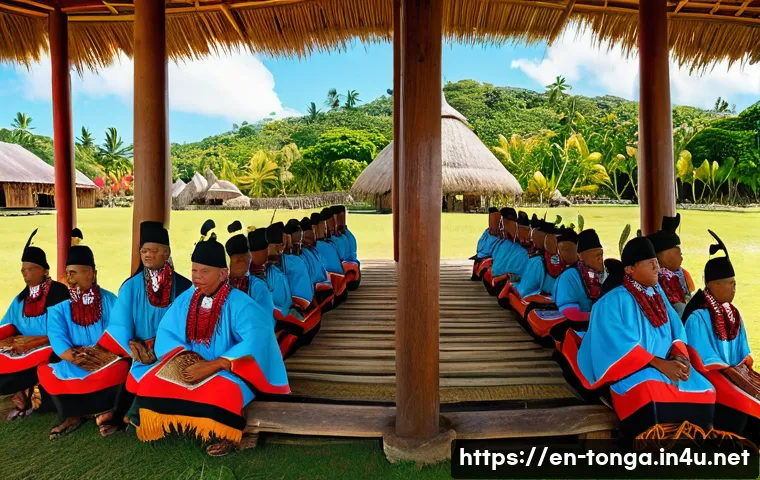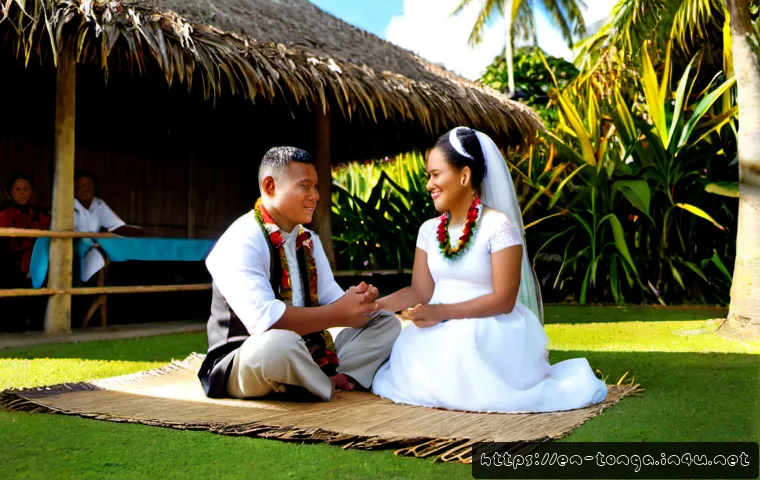
A respectful Tongan wedding starts with family consultation, early church and legal confirmation, and itemised supplier quotes in Tongan paʻanga (TOP).
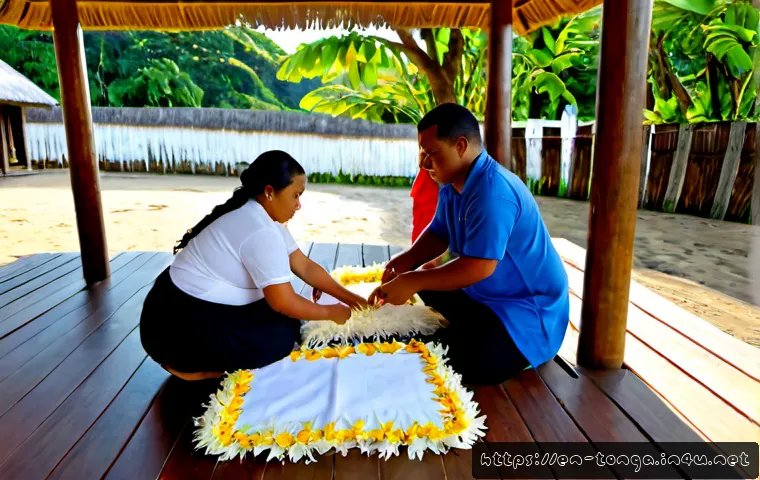
The exact traditions and responsibilities differ by family, denomination, village, and island, so no outside planning template should replace local guidance.
Couples can manage many details with relatives, choose a venue package for clearer service boundaries, or use a local wedding planner or cultural coordinator when communication and logistics become complex.
This is especially useful for destination couples arranging catering, photography, guest transport, accommodation, and ceremony timing from overseas. The best choice is usually the one that gives elders and both families a clear voice while keeping costs, deposits, and vendor responsibilities visible.
At a Glance
- Consult both families first: elders, relatives, and wider family relationships may shape the celebration as much as the ceremony itself.
- Separate the plans: confirm church, legal, reception, and customary arrangements individually before paying deposits.
- Request itemised TOP quotes: check what is included for food, transport, accommodation, photography, gifts, and venue services.
| Planning approach | Cultural guidance | Time and flexibility | Cost control |
|---|---|---|---|
| Family-led planning | Strong when local relatives can advise on family expectations and ceremony customs. | Flexible, but requires clear communication between many people. | Ask who approves spending and request written supplier details. |
| Venue package | May simplify reception services, but customary details still need family confirmation. | Often easier for couples who want defined services. | Compare inclusions, exclusions, deposits, and changes in writing. |
| Local wedding coordinator | Can help connect family expectations with vendors and event logistics. | Useful for overseas couples or multi-vendor events. | Clarify the coordinator’s role, supplier responsibilities, and all quoted costs. |
What Makes a Wedding in Tonga Different?
Three quick planning priorities for couples and guests
A Tongan wedding is commonly more than a legal ceremony or a reception booking. It may involve a church ceremony, family-led celebrations, gift exchanges, and decisions that reflect respect for kinship. Start by asking both families what needs to be discussed before invitations, clothing, catering, photography, or venue plans are confirmed. Family consultation, church or legal confirmation, and written local quotes are the practical first three steps.
Why family relationships shape the event as much as the ceremony
Respect for elders, extended family, and social relationships is central to formal occasions in Tonga. That means a couple should not assume that the people paying, speaking, giving gifts, or making final decisions will follow a familiar destination-wedding pattern. A respectful approach is to ask who should be included in early conversations and who needs to approve key choices. This can prevent an invitation, reception plan, or vendor booking from moving ahead before the appropriate family discussion has happened.
Church, legal, and reception plans: keep them separate from the start
Christianity has a major role in Tongan public and family life, and many couples coordinate their wedding with a church and religious calendar. A church ceremony, legal marriage process, and family reception may each have different requirements and decision-makers. Keep a separate checklist for each area rather than treating them as one booking. International couples should verify legal marriage requirements with the appropriate Tongan authorities and their ceremony provider before making travel-dependent arrangements.
Traditional Elements to Discuss With Both Families
Respectful roles for elders, relatives, and the wider community
Ask families how they would like elders and relatives to participate. The exact order of speeches, ceremonial roles, and family responsibilities is not universal. It can vary by household, denomination, island, and village. Do not assign roles based on assumptions. A short conversation before printing programmes or confirming a reception schedule can be more useful than copying a format from another wedding.
Gift exchanges, ngatu, fine mats, and culturally meaningful presentation
Gift-giving can be an important part of Tongan wedding celebrations. Cloth items such as ngatu, or barkcloth, and fine mats may have cultural significance. Families may also refer to koloa, a term associated with valuable traditional women’s wealth and gift items. Whether these items are included, who presents them, and how they are displayed should be discussed with the families involved. A wedding planner or cultural liaison can help with coordination, but family guidance should remain the starting point.
Dress, language, music, and photography expectations to clarify in advance
Tongan is spoken alongside English, yet family discussions and ceremonial language may be primarily in Tongan. Ask whether bilingual support would be helpful for the couple, guests, photographer, or master of ceremonies. Also confirm expectations for dress, music, photography, and filming with the church, venue, and family representatives. A photographer should not assume access or timing is permitted simply because it is allowed at another event.
Planning Options, Budget Categories, and Value for Money
Family-led event vs venue package vs local wedding coordinator
Family-led planning may be the most natural option when relatives can coordinate confidently with churches, venues, caterers, and guests. A venue package can suit couples who prefer a defined set of reception services, although it does not automatically resolve customary decisions. A Tonga-based wedding planner or cultural coordinator may be valuable when a couple is overseas, communication is split between English and Tongan, or several suppliers must work to one schedule.
The important question is not which option is “best” in general. It is who can communicate clearly, confirm permissions, and keep responsibilities visible. Compare each option based on cultural guidance, supplier coordination, flexibility, and the ability to obtain written details.
Building a budget in Tongan paʻanga: ceremony, food, transport, lodging, and gifts
Use Tongan paʻanga (TOP) as the working currency for local planning. Instead of relying on a single total, create categories for ceremony arrangements, reception venue, catering, photography, guest transport, accommodation, décor, and gifts. Add a separate line for any family-led customary items that have been agreed upon. This structure helps couples see which decisions affect the budget most, without assuming fixed local prices.
For destination weddings, transport and lodging deserve early attention. Guests may have different arrival times, mobility needs, and island travel arrangements. Ask suppliers whether their quote covers delivery, set-up, transport, service time, or other practical elements. A low initial quote is not automatically the lower overall cost if essential services are not included.
Questions to ask before accepting a supplier quote or paying a deposit
Request an itemised quote in writing and ask what is included, what is excluded, and what must be confirmed later. Check the deposit amount, payment timing, cancellation or change conditions, and the person responsible for communication on the day. For catering, photography, venue packages, transport, and accommodation, confirm dates, service hours, guest assumptions, and any permissions needed. If family members are coordinating part of the celebration, make sure their role and the vendor’s role do not overlap or leave a gap.
Practical Steps and Common Etiquette Mistakes to Avoid
Start with family and church conversations before booking vendors
Booking a venue or photographer before speaking with family may create avoidable pressure later. Begin with a simple family-first checklist: church plans, legal requirements, reception location, guest transport, accommodation, customary gifts, dress, language support, and photography expectations. Then identify which items need family approval, church approval, supplier confirmation, or official verification.
Confirm permissions for venues, ceremonies, photographs, and guest logistics
Permissions can differ by church, village, island, and provider. Confirm ceremony timings, music, dress, photography, and venue access directly with the relevant people. Do the same for guest logistics, especially when older relatives or larger groups need accommodation and transport. Written confirmation reduces the risk of treating an informal conversation as a final arrangement.

Avoid assumptions about who gives gifts, pays, speaks, or makes final decisions
One of the easiest mistakes is applying a standard wedding checklist without adapting it to the family. Do not assume who provides gifts, who pays particular costs, or who speaks during formal moments. Ask respectfully, listen to the answer, and record agreed decisions clearly. This is not about making the event less personal; it is about giving family relationships the care they deserve.
Guidance for Destination Couples and Overseas Guests
Allow time for travel, weather changes, and island transport arrangements
Destination couples should leave room in the schedule for travel changes and transport coordination. A wedding plan can look simple on paper while still involving arrivals, luggage, accommodation check-ins, and group movements. Keep ceremony, reception, and guest transport contacts organised in one shared document. Confirm the practical plan with local providers rather than relying only on an overseas itinerary.
How to choose accommodation and transport that work for older relatives and groups
For family groups, convenience matters as much as appearance. Compare accommodation and transport options based on location, group coordination, and the needs of older relatives. Ask whether guests can reach the ceremony and reception without complicated transfers. If a venue package does not include transport or lodging support, those costs and responsibilities should appear separately in the TOP budget.
When a bilingual local coordinator can reduce misunderstandings
A bilingual coordinator can be helpful when family conversations are mainly in Tongan while vendors or overseas guests are communicating in English. This support can be particularly useful for coordinating photography permissions, guest transport, catering timing, and venue communication. Before hiring anyone, clarify whether they are acting as a planner, a cultural liaison, a vendor contact, or all of these. Their exact responsibilities should be clear to both families and suppliers.
Choosing Support for Your Wedding Day: A Comparison Summary
Choose family-led planning when local relatives can coordinate confidently
Family-led planning may fit when relatives have time, local knowledge, and clear communication with the church, venue, and suppliers. It works best when decisions, spending approvals, and day-of responsibilities are discussed early.
Choose a package when simplicity and defined services matter most
A venue package may suit couples who want a clearer structure for reception services. Before choosing one, compare the service list with your family’s plans for gifts, cultural presentation, guest transport, catering, décor, and photography.
Choose a cultural coordinator when etiquette, communication, and multi-vendor planning need support
A local wedding planner or cultural coordinator can be a sensible option when there are overseas guests, language differences, multiple suppliers, or uncertainty around local etiquette. Their value depends on a clearly defined role, respectful family communication, and transparent written costs.
Decision Criteria and Comparison Summary
Before choosing support, check who has family approval, whether church and legal steps are separately confirmed, what each venue or planner package includes, how guest transport and accommodation will work, and whether every quote is itemised in TOP. Compare local wedding planners, venue packages, caterers, photographers, transport providers, and accommodation options on responsibilities rather than headline price alone. For final conditions, availability, and inclusions, review the relevant provider’s official details before paying a deposit.
In Closing
A Tongan wedding can be planned respectfully without trying to force every family into one format. The strongest plan begins with listening to both families, then separating church, legal, reception, and customary decisions into clear steps. Written supplier quotes and practical guest logistics help protect the budget and reduce last-minute confusion. When local communication is difficult, a bilingual coordinator may provide useful support.
Useful Things to Know
1. Ngatu, fine mats, and koloa may have cultural significance in wedding gift exchanges.
2. Tongan and English may both be used, but formal family conversations may be primarily in Tongan.
3. Church calendars and expectations can affect ceremony planning.
4. Quotes, deposits, and local transport costs should be confirmed in writing in TOP.
Important Notes
Wedding traditions, financial responsibilities, ceremony order, clothing, speeches, music, and gift exchanges vary by family, denomination, village, and island. Current supplier prices, venue terms, accommodation availability, and transport arrangements must be confirmed directly with providers. International couples should verify legal marriage requirements with the appropriate Tongan authorities and their ceremony provider.
Frequently Asked Questions
Q1. What traditional gifts may be included in a Tongan wedding?
A1. Gift-giving may be an important part of the celebration. Ngatu, fine mats, and items described as koloa may be included depending on family custom. Ask both families which items are appropriate, who will present them, and how they should be handled.
Q2. How much should couples budget for a wedding in Tonga?
A2. There is no single reliable amount because current prices and family arrangements vary. Build a TOP budget with separate categories for the ceremony, reception, catering, photography, transport, accommodation, décor, and agreed gift arrangements. Request itemised quotes before committing.
Q3. Is it worth hiring a local wedding planner or cultural coordinator in Tonga?
A3. It may be worthwhile when a couple is planning from overseas, working with several suppliers, arranging group transport and accommodation, or needing help across Tongan and English communication. Compare the coordinator’s exact responsibilities, cultural guidance, and written fee structure with a family-led plan or venue package.