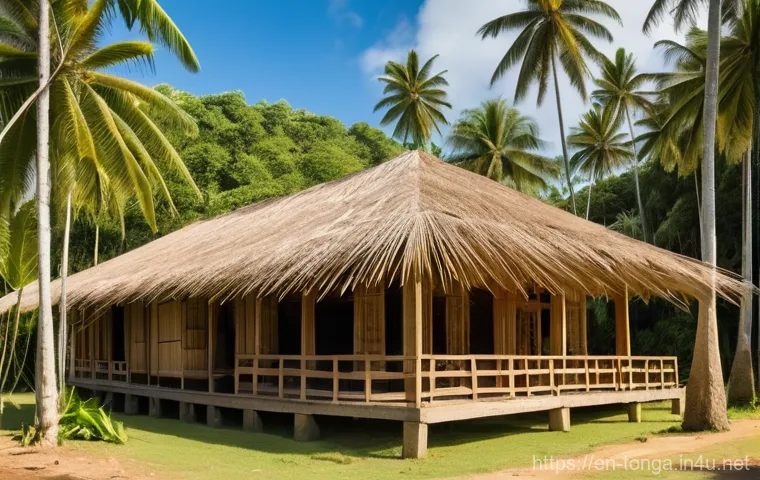
Stepping into the world of traditional Tongan architecture is like taking a delightful journey back in time, where homes were crafted not just for shelter, but as a true reflection of culture and community.
I’ve always been absolutely captivated by the ingenuity of island nations, and Tonga’s traditional *fale* are a perfect example, showcasing a deep respect for both the natural environment and communal living.
It’s genuinely incredible to see how these structures, often made from readily available local materials like wood, thatch, and woven coconut leaves, stood strong against the elements for centuries, long before modern building techniques even existed.
These aren’t just simple huts; they are masterpieces of sustainable design, built with an understanding that every part contributes to the whole, reflecting a philosophy of resourcefulness that we could honestly learn so much from today.
While many contemporary Tongan homes now incorporate Western styles and materials, a trend driven by colonial influences and the desire for more durable structures, the essence of the *fale* continues to inspire.
It’s truly fascinating how Tongan architects and communities are now looking to blend these ancient building practices with modern resilience, especially given Tonga’s vulnerability to natural hazards, ensuring cultural heritage thrives into the future.
So, if you’re as intrigued as I am by how tradition, innovation, and sustainability beautifully intertwine in the South Pacific, you’re in for a treat.
Let’s delve into the fascinating details of Tongan traditional house structures and what makes them so special.
The Soul of Tongan Homes: A Glimpse into the Fale
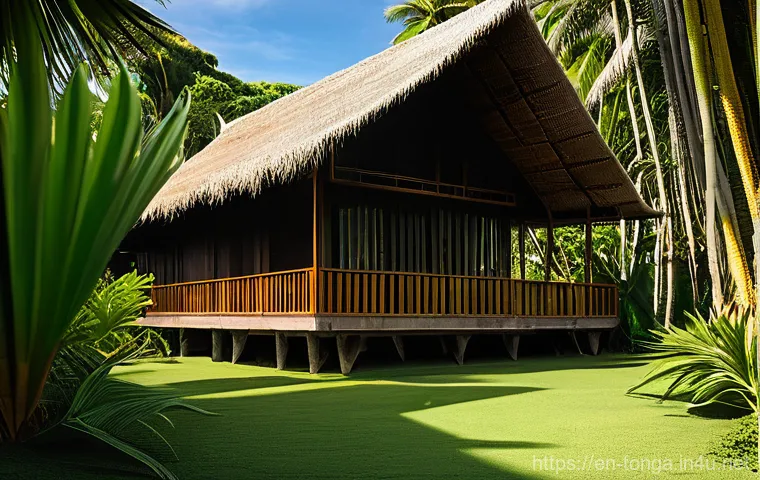
Stepping into a traditional Tongan *fale* for the first time was genuinely an eye-opener for me, a moment that truly crystallized my fascination with how cultures adapt and thrive within their natural environments. It’s not just a house; it’s a living, breathing testament to ingenuity, community, and an incredible respect for the resources around them. I remember walking up to one, and the sheer artistry involved in its construction immediately struck me – every joint, every thatch layer, felt like a deliberate stroke of genius. It was a tangible piece of history, whispering stories of generations past, and I couldn’t help but feel a deep sense of connection to the people who built and lived in such incredible spaces. This isn’t just about shelter; it’s about a philosophy, a way of life that values harmony with nature and the strength of collective effort. When you see these structures, often standing proudly against the backdrop of lush greenery or the vibrant Pacific, you realize that true sustainability isn’t a modern invention but a deeply ingrained traditional practice. My personal experience has shown me that there’s a profound warmth and inviting spirit woven into the very fabric of these homes, something you just don’t get from contemporary concrete buildings. It really makes you pause and appreciate the enduring legacy of Tongan builders.
Mastering Mother Nature’s Gifts: Sustainable Sourcing
What truly blew my mind about the *fale* was the sheer brilliance of using entirely local and renewable resources. Imagine building your entire home from materials you can find right outside your door – no giant factories, no long supply chains, just pure, unadulterated resourcefulness. We’re talking about timber from breadfruit or mangrove trees for the main framework, which provides incredible strength and stability. Then there’s the masterful use of pandanus leaves or coconut palm fronds for the roofing and walls, woven together with such intricate skill that they become incredibly effective at keeping out the rain and sun. I’ve seen some of these weaving patterns up close, and they are nothing short of art. Even the ropes used to bind everything together, often made from plaited coconut coir, are robust and long-lasting. It’s a closed-loop system, where everything comes from the earth and can eventually return to it, leaving minimal impact. This sustainable approach is something I believe we desperately need to re-learn in our modern world, and the Tongan ancestors were clearly pioneers in this field.
The Architectural Wisdom Behind Every Beam
The design principles behind a *fale* are surprisingly sophisticated, especially when you consider the tools available centuries ago. It’s not just about stacking materials; it’s about understanding physics, climate, and human comfort. The characteristic rounded ends and high, steeply pitched roofs aren’t just for aesthetics; they are brilliant engineering solutions. The steep pitch sheds heavy tropical rain incredibly efficiently, preventing water from pooling and causing damage. Meanwhile, the open-plan interior and elevated floors (in some designs) allow for natural ventilation, creating a cooling effect in the humid climate – trust me, I’ve experienced how vital that is! There’s often no fixed internal walls, giving families the flexibility to adapt the space as needed, whether for sleeping, cooking, or communal gatherings. I find it fascinating how the entire structure, despite its seemingly simple appearance, is designed to flex and sway during strong winds and even earthquakes, making it remarkably resilient. This deep, intuitive knowledge of their environment is something I consistently observed, and it speaks volumes about the wisdom embedded in their traditional practices.
Crafting Comfort: The Ingenious Materials of the Fale
When I think about the sheer dedication and skill that goes into sourcing and preparing the materials for a *fale*, I’m always left in awe. It’s not just about cutting down a tree or gathering some leaves; it’s a profound process rooted in respect for nature and an intimate understanding of each material’s properties. I remember talking to an elder once who described how they would select specific timber based on its age, strength, and even spiritual significance, not unlike how a master craftsman today would choose the perfect piece of wood for a fine instrument. The work involved in preparing the thatch alone is incredibly labor-intensive, but the results are astonishingly effective. This isn’t mass production; this is handcrafted resilience. Each material plays a crucial role, contributing not only to the structural integrity but also to the comfort and aesthetic beauty of the home. It’s this meticulous attention to detail and the sheer manual effort that makes each *fale* truly unique and imbued with the spirit of its builders. It’s a stark contrast to our throwaway culture, and honestly, it’s a lesson in valuing what we create.
From Coconut Palm to Cozy Roof: Thatching Techniques
The roof of a *fale* is, without a doubt, one of its most striking features and a testament to an ancient craft that’s been perfected over centuries. Typically, it’s made from densely woven pandanus leaves or coconut palm fronds, layered in such a way that it’s completely watertight and provides excellent insulation. I’ve had the chance to watch this process firsthand, and it’s mesmerizing. Each frond is meticulously prepared, stripped, and then woven or tied onto the framework by hand, often in overlapping layers, creating a thick, durable covering. The natural oils in the leaves also offer some protection against insects and decay. It’s not just functional; the rhythmic patterns of the thatch create a beautiful texture that just melts into the natural surroundings. What’s truly remarkable is how long these roofs can last with proper maintenance, sometimes decades! It’s an art form that requires patience, precision, and a deep understanding of natural fibers, and frankly, it’s something I think modern architects could learn a lot from regarding sustainable building materials.
Strong Foundations: Woodwork That Withstands Time
The skeletal structure of a *fale* is predominantly crafted from robust timber, often sourced from trees like breadfruit, tamanu, or even mangrove, each chosen for its specific properties of strength and resilience against pests and decay. The traditional method involves skilled woodworkers shaping and fitting these timbers together using intricate joinery techniques, all without the need for metal nails or screws. Instead, everything is lashed together using strong sennit rope, woven from coconut coir, which allows the structure to flex and move in response to high winds or seismic activity, a crucial feature in a region prone to natural disasters. This flexible joinery is a masterclass in structural engineering! The upright posts are firmly embedded in the ground, providing a stable base, while the curved rafters and beams create that distinctive, elegant shape. It’s incredibly impressive to see how these natural materials are transformed into a sturdy and enduring shelter, showcasing a level of craftsmanship that makes you truly appreciate the expertise passed down through generations. I’ve personally felt the strength of these timbers, and they have an undeniable solidity that inspires confidence.
Beyond Shelter: Fale as Cultural Narratives
The *fale* is so much more than just a place to lay your head; it’s a vibrant tapestry woven with the threads of Tongan culture, reflecting their societal values, family structures, and spiritual beliefs. When I visit these traditional homes, I don’t just see walls and a roof; I see a history, a community, and an enduring spirit. Every aspect, from its orientation to the materials used, often carries symbolic meaning, passed down through oral traditions. It’s like reading a story written in wood and thatch, detailing the importance of communal living, respect for elders, and the deep connection to the land and sea. The open design, for example, isn’t just about ventilation; it speaks to a culture that values openness, shared spaces, and strong familial bonds. I’ve often felt an immediate sense of welcome and belonging in these spaces, an atmosphere that truly encapsulates the warmth of Tongan hospitality. It’s a powerful reminder that architecture can be a profound expression of identity and heritage, something that resonates deeply with me as someone who values cultural preservation.
A Gathering Place: Community and Family Life
At the heart of Tongan life is the family and community, and the *fale* perfectly embodies this communal spirit. Many traditional *fale* feature large, open interiors, often with a raised central platform, designed to accommodate extended families and provide ample space for social gatherings, ceremonies, and shared meals. I’ve seen how seamlessly these spaces transition from a family’s sleeping quarters at night to a vibrant hub of activity during the day. There are no rigid internal walls separating functions, encouraging interaction and a sense of collective living. It fosters an environment where children grow up surrounded by their elders, learning traditions and values directly. This emphasis on shared space is a beautiful reflection of the collectivist nature of Tongan society, where individual well-being is intrinsically linked to the strength of the family unit. From my perspective, this kind of architectural design actively nurtures community bonds in a way that modern, compartmentalized homes often struggle to achieve.
Reflecting Status and Purpose: Different Fale Types
It’s fascinating to discover that not all *fale* are created equal; their size, style, and sometimes even the materials used can denote the owner’s social status or the building’s specific function. For instance, a common family dwelling, often called a *fale Tonga*, might be more modest in size, while the chief’s residence, or a *fale lahi* (big house), would be significantly larger and more elaborately constructed, sometimes featuring finer timbers and more intricate lashings. Then you have specialized structures like *fale fekai* (cooking houses), which are smaller and separate from the main dwelling to minimize fire risk. There are also designated structures for specific rituals or community meetings. This differentiation highlights a sophisticated understanding of societal hierarchy and functional needs within their traditional architectural framework. It’s a subtle yet powerful way in which their built environment communicates social order and cultural priorities, and observing these differences has always added another layer of appreciation for Tongan traditional knowledge.
| Fale Type | Primary Purpose | Key Features | Typical Materials |
|---|---|---|---|
| Fale Tonga | Family dwelling, everyday living | Open interior, raised floor (sometimes), traditional thatch roof | Wood (breadfruit, tamanu), pandanus/coconut fronds, sennit rope |
| Fale Lahi | Chief’s residence, important ceremonies | Larger size, more elaborate construction, finer finishings | High-quality wood, intricate weaving, sometimes decorative elements |
| Fale Fekai | Cooking house, food preparation | Smaller, often separate from main dwelling to prevent fire | Simple wood frame, basic thatch, earthen floor |
| Fale ‘Ulu | Ceremonial or meeting house | Large communal space, can be grand in scale | Strong timber, durable thatch, central open area |
Building to Last: Resilience in the Face of the Elements
Living in the South Pacific means constantly contending with powerful natural forces – from scorching sun and torrential rains to fierce cyclones and seismic tremors. So, when I think about the enduring nature of the *fale*, I’m always struck by how its design inherently incorporates incredible resilience. These aren’t fragile structures; they are built to withstand, adapt, and even recover. The ancestors of Tonga were, in essence, master disaster-resilient builders long before the term even existed. They understood their environment deeply and engineered their homes not against nature, but with nature. This intrinsic wisdom is a powerful lesson, especially in our current climate, reminding us that sometimes, the oldest solutions are the most effective. It’s truly inspiring to see how such seemingly simple construction methods can lead to such robust and enduring results, proving that you don’t always need complex technology to build safely and sustainably.
Weathering the Storm: Design for Tropical Climates
The ingenuity of the *fale*’s design in mitigating the impacts of tropical weather is something I’ve always found utterly brilliant. The steeply pitched, often hipped roofs are not just aesthetically pleasing; they are incredibly effective at shedding the enormous volumes of rain that fall during a tropical downpour, preventing water ingress and structural damage. The overhanging eaves provide essential shade from the intense equatorial sun, keeping the interiors cooler. And crucially, the flexible, lashed joinery I mentioned earlier allows the entire structure to sway and absorb the force of strong winds, rather than rigidly resisting and breaking. It’s an almost organic response to the elements, moving with them rather than fighting them. I once heard a story of a modern concrete building succumbing to a cyclone, while a nearby, well-maintained *fale* stood firm. That anecdote really drove home the profound understanding these traditional builders had of their environment and how to create harmony with it.
Traditional Knowledge Meeting Modern Challenges
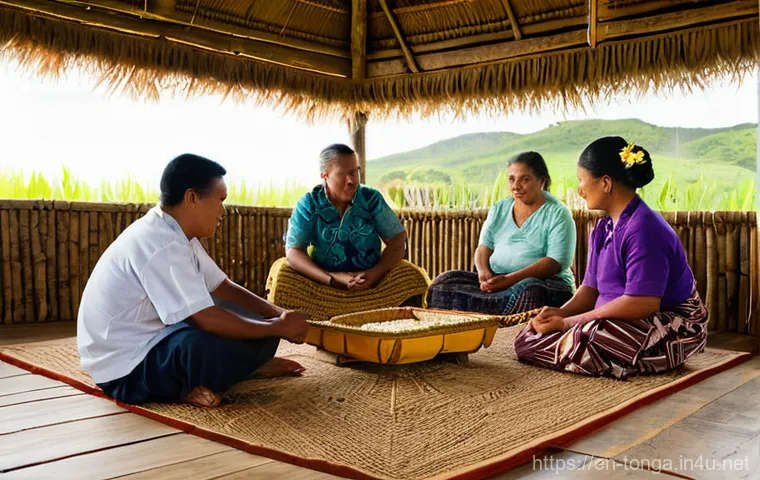
While the traditional *fale* offers incredible lessons in resilience, modern Tonga faces new challenges, particularly with the increased intensity of cyclones due to climate change. It’s fascinating to see how contemporary Tongan architects and communities are now exploring ways to blend this ancient wisdom with modern building techniques to enhance durability. This often involves reinforcing traditional timber frames with concrete footings or incorporating cyclone straps while retaining the aesthetic and ventilating principles of the *fale*. It’s a dynamic interplay between preserving cultural heritage and adapting for future safety. I’ve personally seen projects where communities are being trained in hybrid construction methods, ensuring that the spirit of the *fale* lives on, but with added layers of protection. It truly is a testament to the adaptability of Tongan culture, recognizing the value of their past while embracing innovations for a more secure future, something I find incredibly hopeful and inspiring.
The Modern Echo: How Ancient Designs Inspire Today
It might seem like traditional Tongan *fale* belong entirely to the past, but honestly, I see their influence and lessons popping up in contemporary design in really exciting ways. It’s not just about replicating old forms; it’s about understanding the core principles that made them so successful and relevant, even today. Architects and designers around the world are increasingly looking to indigenous building practices for inspiration, especially when it comes to sustainable design, natural ventilation, and resilient structures. The *fale* offers a perfect blueprint for how to build in harmony with the environment, using local materials and clever engineering to create comfortable, durable, and culturally significant spaces. I feel a real surge of optimism when I see this kind of cross-pollination of ideas, proving that ancient wisdom isn’t just for museums but can actively shape our future built environments in profoundly positive ways. It’s a movement that I believe is gaining serious traction, and the *fale* is certainly a shining example.
Blending Heritage with Innovation: Contemporary Tongan Architecture
In Tonga today, you’ll find a fascinating blend of old and new. While many homes now incorporate modern materials like concrete and corrugated iron, there’s a growing movement to re-integrate elements of *fale* design into contemporary architecture. This isn’t just about aesthetics; it’s about harnessing the practical benefits. We’re seeing architects drawing inspiration from the *fale*’s natural ventilation systems, its robust roof designs for tropical weather, and its use of natural, breathable materials. Some newer resort developments, for instance, are building modern *fale*-inspired structures, offering guests an authentic cultural experience while providing modern comforts and enhanced structural integrity. This thoughtful integration helps preserve the architectural identity of Tonga while ensuring its buildings are suitable for 21st-century living and climate challenges. It’s a beautiful dance between honoring the past and intelligently building for the future, a balance that I personally find incredibly engaging and forward-thinking.
Sustainable Living Lessons from the Past
The traditional *fale* stands as a powerful symbol of sustainable living, offering profound lessons that are more relevant today than ever before. Its entire lifecycle – from the sourcing of materials to its eventual return to the earth – is a model of environmental responsibility. There’s virtually no waste, and the energy footprint for construction is incredibly low compared to modern building practices. Beyond the environmental aspects, it also teaches us about community resilience and self-sufficiency. Building a *fale* was often a communal effort, reinforcing social bonds and shared knowledge. This holistic approach, where architecture, environment, and community are intrinsically linked, is something I believe we desperately need to recapture. It reminds us that homes can be more than just structures; they can be living examples of how to thrive sustainably and harmoniously within our natural world. Whenever I reflect on the *fale*, I’m always left with a strong conviction that the wisdom of our ancestors holds many keys to our future.
My Personal Connection: Why the Fale Story Resonates
There are some cultural experiences that just stick with you, profoundly altering your perspective, and my journey into understanding the Tongan *fale* is definitely one of them. It wasn’t just an academic exercise for me; it was an emotional connection to a way of life that values so many things I hold dear: ingenuity, community, and an unshakeable respect for the natural world. I’ve always been fascinated by how people build homes, but the *fale* took that fascination to an entirely new level. It felt so authentic, so rooted in its place, and so intelligently designed that it made me question many assumptions about modern housing. There’s a certain soulful quality to these structures that just draws you in, a quiet confidence in their design that speaks volumes. Every time I see a picture or read something new about them, that initial spark of wonder reignites, reminding me of the profound beauty and wisdom embedded in traditional cultures. It’s more than just a house; it’s a feeling, an inspiration, and a powerful reminder of what we can achieve when we work with nature, not against it.
An Unforgettable Encounter with Tongan Craftsmanship
I distinctly remember a moment during my travels when I had the privilege of observing a small group working on repairing a *fale* roof. The rhythmic thud of their tools, the careful lashing of the fronds, and the sheer focus in their eyes were captivating. It wasn’t just work; it was a performance of inherited skill, a dance of hands and materials passed down through generations. I even tried my hand at some of the simpler weaving (and let’s just say, I have a newfound respect for the complexity involved!). That hands-on experience, however brief and clumsy on my part, really cemented my appreciation for the meticulous craftsmanship and the deep generational knowledge that goes into every single *fale*. It’s not something you can just pick up from a textbook; it’s a living tradition, taught and learned through observation and practice. That day, feeling the rough texture of the sennit rope and seeing the precision of their work, truly left an indelible mark on me, underscoring the incredible human element at the core of this architecture.
What We Can All Learn from the Fale’s Spirit
If there’s one overarching lesson I’ve taken from my exploration of the Tongan *fale*, it’s the incredible power of thoughtful, sustainable design. It’s a testament to building with purpose, respecting resources, and fostering community. In a world increasingly grappling with environmental challenges and a longing for connection, the *fale* offers a timeless blueprint. It reminds us that our homes can be more than just shelters; they can be expressions of our values, testaments to our resourcefulness, and hubs of our communities. It encourages us to look at local materials differently, to embrace simpler, yet more effective, technologies, and to recognize the inherent wisdom in traditional practices. For me, the *fale* isn’t just an architectural marvel from a distant land; it’s a powerful, living example of how we can build better, live more sustainably, and create spaces that truly nurture both people and planet. It’s a story of resilience and ingenuity that I believe holds profound relevance for us all today.
Final Reflections
Reflecting on my incredible journey through the world of the Tongan *fale*, it’s clear to me that this isn’t just a story about architecture; it’s a profound narrative about resilience, community, and an enduring respect for nature. My personal experience, walking through these incredible structures and learning from the people who build and live in them, has genuinely reshaped my understanding of what a home truly can be. It’s a powerful reminder that some of the most innovative and sustainable solutions often lie in the wisdom of our ancestors. These homes aren’t just built for shelter; they’re built for life, for connection, and for harmony with the world around them, a lesson I believe holds immense value for us all.
Practical Insights You Might Find Handy
Here are a few quick takeaways and ideas sparked by the *fale* that you might find inspiring or useful:
1. Whenever you travel, take a moment to observe and appreciate the local, traditional architecture. You’ll often find incredible ingenuity and sustainable practices embedded in their designs that we can learn from.
2. Consider how natural ventilation and local materials could be incorporated into your own living spaces, even in small ways, to boost comfort and reduce environmental impact.
3. Support initiatives that help preserve traditional building techniques and cultural heritage. It’s vital work that keeps invaluable knowledge alive for future generations.
4. Reflect on the value of communal spaces in your own life. The *fale* teaches us that open, adaptable living areas can foster stronger family bonds and a greater sense of community.
5. Embrace the idea of building with nature, not against it. The *fale*’s resilience against tropical storms is a testament to designing homes that work in harmony with their environment.
Key Takeaways to Remember
The Tongan *fale* is a masterclass in sustainable living and resilient design. It perfectly showcases how local, renewable materials can be transformed into robust, comfortable homes that withstand extreme weather. Beyond its physical structure, the *fale* is a vibrant expression of Tongan culture, emphasizing community, family, and a deep connection to the environment. Its ancient principles offer invaluable lessons for modern architects and anyone seeking a more harmonious and sustainable way of life.
Frequently Asked Questions (FAQ) 📖
Q: What exactly makes a traditional Tongan fale so special, and what were they typically made from?
A: Oh, diving into the world of traditional Tongan fale is just incredible, isn’t it? What really strikes me is how these weren’t just buildings; they were living expressions of Tongan culture and community.
When you look at what made them special, it starts with the materials – they were truly masters of using what nature provided right there on the islands.
Think strong, local hardwoods like toa, koka, and tavahi for the main support columns, giving the structure its foundational strength. Then, for the roofs and walls, they’d use an array of brilliant natural elements: beautifully woven coconut leaves, sturdy reeds, or even sugar cane leaves for thatching.
I’ve heard stories that some even incorporated stone! What’s truly remarkable, in my opinion, is the design itself. Many fale were rectangular or oval-shaped, often featuring high, airy ceilings and that wonderful open-air feel.
They were often built on elevated platforms, which I imagine helped with ventilation and keeping cool. But it wasn’t just about shelter; these homes were designed to accommodate large families and extended communities, with open courtyards and verandas serving as natural gathering spots for socializing, cooking, and simply being together.
It really shows the deep sense of community and social cohesion that is so central to Tongan culture, reflecting a truly ingenious and sustainable approach to living.
Q: How have these traditional Tongan building practices adapted over time, especially with new influences and the challenge of natural disasters?
A: It’s fascinating to see how something so rooted in tradition can also evolve, and Tongan architecture is a perfect example. Over time, especially with external influences from colonial powers, there was a noticeable shift.
Suddenly, new building techniques and materials like brick, mortar, and even corrugated tin roofs started making their way in. People wanted homes that were more “tolonga” – meaning longer-lasting – because, let’s be honest, those cyclones and tsunamis can be absolutely devastating.
So, while you might see fewer purely traditional fale used as primary residences today, their essence is far from lost. What I find truly inspiring is how Tongan architects and communities are now cleverly blending these ancient practices with modern resilience, particularly as Tonga is one of the most disaster-prone countries globally.
We’re seeing “hybrid fale” emerge, for example, which smartly combine traditional and salvaged modern materials for transitional shelters after a storm.
This approach ensures that homes can be rebuilt quickly and sustainably, often using available resources like fallen trees or donated tarpaulins. It’s not just about building back, it’s about building smarter and stronger, incorporating the lessons of the past with the necessities of the present to create truly resilient structures.
Q: Why is traditional Tongan architecture still so important today, and what vital lessons can we take from it?
A: For me, the enduring importance of traditional Tongan architecture, especially the fale, goes far beyond just its aesthetic appeal; it’s about cultural preservation and incredibly valuable life lessons.
First off, these structures are a tangible link to Tongan identity and values. Every single part of a fale has cultural significance, and the communal effort involved in their construction truly embodies the Tongan spirit.
It’s a living history that we absolutely need to cherish and learn from. On a more practical note, these traditional homes were masterpieces of sustainable design.
They were built entirely from local, renewable materials, perfectly adapted to the island’s climate – think natural ventilation and light, long before we even thought about “green building.” We can learn so much from that inherent resourcefulness and respect for the environment!
Moreover, the idea of designing for community, with open spaces that encourage interaction and shared living, is something I personally feel we’ve lost a bit in our modern, often isolated, homes.
And let’s not forget resilience: the stories of fale being dismantled and reassembled after storms are legendary, a testament to adaptability. Today, this wisdom is being channeled into modern disaster preparedness, showing us that blending ancient knowledge with innovative solutions is the smartest way forward.
It’s a philosophy, a way of life, that can truly inspire us to build more sustainably, communally, and harmoniously with our world.