For most Tonga trips, carry a small reserve of Tongan pa’anga (TOP), use a primary card where it is accepted, and bring a backup payment method. This flexible mix is safer than depending on one ATM, one card, or a last-minute currency exchange.
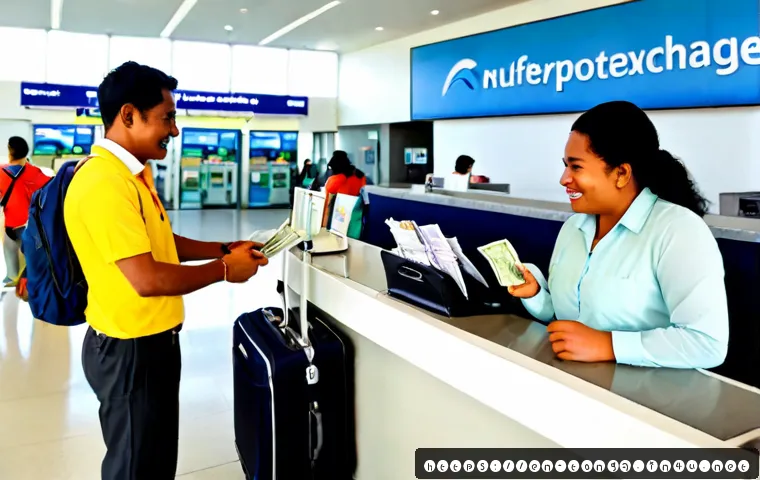
Cash remains useful for markets, local transport, and smaller purchases, while card acceptance can vary by location and business. Before departure, compare the full foreign-exchange cost of your bank card or travel money card, not just the advertised exchange rate.
Travelers heading beyond Nuku’alofa should plan more carefully because ATM access and cash availability may be more limited on outer islands. A short fee check and a backup plan can make daily spending much less stressful.
At a Glance
- Keep a small local cash reserve in Tongan pa’anga (TOP) for smaller purchases, markets, and local transport.
- Carry a backup card or second payment option, especially if you plan to travel outside main population centers.
- Compare the exchange rate, withdrawal charge, and foreign-transaction fee before choosing how to pay.
| Payment Method | Convenience | Possible Costs to Compare | Best Use |
|---|---|---|---|
| Cash exchange | Useful once you have TOP in hand | Exchange rate and provider charges | Markets, local transport, small purchases |
| ATM withdrawal | Can be practical where machines and cash are available | ATM charge, card issuer fee, conversion fee | Getting local cash after arrival |
| Bank card | Convenient where card payments are accepted | Foreign-transaction fee and card conversion rate | Eligible hotel, resort, or larger purchases |
| Travel money card | May help separate travel spending from your main account | Loading, conversion, withdrawal, and inactivity terms | Travelers who want a dedicated payment backup |
The Practical Answer: Bring a Flexible Mix of Cash and Cards
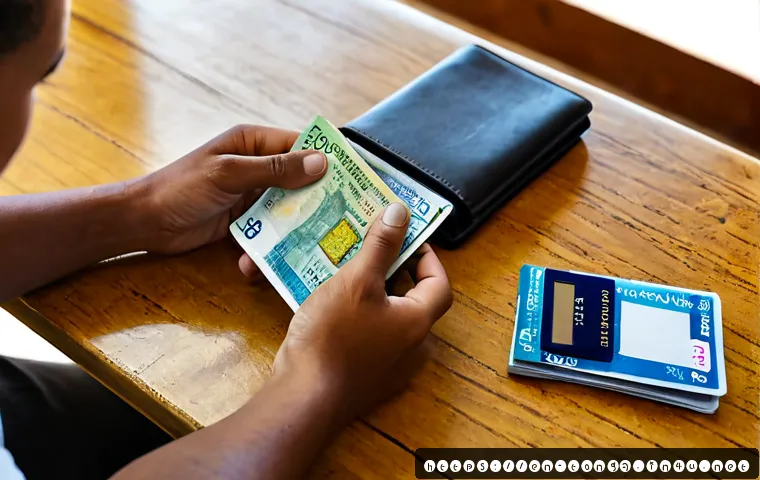
The practical approach is not to choose cash or cards. Use both. Tonga’s official currency is the Tongan pa’anga, commonly written as TOP, and each pa’anga is divided into 100 seniti. Keep enough local cash for everyday situations where electronic payment may not be available, while retaining a card for businesses that accept it.
A Simple Payment Setup for Most Tonga Visitors
A sensible setup includes a modest amount of TOP, one primary debit or credit card, and a second card or backup source of funds stored separately. This gives you options if a card is not accepted, an ATM is unavailable, or you need cash for a smaller vendor. Do not exchange more cash than you reasonably expect to use; unused currency can create another exchange decision at the end of the trip.
Why Relying on One Card or One ATM Can Be Risky
Card acceptance can differ by business type and location. ATM access and cash availability may also be more limited on outer islands than in main urban areas. A single-card plan can therefore be fragile. Bring another card, keep some emergency cash secure, and avoid treating one withdrawal method as your entire travel-money strategy.
Compare Cash Exchange, ATMs, and Travel Cards Before You Go
The lowest-looking exchange rate is not always the lowest overall cost. Compare the complete payment path: the conversion rate, any provider charge, ATM withdrawal charge, and your card issuer’s foreign-transaction fee.
Total-Cost Comparison: Rate, Withdrawal Fee, and Card Conversion Fee
For cash exchange, ask what amount of TOP you receive after all charges. For ATM withdrawals, check both the local machine charge and the fee your own bank may add. For card purchases, review whether your issuer charges a foreign-transaction fee and how it handles currency conversion. A clear comparison is more useful than choosing based on a headline rate alone.
When a Travel Card May Be Worth the Extra Planning
A travel money card may suit travelers who want a separate travel budget or an additional payment option. However, read its terms carefully. Loading costs, conversion terms, withdrawal fees, and card support arrangements can all affect value. It is a planning tool, not an automatic way to avoid every travel-money fee.
Questions to Ask Your Bank or Card Issuer
Before leaving, ask whether your card is enabled for international use, what foreign-transaction fees apply, and what happens if you need support while abroad. Check how ATM withdrawals are priced separately from purchases. It is also wise to review payment notifications so unexpected activity can be spotted quickly.
Getting and Using Tongan Pa’anga Safely
When to Exchange Money and How Much Cash to Keep
Exchange enough TOP to cover the cash-heavy parts of your itinerary, not every possible expense. A traveler staying mainly in Nuku’alofa may need a different cash plan from someone visiting smaller islands. Build your cash reserve around local transport, market spending, and places where card acceptance may be limited.
Checking Notes, Receipts, and Conversion Totals
When exchanging money or withdrawing cash, take a moment to check the notes received, the receipt, and the final conversion total. Keep receipts until you have confirmed the transaction. This simple habit makes it easier to identify a misunderstanding before it becomes difficult to trace.
Keeping Cash Secure During Beach, Ferry, and Market Visits
Do not carry your full cash supply for a casual outing. Keep daily spending money accessible and store reserve cash separately. On beach days, ferry trips, and market visits, use a secure bag or clothing pocket and avoid displaying a large amount of currency when paying.
Payment Planning for Nuku’alofa, Resorts, and Outer Islands
Main-Town Spending: Cash Needs Versus Card Convenience
In main urban areas, you may find more opportunities to use cards than in remote locations, but acceptance still varies. Cash remains useful for smaller purchases and local services. Treat card use as convenient where confirmed, rather than assuming it will work for every transaction.
Resort and Tour Payments: Confirm Accepted Methods in Advance

Before committing to a resort stay, tour, ferry-related expense, or higher-value booking, ask which payment methods are accepted and whether payment is needed in advance. Confirming directly helps you choose between card payment, cash, or a travel money card before you are under time pressure.
Outer-Island Planning: Build a Larger Cash Buffer Carefully
Outer-island travel calls for a more cautious cash plan because ATM access and cash availability may be limited. Carry a larger buffer than you would for a city-only stay, but keep it secure and avoid carrying more than your itinerary requires. Have a backup card even if you expect to rely mostly on cash.
Mistakes That Can Increase Your Tonga Travel Costs
Focusing Only on the Advertised Exchange Rate
An attractive rate can be less attractive after withdrawal charges or foreign-transaction fees are added. Compare the total amount paid or the final amount of TOP received.
Accepting Unfamiliar Conversion Options Without Checking
If you are offered a conversion choice during a transaction, pause and read what currency and rate are being used. If the option is unclear, ask for an explanation before confirming. Understanding the currency conversion method matters more than rushing through the screen.
Waiting Until the Last Moment to Arrange Backup Funds
Do not wait until you are on an outer island or short of cash to discover a card limitation. Activate suitable cards, review fee terms, and organize backup funds before departure.
Selection Criteria and Payment Comparison Summary
Choose your payment setup by checking foreign-transaction fees, ATM withdrawal costs, card acceptance for your planned locations, access to emergency backup funds, and the amount of cash your itinerary may require. For short stays, a small cash reserve plus a card may be enough. For island-hopping, prioritize a stronger cash buffer and a second card. For higher-value bookings, confirm accepted payment methods and compare card conversion terms before paying. Compare travel card fees and travel insurance coverage terms on the relevant provider pages before making a final choice.
Closing Thoughts
Managing money in Tonga is mainly about flexibility. Carry TOP for the places where cash is practical, but do not rely entirely on cash or a single card. Review your fees before departure, keep a backup option, and adjust your cash buffer if your trip includes outer islands. A little preparation can reduce avoidable payment stress.
Useful Things to Know
TOP is the currency code for the Tongan pa’anga. Cash is particularly useful for smaller purchases and local transport. Card acceptance can vary, so confirm payment options for accommodation, tours, and transport when planning your itinerary.
Important Notes
Exchange rates, ATM availability, withdrawal limits, network compatibility, and individual card fees can change. Check current details with your bank, card issuer, exchange provider, accommodation, or service operator before relying on a specific payment method. Also verify current rules if you plan to bring significant cash into or out of Tonga.
Frequently Asked Questions
Q1. Should I exchange money before traveling to Tonga or after I arrive?
A1. Either approach can work, but avoid assuming one location always offers the best rate. Compare the total exchange cost, keep a small cash reserve, and make sure you have another payment option if you plan to exchange after arrival.
Q2. Is it better to use an ATM, a bank card, or a travel money card in Tonga?
A2. The best option depends on your card fees, where you will travel, and whether the business accepts cards. Compare ATM charges, foreign-transaction fees, and travel card terms, then carry more than one payment method.
Q3. How much cash should I carry when visiting Tonga’s outer islands?
A3. Carry enough TOP for expected local spending plus a careful buffer, because ATM access and cash availability may be more limited outside main urban areas. The right amount depends on your itinerary, planned purchases, and confirmed card acceptance.