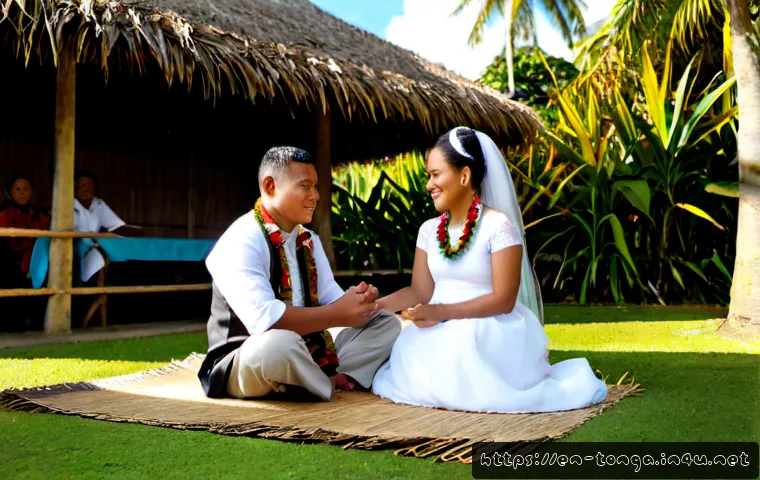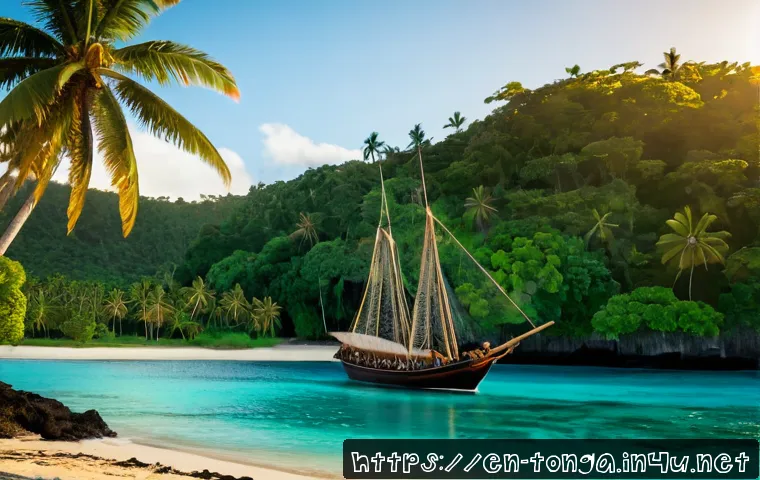
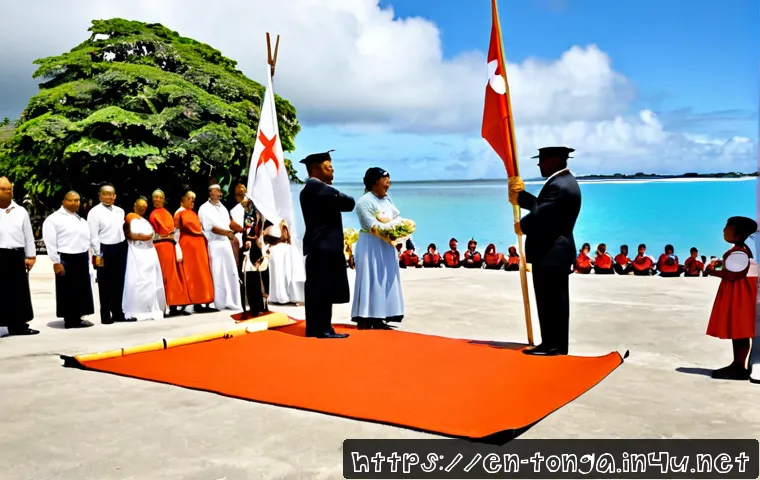
Tonga’s history is easiest to understand through five connected eras: ocean voyaging and settlement, chiefly authority, the modern monarchy, Christian influence, and changing international relationships.
Before visiting, start with a reliable overview, then decide whether a history book, local guide, or cultural tour best fits your time and learning style.
A guided experience can add local context, while books and academic resources may offer more room to compare interpretations. The best option is not always the longest or most expensive one; it is the one that clearly explains its sources, local expertise, and cultural approach.
Because dates, names, and the meaning of major events can vary across sources, treat quick online timelines as starting points rather than final authority.
Respect for oral tradition and sacred places matters as much as factual preparation. A careful research plan makes Tonga’s past more meaningful without reducing it to a simple visitor story.
At a Glance
- Start with the broad sequence: settlement and regional connections, political development, Christian influence, diplomacy, and modern nationhood.
- Use more than one perspective: compare academic history, museum or archival material, and community-led interpretation where available.
- Choose experiences carefully: ask cultural tour providers how local knowledge, site protocols, and historical sources shape the visit.
| Option | Best Use Case | Typical Time Commitment | Questions to Ask Before Choosing |
|---|---|---|---|
| History books and academic resources | Building context and comparing historical interpretations | Several reading sessions | Does it cite sources? Does it distinguish oral tradition from scholarly debate? |
| Local guide | Connecting places, customs, and lived community knowledge | A short visit or a full day | Is the guide locally knowledgeable? Which places and themes are included? |
| Cultural tour | Travelers wanting structured transport, interpretation, and practical context | Usually part of a day or a full day | What is included? How large is the group? Are cultural protocols explained? |
The Historical Turning Points That Help Explain Tonga Today
Tonga’s past is better understood as a series of connected developments than as a single list of “greatest” events. A useful starting framework moves from oceanic settlement and regional exchange to the growth of chiefly authority, the formation of a modern monarchy, Christian influence, diplomacy, and the country’s continuing national identity. This approach helps visitors see history as something carried through places, families, ceremonies, and language—not only through monuments or written records.
Be careful with claims that one event “changed everything.” Academic histories, oral traditions, and visitor materials may emphasize different turning points. When researching, look for explanations that state whose perspective is being presented and what evidence supports it.
A Quick Timeline From Early Settlement to the Modern Kingdom
For a practical timeline, begin with the era of Pacific voyaging, settlement, and connections among island communities. Then examine the development of social and political authority, followed by the emergence of the modern monarchy. From there, research the influence of Christianity, external relationships, and later developments in modern nationhood.
This is a framework, not a substitute for verified dates or named events. Before quoting a date, describing a succession, or sharing a historical claim, check a reliable academic, museum, archival, or official cultural source. A short travel article may be useful for orientation, but it may not provide enough context for a school project or published guide.
Why Tonga’s Political and Cultural Continuity Matters in Pacific History
Tonga is often researched in relation to Pacific political history, cultural continuity, and relationships with the wider world. Its history can be especially interesting because political structures, cultural practices, and national identity are often discussed together rather than as separate subjects. That makes it important to avoid treating history as something finished or distant.
A respectful visitor should ask how a historical narrative connects to people today. A cultural guide may explain this through place-based stories and protocol, while a scholarly book may provide a wider regional comparison. Both can be valuable, but neither should be assumed to represent every Tongan viewpoint.
Key Eras to Research Before Interpreting Tonga’s Past
The strongest overview does not skip from an early settlement story directly to modern travel attractions. Instead, research each era as part of a longer sequence. This keeps popular narratives from becoming oversimplified and helps you recognize why certain locations, practices, and forms of respect may matter.
Ocean Voyaging, Settlement, and Regional Connections
Begin with the Pacific as a world of navigation, exchange, and connection. Early settlement should not be framed as a passive “discovery” story. A better question is how people traveled, established communities, exchanged knowledge, and maintained relationships across the ocean.
When choosing a Tonga history book or educational resource, look for material that places the islands within a broader Pacific setting. Reliable work should explain its evidence and avoid implying that history only began when outside observers recorded it in writing.
The Development of Chiefly Authority and the Modern Monarchy
The development of chiefly authority is central to any meaningful study of Tonga’s political history. It offers a pathway to understanding how governance, rank, kinship, ceremony, and authority may appear in historical interpretation. The later development of a modern monarchy is another major area for visitors and students to research carefully.
Do not assume that one brief tour stop can explain a complex political system. A local guide can be useful for introducing cultural context, but travelers seeking depth should compare that explanation with a well-sourced book, museum material, or academic resource. Ask whether the guide distinguishes established facts, local interpretation, and stories shared through oral tradition.
Christianity, Diplomacy, and Changing International Relationships
Christian influence and changing international relationships are often included in accounts of Tonga’s later history. These subjects can involve religion, governance, education, diplomacy, and community life, so they deserve more than a simple “outside influence arrived” summary. Look for resources that explain change alongside continuity.
Travelers considering a cultural tour should also remember that religious and community settings may have expectations about conduct, clothing, photography, or timing. The appropriate practice depends on the place and the people involved. Confirm protocols with the provider or host rather than relying on assumptions from another destination.
Books, Local Guides, or Cultural Tours: Which Option Adds the Most Value?
The right choice depends on your goal. A book usually offers the greatest room for slow comparison and note-taking. A local guide can make geography, customs, and historical memory easier to understand in context. A cultural tour can be the most convenient option when you want transport and structured interpretation together.
There is no universal “best” option. A short excursion may be ideal for a traveler with limited time, while a student may need a bibliography and source notes instead. Think of the options in the comparison table as complementary rather than competing products.
Comparison Table: Depth, Cost Range, Time Required, and Best-Fit Traveler
Instead of assuming that price signals quality, compare depth, transparency, local perspective, and included services. Tour costs, museum access, and program availability can change by season and provider, so confirm current details directly before committing. A low-cost resource may be excellent for background reading, while a higher-commitment guided experience may be worthwhile when local interpretation is the main reason for booking.
For history-focused travel, check whether transport, entry arrangements, food, group size, and time at each location are clearly described. If a cultural experience is presented as educational, ask what themes it covers and whether the explanation is led by people with direct local knowledge.
Questions to Ask a Tour Provider or Guide About Historical Interpretation
- Which historical eras, places, or cultural themes does the experience cover?
- How is local expertise included in the interpretation?
- Will the guide explain appropriate behavior at culturally significant or sacred places?
- What is included in the itinerary, and what may change because of weather, community events, or access conditions?
- How large is the group, and how much time is available for questions?
- What are the cancellation terms and practical accessibility considerations?
Clear answers do not guarantee that every historical interpretation will be identical to every book. They do show that a provider has considered context, visitor conduct, and transparency.
When a Library or Academic Resource Is More Useful Than a Short Excursion
A library, university resource, museum publication, or academic history is often the better choice when you need citations, careful chronology, competing viewpoints, or regional comparison. This is especially true for students preparing an assignment, writers publishing historical content, and travelers who want to understand background before arrival.
A short guided cultural activity can still be valuable, but it should not be treated as the only source for complex historical questions. Use it to deepen your understanding of place and present-day context, then verify specific names, dates, and sequences through stronger reference material.
Research and Visitor Mistakes to Avoid
The most common problem in travel history is not a lack of interest; it is overconfidence in a neat, simplified story. Tonga’s past should be approached with curiosity, patience, and a willingness to check claims. This matters whether you are planning a trip, writing a class paper, or choosing a cultural tour.
Avoiding Myths, Unsourced Timelines, and Simplified “Discovery” Narratives

Be cautious with timelines that provide exact details without identifying a source. Also question language that suggests islands were “discovered” only when they became known to outsiders. Such wording can erase earlier Pacific knowledge, navigation, settlement, and social life.
A stronger resource will identify uncertainty where it exists. It may also explain that oral traditions and scholarly histories can have different purposes, methods, and emphases. Treating one format as automatically inferior is not good research practice.
Respecting Oral Tradition, Sacred Places, and Community-Led Interpretation
Oral tradition is not simply decorative material for visitors. It may carry family, community, cultural, and historical meaning. Listen carefully, avoid demanding private details, and do not record, photograph, or publish stories without understanding whether doing so is appropriate.
At sacred or culturally significant places, follow the instructions of hosts, guides, and local authorities. A respectful cultural tour should make expectations clear, but visitors remain responsible for their own behavior. If something is unclear, ask politely before acting.
Checking Dates, Place Names, and Cultural Claims Before Publishing or Sharing
If you plan to post online, write a guide, or present research, verify exact dates, place names, titles, and historical claims first. Cross-check more than one credible source when possible. Do not turn a guide’s brief explanation into a universal statement about all Tongan people or all historical interpretations.
This extra step protects both accuracy and respect. It also helps you avoid sharing attractive but unreliable travel-history content simply because it is easy to repeat.
History Planning by Situation
A history plan should match the traveler or researcher, not force everyone into the same itinerary. Consider your available time, purpose, reading confidence, mobility needs, and interest in guided discussion. Then choose the resource type that fills the biggest gap in your understanding.
For Students Building a Reliable Starting Bibliography
Start with a broad, reputable overview of Tonga and Pacific history, then add more focused resources on political development, cultural history, Christianity, diplomacy, or modern nationhood. Prefer works that include references, editorial information, and a clear explanation of evidence.
Use visitor websites and tour descriptions mainly to identify themes or possible places to research further. They can be useful leads, but they are rarely enough on their own for a reliable bibliography.
For Travelers With One Day Versus Several Days in Tonga
With one day, prioritize a focused cultural experience or local guide that clearly states its historical themes and practical inclusions. Read a concise, credible overview beforehand so you can ask better questions during the visit. Avoid trying to cover every era in a rushed schedule.
With several days, combine independent reading with more than one type of experience. You might use a guide for local context, then spend time reviewing museum, library, or archival resources if available. Leave room for changing access conditions and community schedules rather than building an inflexible plan.
For Families Seeking Respectful, Accessible Cultural Activities
Families may benefit from cultural activities that explain expectations in plain language and allow time for questions. Before booking, ask about transport, walking demands, rest opportunities, group size, age suitability, and whether respectful behavior at significant sites will be explained clearly.
For younger travelers, focus on listening, place, navigation, community, and respectful observation rather than turning history into a checklist of dramatic events. A well-prepared local guide can help make those connections understandable without oversimplifying them.
Selection Criteria and Comparison Summary
Before choosing a Tonga history book, local guide, or cultural tour, use these practical checks:
- Expertise: Is the historical interpretation connected to credible research, local knowledge, or both?
- Local perspective: Does the experience acknowledge community voices and cultural protocol?
- Transparency: Are itinerary details, inclusions, limitations, and cancellation terms clear?
- Relevance: Does it cover the eras you actually want to understand?
- Practical fit: Are transport, group size, accessibility, and available time suitable for you?
- Respect: Does the provider explain appropriate conduct at cultural or sacred places?
Choose Your Research or Tour Option: Compare inclusions, local expertise, group size, cultural protocols, and cancellation terms before booking. For current schedules, access details, and full conditions, check the relevant official information page or provider listing directly.
In Closing
Tonga’s historical turning points become more meaningful when studied as connected eras rather than isolated facts. Start with a broad framework, verify specific claims, and make room for both scholarly research and locally grounded interpretation. A careful cultural tour or guide can add real value, especially when it explains place, protocol, and community context clearly. The goal is not to memorize every detail before visiting, but to arrive prepared to learn respectfully.
Useful Things to Know
1. Exact dates, names, and event sequences should be checked against reliable academic, museum, archival, or official cultural sources.
2. Tour availability, access arrangements, and program details can change by provider and season.
3. Ask before photographing, recording, or sharing information connected to sacred places or oral histories.
4. A concise travel overview is useful for orientation, but it should not replace a well-sourced history resource.
Important Notes
This guide provides a research and travel-planning framework rather than a verified chronology of specific events. Interpretations of significance may differ among Tongan oral traditions, scholarly histories, and visitor-oriented materials. Confirm exact historical claims, current cultural-program details, access conditions, and booking terms with appropriate reliable sources before relying on them.
Frequently Asked Questions
Q1. What are the best ways to learn about Tonga’s history before visiting?
A1. Begin with a credible overview of Tonga and Pacific history, then compare it with museum, archival, academic, or official cultural resources. If you prefer place-based learning, choose a local guide or cultural tour that explains its historical focus, local expertise, and visitor protocols.
Q2. Are guided cultural tours in Tonga worth the cost for history-focused travelers?
A2. They can be worthwhile when the experience provides meaningful local context, clear interpretation, practical inclusions, and respectful access to places you could not easily understand alone. Compare the itinerary, group size, guide background, transport, cultural protocols, and cancellation terms rather than judging value by price alone.
Q3. How can I tell whether a Tonga history book, website, or tour gives reliable information?
A3. Look for transparent sourcing, clear distinctions between verified history and interpretation, respectful treatment of oral tradition, and realistic acknowledgment of uncertainty. For tours, ask what historical themes are covered, how local knowledge is included, and what information is confirmed by the provider before booking.