Tongan ornaments and handicrafts can carry cultural, family, and ceremonial meaning. Learn how to compare ngatu, woven goods, shell jewelry, carved pieces, seller information, shipping costs, and respectful buying practices before purchasing.
Authentic Tongan ornaments and handicrafts are best identified through clear maker information, honest material details, and respectful cultural context—not a broad “traditional” label.
Before buying, compare how the piece was made, where it comes from, how it will be shipped, and whether its intended use is appropriate. A handmade item can be a meaningful cultural gift, home décor piece, or collectible, but handmade quality and ceremonial relevance vary widely.
For online buyers, seller transparency matters more than polished product photography alone. Consider the full delivered cost, including protective packaging, insured international shipping, and possible customs charges.
Ask direct questions when material, dimensions, or provenance are unclear. A careful purchase supports better decisions and more respectful appreciation of Tongan craft traditions.
At a Glance
- Authenticity is not guaranteed by the word “traditional.” Look for maker, material, location, construction, and care details.
- Tongan crafts can have cultural value beyond decoration. Ngatu, woven goods, and other handmade pieces may be connected to family, gifting, ceremonial, or community contexts.
- Check the delivered cost and import suitability first. Fragile, natural, shell-based, feather, bone, or wood items may need extra shipping and customs verification.
| Buying Route | What It May Offer | Buyer Checks | Likely Cost Factors |
|---|---|---|---|
| Handmade in Tonga | Direct cultural and local production context; potential maker details | Ask who made it, where it was made, what materials were used, and how it should be cared for | Labor, materials, size, protective packing, international shipping, customs |
| Reseller souvenir | Convenient browsing and potentially easier ordering | Confirm whether the item is Tongan-made or Pacific-inspired merchandise; request provenance details | Retail markup, packaging, shipping method, possible duties |
| Custom artisan commission | Personalized size, design, or gift purpose | Discuss materials, design boundaries, production expectations, care, and shipping before ordering | Custom labor, selected materials, production time, insured shipping |
What Makes a Tongan Craft or Ornament Meaningful and Authentic?
A Tongan ornament or handicraft can be meaningful because of its materials, workmanship, maker connection, and cultural setting. The most useful approach is to treat authenticity as a set of verifiable details, rather than a single marketing claim. A seller who can explain the material, production method, origin, and care requirements gives you more to assess than one using only broad cultural labels.
Traditional Tongan craft practices include weaving, barkcloth making, shell-based adornment, woodwork, and decorative lashing techniques. Some pieces are made primarily for wear, display, or gifting. Others may carry family, ceremonial, or community importance. That difference matters when choosing a Pacific cultural gift or a handmade décor item.
The Difference Between Cultural Craft, Souvenir Merchandise, and Contemporary Artisan Design
A cultural craft may be rooted in established Tongan materials, methods, or community practices. It may also have a role beyond personal decoration. For example, handmade mats and barkcloth can be used in family, gifting, ceremonial, and community contexts.
A souvenir product may be inspired by Pacific visual themes without being made in Tonga or connected to a named maker. This does not automatically make it poor quality, but it should not be presented as equivalent to a locally made Tongan piece without supporting information.
A contemporary artisan design may combine inherited techniques with modern colors, forms, or uses. It can still be a thoughtful and authentic purchase when the maker describes the work clearly. “Authentic” does not have to mean old-fashioned; it should mean the product is represented honestly.
Buyer caution: Do not assume that every motif has a fixed ceremonial meaning. The exact symbolism, family association, or regional relevance of a particular design may require reliable cultural context from the maker or seller.
Why Maker Information and Material Details Matter More Than Broad “Traditional” Labels
Useful seller information includes the maker’s name when available, the production location, the materials used, and basic care instructions. These details help you distinguish handmade artisan goods from generic decorative imports.
Look for specific descriptions such as barkcloth, plant fiber, shell, wood, feather, bone, or woven textile. Then ask how the item was constructed and whether natural variations are expected. Handmade crafts can differ substantially in finishing, color, texture, size, labor time, and ceremonial relevance. Small irregularities may be part of the handmade character, but unclear descriptions should prompt more questions.
When comparing artisan shopping options, a simple question is often enough: “Can you tell me who made this, what it is made from, and whether it was made in Tonga?” A reliable answer may not establish every cultural detail, but it gives you a much stronger basis for choosing.
Compare Common Tongan Craft Types Before You Buy
Different Tongan craft types suit different purposes. A portable shell adornment may work well as a gift, while ngatu or a woven mat may need more planning because of its size, display needs, and storage requirements. Start with the intended use, then compare materials and practical care.
Ngatu Barkcloth, Woven Mats, Shell Adornments, Carved Objects, and Decorative Pieces
Ngatu is Tongan barkcloth traditionally made from the inner bark of the paper mulberry tree and decorated with patterned designs. It is often appreciated as wall display material, cultural décor, or a significant gift, but buyers should ask about dimensions, storage, and whether the piece is appropriate for decorative use.
Koloa is a Tongan concept associated with valuable cultural goods, including ngatu and finely woven textiles. This is an important reminder that not every handmade textile should be treated as a casual home accessory. Ask respectfully if a piece has a particular context or recommended use.
Woven mats and textiles can vary greatly in fiber, density, finishing, size, and purpose. They may be practical display pieces, gifts, or culturally meaningful goods. Confirm whether folding, rolling, hanging, or flat storage is recommended before ordering.
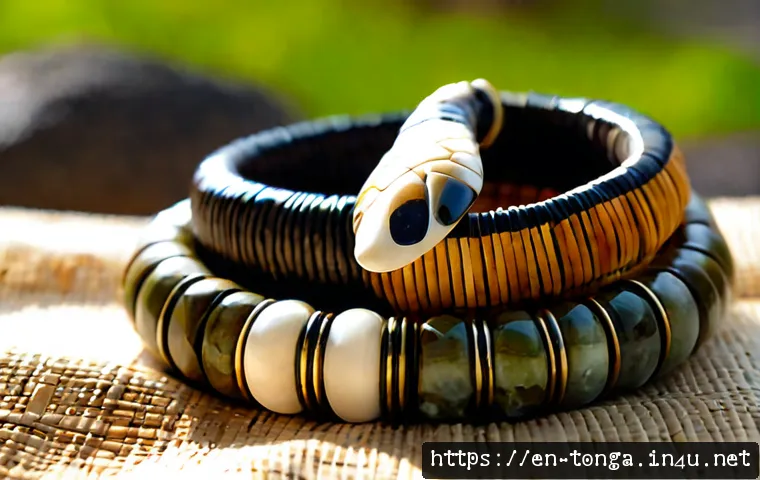
Shell-based adornments may be wearable, decorative, or gift-oriented. Ask whether the shells are natural, how the piece is fastened, and whether it needs special handling. Natural shell surfaces can vary in tone and texture.
Carved wood and decorative lashing pieces may offer a strong visual focal point for a collection or home display. Confirm dimensions, wood type if provided, finish, fragility, and whether the item has a stable base or hanging hardware.
| Craft Type | Typical Materials | Possible Use | Care Considerations | Questions to Ask |
|---|---|---|---|---|
| Ngatu barkcloth | Paper mulberry barkcloth, patterned decoration | Display, gifting, collection | Ask about folding, framing, humidity, and storage | What are the dimensions? Was it made in Tonga? How should it be stored? |
| Woven mats or textiles | Plant fibers or woven textile materials | Gift, display, cultural collection | Confirm whether rolling, flat storage, or gentle cleaning is advised | What fiber is used? Is it for display, practical use, or a specific context? |
| Shell adornments | Shell and related natural components | Wearable accessory or gift | Protect from impact; verify import rules | Are the materials natural? Is the fastening secure? Can it be imported? |
| Carved or lashing pieces | Wood, fiber, decorative lashing materials | Home décor or collection | Check fragility, finish, hanging method, and packing | How is it packed? Is it freestanding? Are care instructions included? |
Price, Shipping, and Value: What to Check Before Ordering
The listed price is only one part of the decision. Handmade Pacific handicrafts may require careful packing, especially when they contain natural fibers, shells, carved wood, or delicate decorative elements. Before placing an order, ask for a clear view of the total delivered cost.
Total-Cost Factors Beyond the Listed Price
Consider the item price, shipping method, insurance options, packaging for fragile crafts, possible customs charges, and any destination-specific requirements. Current shipping charges, duties, and delivery timing can change, so they should be confirmed with the seller and relevant authorities rather than assumed.
For larger barkcloth or woven items, dimensions matter as much as appearance. A piece that looks modest in a photo may require substantial packaging. For a shell ornament or carved decorative object, secure padding and insured international shipping may be more important than the fastest shipping option.
Before checkout, ask the seller to clarify:
- Whether the item will be folded, rolled, boxed, or otherwise protected.
- Whether tracking or insurance is available for the shipment.
- Whether care instructions are included with the handmade item.
- Whether the materials may create import or customs concerns at your destination.
When a Custom Commission or Specialist Seller May Be Worth the Extra Cost
A custom artisan commission may be useful when you need a particular size, a gift-ready format, a wearable design, or clearer maker communication. It can also be a better option when a standard listing does not explain materials or provenance well enough for your needs.
A specialist seller may add value through better documentation, careful packaging, material knowledge, and more appropriate presentation of cultural context. This does not mean every higher-priced listing is better. The stronger indicator is whether the seller can explain what you are buying without making vague or exaggerated claims.
If you are comparing handmade gifts or artisan décor, look for seller pages that clearly show materials, dimensions, care guidance, shipping options, and origin information before you commit.
Avoiding Common Mistakes With Handmade Pacific Crafts
The most common mistake is buying based only on a product photo and a cultural keyword. Handmade work is not standardized in the same way as factory-made merchandise. Checking a few practical details can prevent disappointment and help you buy respectfully.
Checking Dimensions, Fragility, Color Variation, and Storage Requirements
Ask for measurements in a format you can compare with your intended display or storage space. This is especially important for ngatu, woven mats, and carved pieces. Do not rely on photographs alone, because scale can be difficult to judge online.
Natural materials may show variation in color, weave, grain, texture, or finish. That can be expected in handmade work. However, confirm whether an item is delicate, whether it can be worn regularly, and whether it needs to be protected from moisture, pressure, or direct handling.
For a gift, choose something that suits the recipient’s lifestyle. A large barkcloth piece may be meaningful, but a portable ornament may be easier to ship, present, and care for. If the recipient is unfamiliar with the craft, include any care guidance supplied by the seller.
Import Restrictions and Why Animal-Derived or Natural Materials Need Extra Verification
Shells, feathers, bone, wood, plant fibers, and other natural materials may be subject to import, wildlife, or customs restrictions depending on the destination. A seller’s willingness to ship does not by itself confirm that an item is permitted to enter your country.
Verify before ordering. Ask the seller exactly what materials are included and check the applicable destination rules. This is particularly important for items that contain animal-derived components or materials that may be regulated. If the answer is uncertain, choose a different item or seek clarification before payment.
It is also wise to avoid requesting a misleading material description for customs purposes. Honest documentation protects both the buyer and the seller.
Choosing the Right Piece for a Gift, Home Display, or Collection
The right Tongan craft depends on why you are buying it. A meaningful choice does not need to be the largest or most elaborate item. It should fit the recipient, your display space, and the amount of cultural context available.
Gift Buyers: Practical, Portable, and Culturally Respectful Options
For gifting, prioritize a piece with a clear description, manageable size, sturdy packaging, and straightforward care needs. A small shell-based adornment, a carefully described woven item, or a decorative craft piece may be easier to give than a large textile intended for more specific use.
Choose language carefully when presenting the gift. Rather than assigning symbolism you cannot verify, share only the information provided by the maker or seller. A note such as “handmade using described natural materials” is more respectful than guessing at ceremonial meaning.
Collectors and Decorators: Documentation, Condition, and Long-Term Care
Collectors may place more weight on maker information, material notes, production location, condition details, and care instructions. Keep copies of the seller description, correspondence, and any available documentation. This can help you remember what you purchased and how it should be handled over time.
For home display, consider light exposure, handling, moisture, mounting methods, and storage. Do not assume every barkcloth or woven item should be framed, hung, folded, or placed on the floor. Ask the seller what is suitable for that specific piece.
Selection Criteria and Comparison Summary
Before choosing Tongan jewelry, handmade décor, or a Pacific cultural gift, use this short decision checklist:
- Seller transparency: Can the seller identify the maker, location, material, and care needs?
- Purpose: Is the piece appropriate for wear, gifting, home display, or collecting?
- Cultural context: Has the seller avoided unsupported claims about symbolism or ceremonial status?
- Construction and condition: Are dimensions, finishing, fragility, and natural variation explained?
- Delivered cost: Have you considered item cost, protective packaging, insured shipping, and possible customs charges?
- Import suitability: Have shell, feather, bone, wood, or other natural materials been verified for your destination?
Before purchasing, review the seller’s product details for maker information, material descriptions, care guidance, and available shipping options.
Final Thoughts
Buying Tongan ornaments and handicrafts thoughtfully begins with good questions. Focus on honest provenance, material transparency, practical care, and respectful use rather than relying on a single cultural label. Handmade barkcloth, woven goods, shell adornments, and carved pieces can all be meaningful choices when their context is represented clearly. When key details cannot be confirmed, it is reasonable to pause and ask before ordering.
Useful Information to Keep in Mind
Ngatu is Tongan barkcloth made from the inner bark of the paper mulberry tree and decorated with patterned designs.
Koloa refers to valuable cultural goods in a Tongan context and can include ngatu and finely woven textiles.
Handmade variation in texture, color, finishing, and size is normal, but dimensions and care requirements should still be clearly described.
Natural materials may need extra customs and import checks before international delivery.
Important Notes
Specific maker identity, production location, ceremonial status, motif meaning, shipping charges, customs duties, delivery timing, and import eligibility cannot be assumed from a general listing. Confirm these details with the seller and, where relevant, the authorities responsible for destination-country import requirements. Avoid treating any item as ceremonial or assigning cultural symbolism unless reliable context is provided.
Frequently Asked Questions
Q1. How can I tell whether Tongan jewelry or handicrafts are authentically made in Tonga?
A1. Look for clear information about the maker, production location, materials, construction, and care. Ask directly whether the item was handmade in Tonga or is being sold as Pacific-inspired merchandise. A “traditional” label alone is not enough to verify origin.
Q2. What should I include when comparing the cost of handmade Tongan crafts online?
A2. Compare the item price with protective packaging, insured international shipping, possible customs charges, and the practical risk of shipping fragile or oversized pieces. Also compare what each seller provides in maker details, material information, and care guidance.
Q3. Are shell, bone, feather, or wood Tongan ornaments safe to bring into another country?
A3. It depends on the exact materials and your destination’s import, wildlife, and customs rules. Ask the seller for a precise material description, then verify whether the item can be legally imported before ordering or traveling with it.